



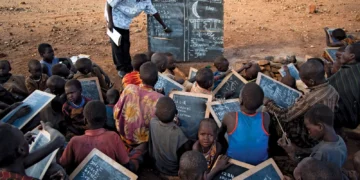



















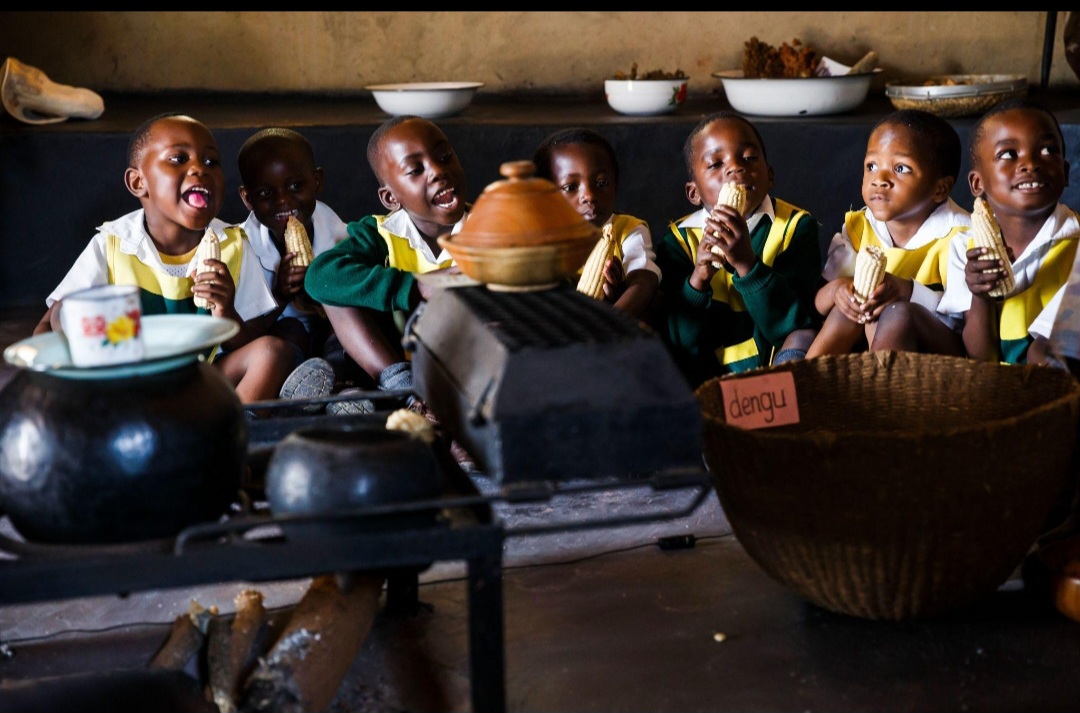


Schools and communities across six Southern African countries are working to integrate traditional knowledge, indigenous languages and cultural practices into classroom learning, as part of efforts to preserve living heritage and make education more relevant to pupils’ experiences.



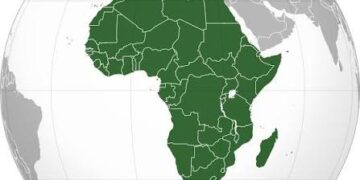
The initiative, supported by the United Nations Educational, Scientific and Cultural Organisation (UNESCO) and its partners, covers Botswana, Eswatini, Malawi, Namibia, Zambia and Zimbabwe.

It aims to help younger generations learn about their cultural heritage while promoting respect for diversity, sustainability and peaceful coexistence.
According to UNESCO, 18 pilot schools in Botswana, Malawi and Zambia are working with elders, cultural practitioners and local communities to incorporate traditional knowledge into lessons.

The activities include traditional crafts, oral traditions, indigenous food systems and environmental practices. The approach allows pupils to connect what they learn in school with knowledge and experiences within their communities.
UNESCO has also supported the establishment of national technical working groups in Botswana, Malawi and Zambia. More than 70 stakeholders participated in developing approaches for incorporating living heritage into formal education.
Recent capacity-building workshops have equipped teachers and education officials with practical tools for integrating cultural heritage into lessons. In Botswana, 85 per cent of participants in a recent workshop reported increased confidence in applying the approaches in schools.
The initiative builds on an earlier phase implemented in Namibia and Zimbabwe with support from the Government of Flanders in Belgium. The current project in Botswana, Malawi and Zambia is supported by the Government of Japan.

UNESCO said the programme was helping strengthen relationships between schools and communities, while encouraging greater appreciation for local languages and traditions.

The organisation added that integrating living heritage into education could help pupils understand their cultural backgrounds and recognise the value of traditional knowledge in addressing contemporary challenges.
The initiative highlights how African education systems can incorporate local knowledge and cultural experiences into formal learning while preparing pupils to engage with wider social and global issues.













 EduTimes Africa, a product of Education Times Africa, is a magazine publication that aims to lend its support to close the yawning gap in Africa's educational development.
