





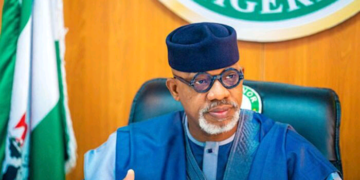

















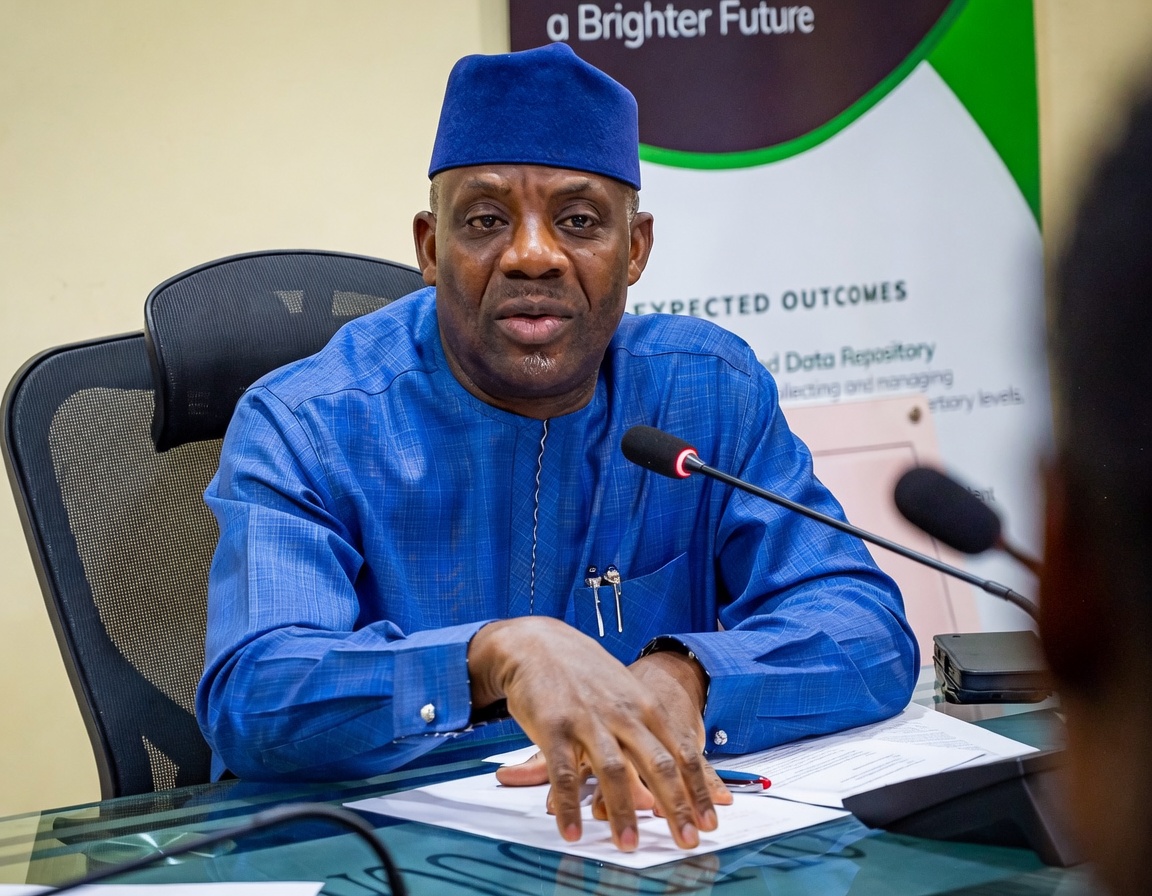


The Federal Government has inaugurated the Governing Board of the National Board for Technical Education (NBTE), reaffirming its commitment to transforming Technical and Vocational Education and Training (TVET) into a major driver of industrialisation, youth empowerment and economic growth.



Speaking during the inauguration in Abuja, the Minister of Education, Dr Maruf Tunji Alausa, said the move marks another milestone in the implementation of President Bola Ahmed Tinubu’s Renewed Hope Agenda, which places education and human capital development at the centre of national development.

According to the Minister, the administration is repositioning the education system to produce highly skilled, innovative and competent graduates capable of driving entrepreneurship, industrialisation and national productivity.
Alausa congratulated the Chairman and members of the newly inaugurated board, describing their appointments as recognition of their professionalism, integrity and commitment to national service.

He expressed confidence that the board would provide the strategic leadership needed to strengthen NBTE’s mandate, deepen reforms in technical education and build a globally competitive workforce.
The Minister stressed that Technical and Vocational Education and Training is no longer an alternative to university education but a strategic national priority.
He noted that Nigeria’s industrial growth depends on producing more technicians, technologists, artisans, automation specialists, fabricators, machine operators and other skilled professionals.

To strengthen the sector, Alausa outlined four key priorities for the board, including providing effective policy direction and oversight, accelerating the implementation of the Recognition of Prior Learning (RPL) framework, modernising curricula to align with Industry 4.0, and ensuring transparency and accountability in the management of public resources.
He also urged the board to work with the Industrial Training Fund (ITF) and other stakeholders to certify the competencies of skilled artisans under the National Skills Qualification Framework, saying the initiative would improve employability, increase access to finance and enhance labour mobility across the ECOWAS region.
On curriculum reform, the Minister called for the adoption of Outcome-Based Education and the integration of emerging technologies such as artificial intelligence, automation, advanced manufacturing systems and green technologies into technical education programmes.
He further encouraged polytechnics to strengthen their focus on science, engineering, technology and innovation while gradually phasing out non-technical programmes that fall outside their statutory mandate.
Responding on behalf of the board, Chairman Professor Babatunde L. Salako thanked President Tinubu and the Minister of Education for the confidence reposed in the members.
He pledged the board’s commitment to supporting the Federal Government’s TVET reforms and expanding opportunities for young Nigerians to acquire relevant technical skills, promote innovation and become entrepreneurs and job creators.

Professor Salako also identified changing the public perception of technical education as a major priority, noting that TVET should be recognised as a respected pathway to employment, entrepreneurship and national development.
The Executive Secretary of NBTE, Professor Idris M. Bugaje, described the inauguration as a landmark development, noting that the board was inaugurated after more than five years without one.
He assured the Minister of NBTE’s commitment to working closely with the Federal Ministry of Education to implement the administration’s technical education reform agenda.
Alausa reaffirmed that the Federal Government would continue to strengthen TVET through improved regulation, expanded access to quality skills training and sustained investments aimed at building a globally competitive workforce.
Source: Federal Ministry of Education Press Release.









 EduTimes Africa, a product of Education Times Africa, is a magazine publication that aims to lend its support to close the yawning gap in Africa's educational development.