























































The Federal Government has allocated N4 billion each to the engineering faculties of six Federal Universities of Technology and six conventional universities across the nation’s six geo-political zones.
The government described the High Impact Intervention Project as a strategic initiative aimed at upgrading laboratories, workshops, and research facilities, as well as positioning institutions as hubs of innovation and practical problem-solving.

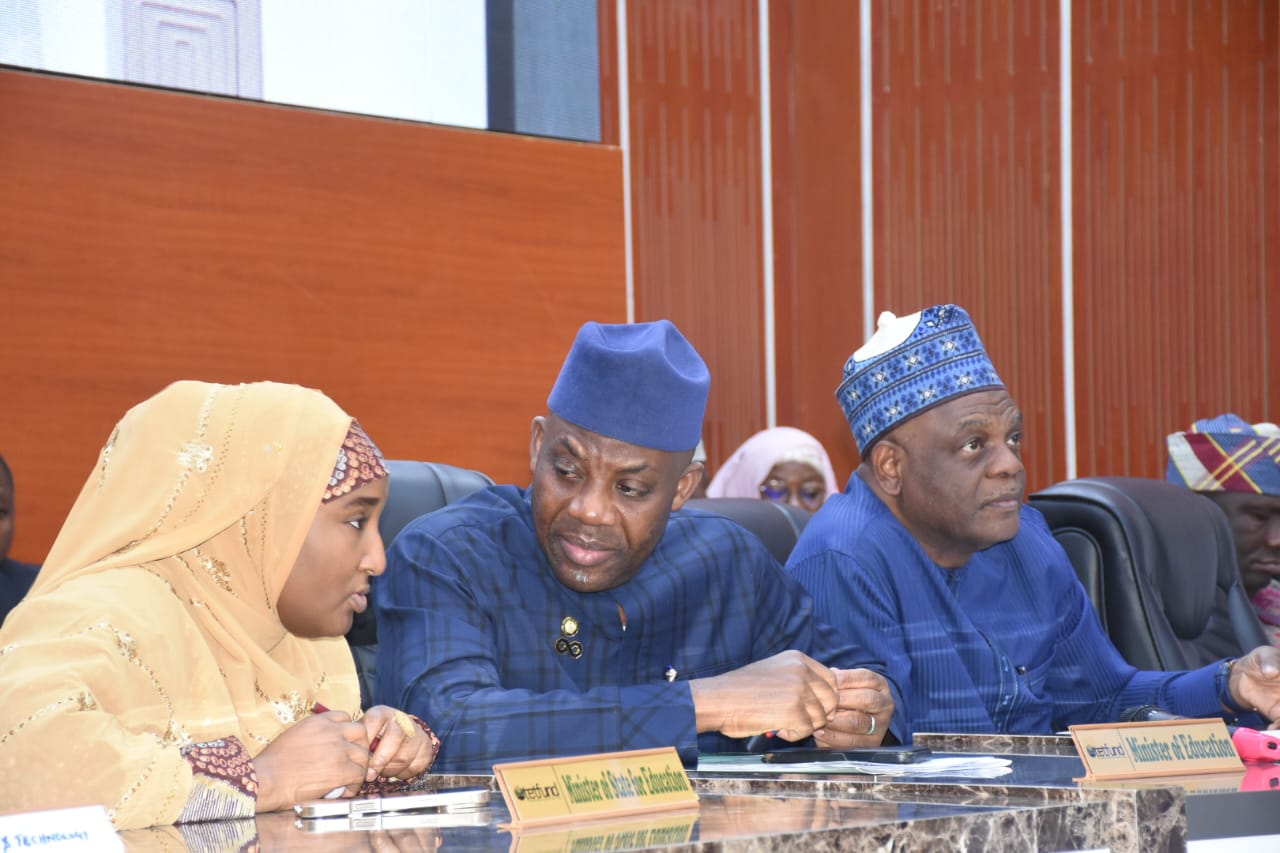
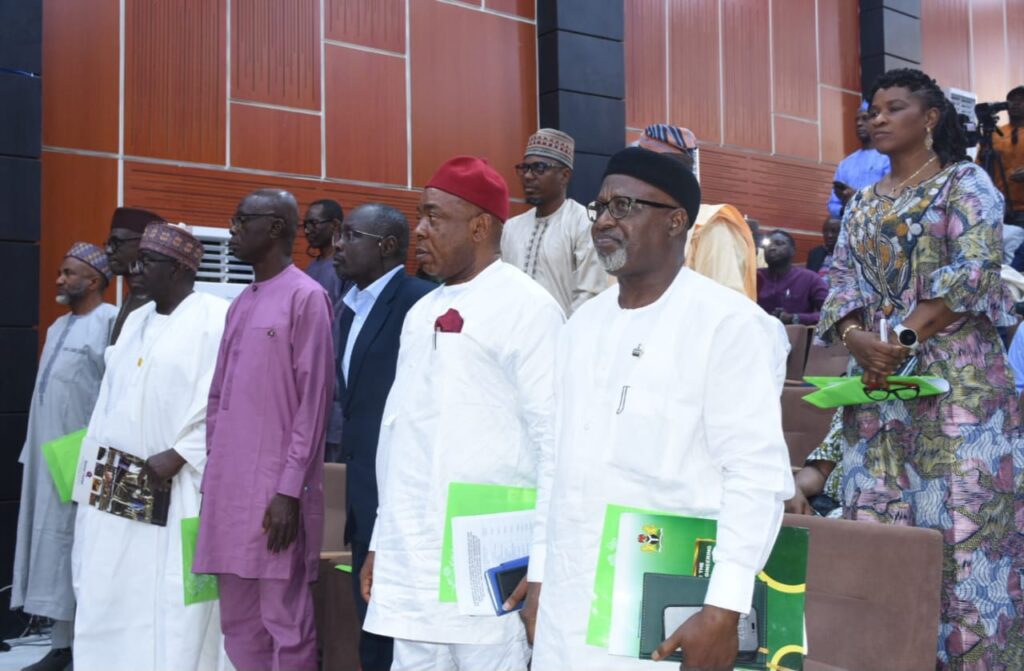
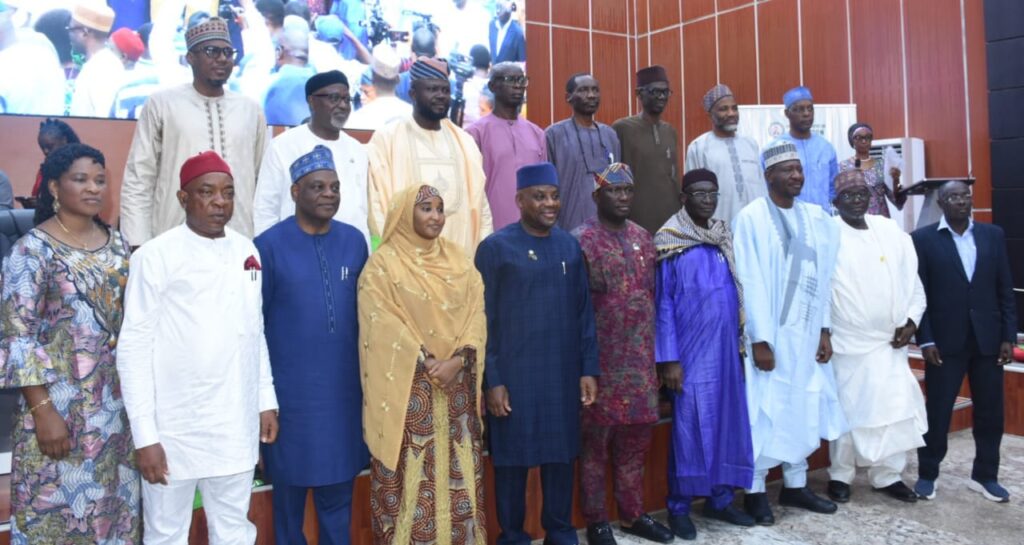
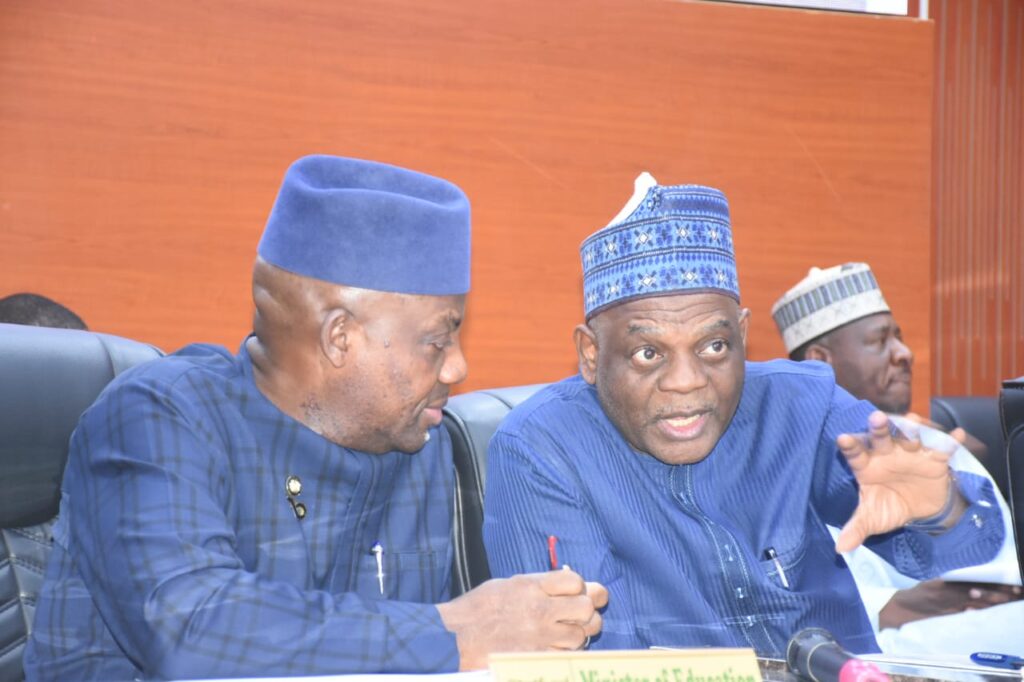
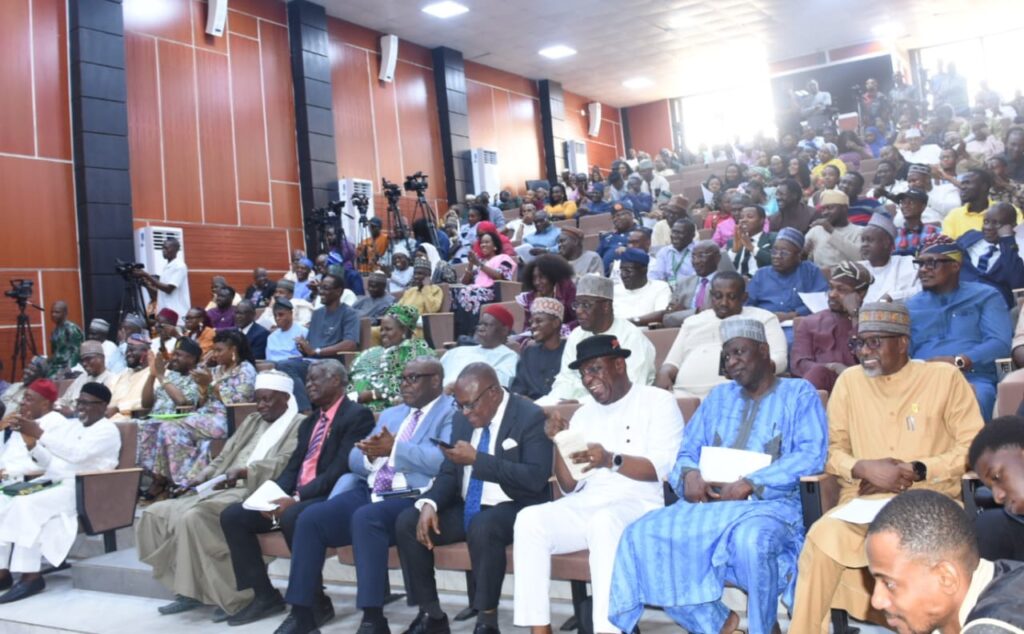
The Minister of Education, Dr. Tunji Alausa, announced this on Monday in Abuja during the inauguration of the Ministerial Monitoring, Evaluation and Implementation Committee on the TETFund High Impact Intervention Project for Engineering and Technology Faculties in Federal Universities of Technology and conventional universities.
Dr. Alausa explained that the N4 billion allocation would be used to rehabilitate existing engineering workshops, construct new facilities where none exist, and procure upgraded equipment for already established workshops.

He further disclosed that universities not captured under the engineering and technology project would benefit from the upgrading of their medical schools, with N4 billion also earmarked for that purpose.
The Minister revealed that more institutions would benefit from the intervention in subsequent phases, noting that the first tranche of funds, once implemented, would address longstanding gaps that have weakened the employability of many graduates.
According to him, “Engineering and technology education are fundamental to Nigeria’s aspirations for industrialisation, innovation, and sustainable economic growth. N4 billion will be given to each beneficiary institution to rehabilitate existing workshops, build new ones where necessary, or procure modern equipment for existing facilities.
“No nation can achieve meaningful development without strong capacity in science, engineering, and technology.”
Inaugurating the committee, which is chaired by the President of the Nigerian Society of Engineers, Engr. Ali Rabiu, the Minister stressed that funding alone does not guarantee results. He said the desired impact would depend on effective implementation, strict adherence to standards, transparency, and accountability.
He stated that the committee’s mandate includes monitoring project execution, ensuring compliance with approved specifications and timelines, evaluating outcomes, identifying challenges, and providing objective reports to guide policy decisions.
Dr. Alausa urged Vice-Chancellors, faculty leadership, consultants, and contractors to cooperate fully with the committee, emphasising that monitoring and evaluation are not obstacles but essential mechanisms for achieving excellence and ensuring that the projects genuinely transform engineering and technology education in Nigeria.
“As we inaugurate this Committee today, we reaffirm our commitment not just to funding education, but to ensuring measurable outcomes that equip our young population with the skills and technological competence required in a rapidly evolving global environment,” he added.
In his acceptance speech, Engr. Rabiu described his appointment as an honour and pledged the committee’s full commitment to the success of the project. He assured stakeholders that engineering and technology education in the country would become more practical and industry-driven.
Beneficiary institutions include the Federal University of Technology, Minna, Federal University of Technology, Owerri, Federal University of Technology, Akure, Nigerian Army University, Federal University of Technology, Babura, and Federal University of Technology, Ikot Abasi, among others.













 EduTimes Africa, a product of Education Times Africa, is a magazine publication that aims to lend its support to close the yawning gap in Africa's educational development.