




















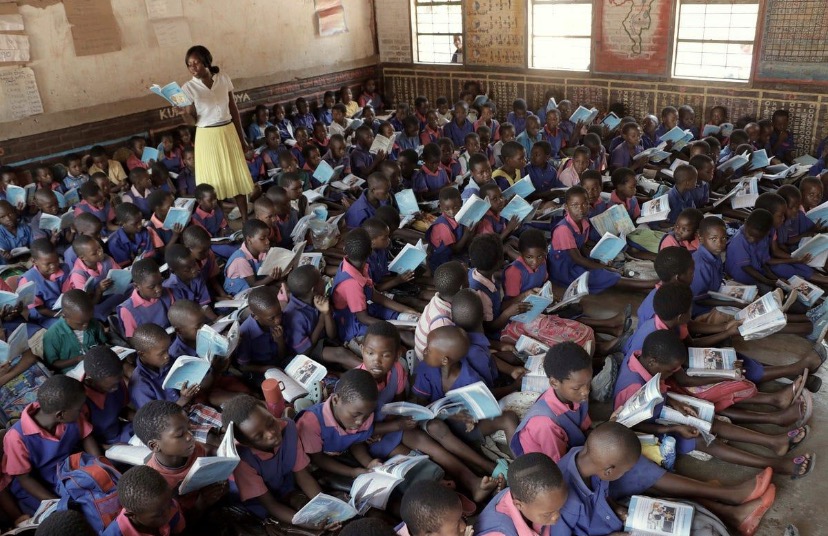


Rising temperatures are disrupting teaching and learning in several Nigerian states, with pupils battling exhaustion, illnesses and difficulty concentrating in poorly ventilated classrooms, a report by Saturday PUNCH has revealed.

The findings, published on Saturday, November 28, 2026, covered Gombe, Nasarawa, Jigawa, Ekiti, Ondo, Benue, Osun, Edo and Ogun states, where pupils and teachers are struggling with uncomfortable classroom conditions, inadequate ventilation and unreliable electricity.
According to the report, some pupils have resorted to sitting under trees to escape the heat, while schools have adopted different measures, including moving lessons outdoors, adjusting school schedules and encouraging children to drink water regularly.

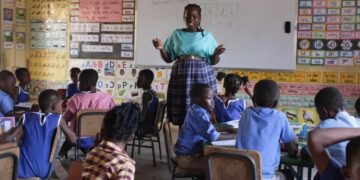
The situation is particularly challenging in schools without adequate ventilation and cooling facilities, where teachers say rising temperatures are affecting pupils’ participation, concentration and ability to follow lessons.
In Gombe State, the Principal of Gombe Special Education Centre, Ahmad Lawal, disclosed that about 50 pupils had been treated for fever-like illnesses during the hot season. He said most of the affected children were young pupils, some of whom had allergies.
Lawal explained that the school had provided fans in students’ rooms and maintained adequate ventilation in its buildings to reduce the impact of the heat.
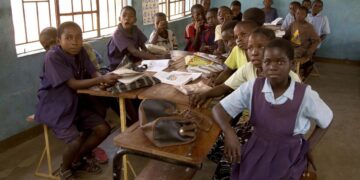
In Ogun State, teachers described classroom conditions as increasingly uncomfortable, particularly during afternoon lessons. A teacher in the Ijebu area said pupils were becoming tired, distracted and less active because of excessive heat.
The teacher added that some pupils and staff had complained of headaches, dizziness, weakness and excessive sweating, with inadequate ventilation and the absence of fans worsening the situation.
The Secretary of the Nigeria Union of Teachers in Ogun State, Samson Oyelere, identified poor classroom designs, overcrowding and inadequate ventilation as major factors contributing to the problem.
He explained that many classrooms had low roofs covered with galvanised iron sheets, small or obstructed windows and, in some cases, no ceilings, making it difficult for heat to escape.
According to him, classroom conditions become particularly uncomfortable between 11am and 2pm, when accumulated heat makes teaching and learning difficult.

Oyelere also disclosed that teachers had reported reduced concentration among pupils after 30 to 45 minutes of lessons, declining classroom participation, slower comprehension and increased absenteeism on particularly hot days.
He called on governments to provide free clean drinking water for pupils and teachers, improve classroom ventilation, plant trees around school premises and construct additional classrooms to reduce overcrowding.
Similarly, the Chairman of the Academic Staff Union of Secondary Schools in Ogun State, Felix Agbesanwa, urged the government to address poor ventilation, overcrowding and the absence of ceiling fans in schools.
In Ekiti State, a secondary school principal in Ado Ekiti said pupils frequently complained of headaches and struggled to concentrate during lessons. Some reportedly carried handkerchiefs to wipe away sweat and sought refuge under trees during break periods.
The Chairman of the Nigeria Union of Teachers in Ekiti State, Lawrence Egbeyemi, said the situation was affecting both pupils and teachers, particularly in schools relying on natural ventilation and experiencing power outages.
He called for the provision of ceiling fans, solar-powered fans, improved electricity supply and trees around school premises.
Meanwhile, some schools in Jigawa State have adjusted their lesson schedules and break periods to reduce pupils’ exposure to intense afternoon heat.
A school proprietor, Aliyu DMagaji, said his school had adopted earlier lesson periods when temperatures were cooler and reduced activities during the afternoon.
The state’s Parent-Teacher Association Chairman, Muhammad Aminu, also advised school managements to provide more fans and clean drinking water for pupils.
In Benue State, a teacher in a private nursery and primary school in Makurdi, Dennis Abba, said inadequate classroom space was affecting ventilation, sometimes forcing teachers to take pupils outdoors when the heat became unbearable.

Schools in Osun and Edo states have also introduced measures such as encouraging pupils to drink water regularly, use shaded areas and take short breaks when classroom temperatures become uncomfortable.
In Ondo State, the government directed school authorities to ensure adequate cross-ventilation, make clean drinking water available and limit outdoor activities during periods of intense sunlight.
The report also highlighted concerns raised by medical experts about the health implications of prolonged exposure to extreme temperatures, particularly among young children.
A consultant paediatrician, Dr Ayodele Savage, warned that excessive heat could increase water loss in children and lead to heatstroke, a potentially life-threatening condition.
He explained that severe complications could result in loss of consciousness, convulsions and electrolyte imbalance, particularly among children under five who depend on adults for adequate hydration.
Savage advised parents and schools to keep children cool, provide drinking water regularly and consider rechargeable fans where necessary. He also recommended fruits such as watermelon as part of efforts to maintain hydration.
A consultant public health physician, Dr Yetunde Odusote, similarly warned that prolonged exposure to extreme heat could cause dehydration, heat exhaustion, heatstroke, cardiovascular strain and kidney complications.
She advised that anyone experiencing confusion, collapse or altered consciousness should receive emergency medical attention.
The World Health Organisation and the United Nations Children’s Fund have also warned about the potentially fatal consequences of extreme heat exposure, particularly for children.
The growing concerns have renewed calls for governments and school administrators to invest in safer and more conducive learning environments, including improved classroom designs, adequate ventilation, reliable electricity, access to clean drinking water and shaded spaces.
Education stakeholders say addressing these challenges is essential to protecting pupils’ health and ensuring that environmental conditions do not become another barrier to effective teaching and learning.












 EduTimes Africa, a product of Education Times Africa, is a magazine publication that aims to lend its support to close the yawning gap in Africa's educational development.