

























Staying in school is about more than simply having a place to move from junior to senior secondary school. For many Nigerian children, the bigger challenge is having the support to keep learning along the way.



The Federal Government’s plan to phase out the separation between Junior Secondary School (JSS) and Senior Secondary School (SSS) could make that transition easier. But education experts say much more needs to happen to keep children learning.

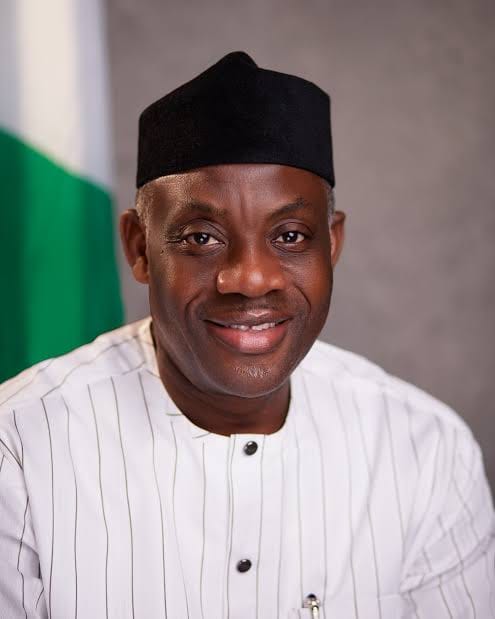
Education Minister, Dr Tunji Alausa, has acknowledged the gap in Nigeria’s school system, where about 80,000 public primary schools serve pupils compared with only about 15,000 junior secondary schools.
The concern is that many children struggle to make the next step into secondary education.

Molade Adeniyi, CEO of Teach for Nigeria, believes removing the administrative barrier is a good move, but it may not solve the deeper reasons children leave school.

One major concern is foundational learning.
National data show that fewer than three in 10 Nigerian pupils meet minimum literacy or numeracy standards by Primary 3. UNICEF also estimates that about seven in 10 primary-age children cannot read with understanding or solve simple arithmetic.
This means a child who struggles to read in primary school may continue struggling years later, regardless of how the school system is structured.
The problem is also uneven across the country. Literacy levels in some northern states are in the single digits, while some parts of the South record rates above half.
Another major issue is the teacher shortage.
UBEC data indicate that Nigeria is short of almost 200,000 primary school teachers, while the national pupil-teacher ratio is around 1:35, higher than UNESCO’s benchmark of 1:25.
There is also a quality challenge, with close to one-third of basic education teachers reportedly not meeting minimum qualification standards.
For Adeniyi, simply employing more teachers will not be enough. Teachers also need proper training and support to help children who struggle with basic reading and numeracy.
The JSS-SSS reform, therefore, may be a positive step, but it needs to go hand in hand with stronger foundational learning and better teacher development.

The government’s effort to make idle Smart Schools and Bilingual Schools operational is also a welcome development.
Molade Adeniyi is the CEO of Teach for Nigeria.













 EduTimes Africa, a product of Education Times Africa, is a magazine publication that aims to lend its support to close the yawning gap in Africa's educational development.