

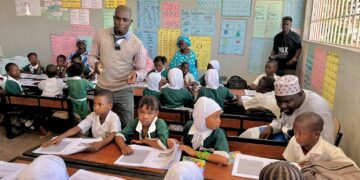














































A growing number of parents across parts of Lagos State are withdrawing their children from public schools in favour of private institutions, citing concerns over teaching quality, discipline, and learning outcomes.
Findings from interviews conducted across Ikotun, Oshodi, Berger, and Ketu indicate a steady shift toward private education despite rising tuition costs and economic pressures.
Many parents interviewed described private schools as more structured and effective in delivering academic results.
“Everybody knows private is better in terms of efficiency, teachers, and the environment,” said Mrs Abimbola.

Others said their decisions were influenced by poor academic performance in public schools.
“My daughter could not read in Primary 6, but after moving to a private school, she improved. It is expensive, but they get the job done,” said Mrs Awolola.
For some parents, the commitment of teachers in private schools was a key factor in their preference. Mr Sunday Farayola noted that private institutions tend to put more effort into ensuring student success.
Discipline also emerged as a recurring concern among respondents. Mrs Idera said she opted for private schooling due to stricter behavioural standards.
“Private school students are more disciplined,” she said.
Beyond academic concerns, some parents raised broader issues of trust in the public education system. Mr Idonnije expressed doubts about the system’s ability to secure children’s future prospects, while Mr Chris questioned whether children of political leaders attend public schools.
The findings reflect a wider trend in urban Lagos, where confidence in public education continues to decline, even as private schooling becomes increasingly expensive for many households.
Despite cost challenges, many parents say they are prioritising perceived quality and better learning outcomes in their choice of schools.










 EduTimes Africa, a product of Education Times Africa, is a magazine publication that aims to lend its support to close the yawning gap in Africa's educational development.