























The Universal Basic Education Commission (UBEC) has said the $552.18 million World Bank-backed education programme is targeting 29 million children across Nigeria as part of efforts to improve access to quality basic education and strengthen learning outcomes.


The Human Capital Opportunities for Prosperity and Equity for Quality Basic Education for All (HOPE-EDU) programme also targets 500,000 teachers, 65,000 public schools and 10,000 non-formal learning centres nationwide.

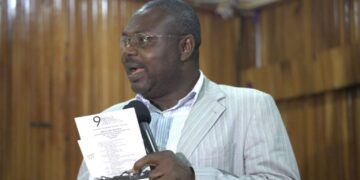
UBEC Executive Secretary, Dr Aisha Garba, disclosed the programme’s targets during a two-day meeting with chairmen of State Universal Basic Education Boards (SUBEBs) in Abuja. The meeting focused on preparing states for the implementation of the initiative.
According to UBEC, the programme also plans to support the construction of 13,000 new classrooms as part of broader efforts to expand access to education and improve the quality of learning environments.

Garba called on state governments to demonstrate the political will and provide the financial commitment required to achieve the programme’s objectives.
She said HOPE-EDU became effective on February 27, 2026, and had entered its implementation phase, making coordination between federal and state education authorities important to its delivery.

The programme is expected to support improvements in basic education through better access, stronger service delivery and interventions targeting children, teachers and learning institutions.

However, achieving these targets will require effective implementation, accountability and sustained cooperation among the federal government, state governments and education agencies.
For Nigeria, where access to quality basic education remains a major policy concern, the programme’s impact will depend on how effectively its planned investments translate into improved classroom conditions, better teaching and stronger learning outcomes for children.










 EduTimes Africa, a product of Education Times Africa, is a magazine publication that aims to lend its support to close the yawning gap in Africa's educational development.