


























A university education is supposed to be more than lectures, assignments and examinations.



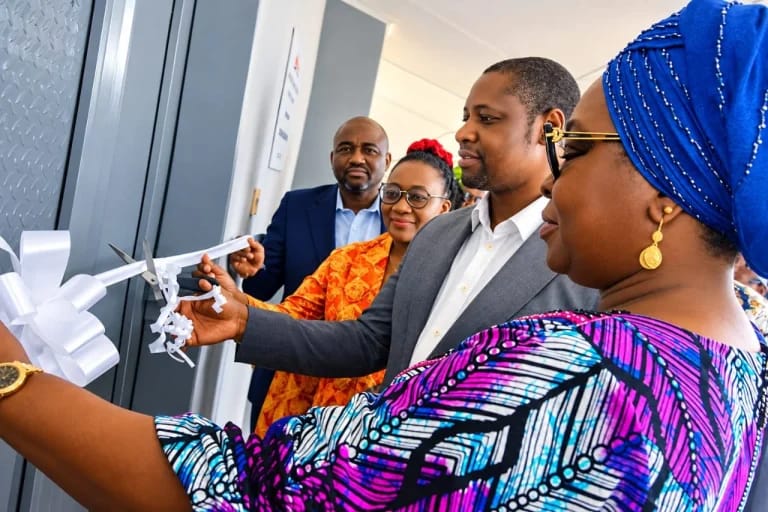
That reality was recently highlighted at the Lagos State University of Education (LASUED), where a Chemistry laboratory received an upgrade through a corporate intervention by Vitafoam Nigeria Plc.

The refurbished laboratory at the university’s Ijanikin campus is expected to provide students with a more conducive environment for practical learning, experimentation and scientific inquiry.

Beyond the renovation itself, the intervention raises an important question for students and educators: what difference does access to better learning infrastructure actually make?

1. Practical Learning Builds Real Understanding
Science is not just about memorising formulas, concepts and definitions.
Students often gain a deeper understanding of what they learn when they can conduct experiments, observe outcomes and test ideas for themselves.
A functional laboratory helps bridge the gap between what is taught in class and how those concepts work in practice.
2. Better Facilities Can Improve Student Confidence
Many students encounter specialised scientific equipment for the first time at university.
Access to better-equipped laboratories allows them to become familiar with equipment, research methods and experimental procedures. Over time, this can build confidence and prepare students for further studies, internships and professional opportunities.
3. Employers Need More Than Certificates
A degree is important, but practical competence also matters.
Students who regularly engage in experiments and practical projects have opportunities to develop problem-solving skills and learn how to apply classroom knowledge to real situations.
That experience can become valuable when they begin applying for jobs or internships after graduation.
4. Strong Science Education Supports National Development
Science-based skills are important across sectors such as healthcare, agriculture, manufacturing, technology and energy.
When universities provide students with quality learning environments, they contribute to developing graduates who can apply scientific knowledge to real-world problems.
5. Partnerships Can Help Close Infrastructure Gaps
Improving higher education infrastructure cannot always be left to universities alone.

The LASUED laboratory project shows how partnerships between educational institutions and private organisations can provide additional resources for students and lecturers.
At the handover ceremony, Vitafoam’s Group Managing Director, Taiwo Adeniyi, said the company’s interest in supporting Chemistry education was linked to the importance of the discipline to its operations and to developing future talent.
LASUED Vice-Chancellor, Prof. Bidemi Lafiaji-Okuneye, also appreciated the intervention and called for the facility to be properly maintained, while encouraging other corporate organisations to support the university.
Modern laboratories are therefore more than rooms filled with equipment. They are spaces where students develop curiosity, critical thinking, problem-solving abilities and practical skills.
As Nigerian universities continue to look for ways to improve learning, interventions that strengthen laboratories and other practical-learning facilities can help students move beyond theory and gain experiences that prepare them for life and work after graduation














 EduTimes Africa, a product of Education Times Africa, is a magazine publication that aims to lend its support to close the yawning gap in Africa's educational development.