

















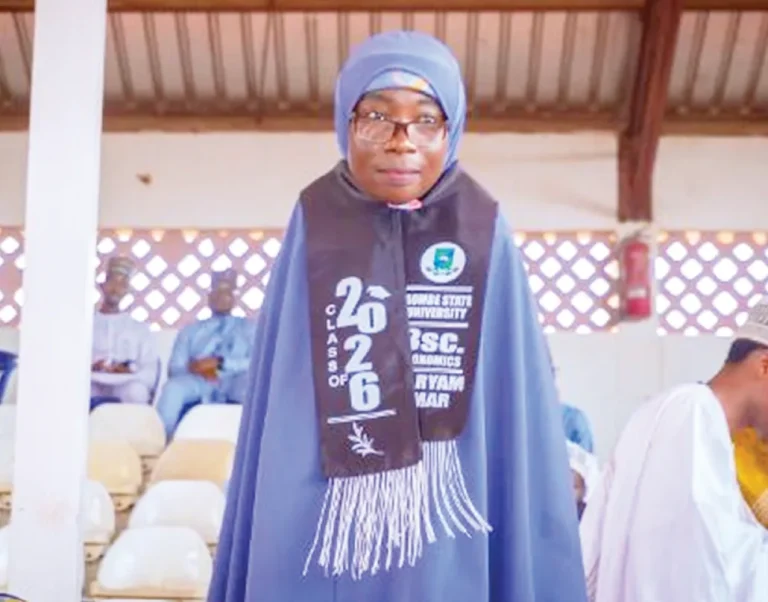


When Maryam Umar gained admission to study Economics at Gombe State University, the challenge was never her determination.
Born without both arms, she had already learned how to write and carry out daily activities using her toes. What nearly stopped her university dream was a lack of financial support.

Years later, Maryam has successfully graduated after receiving assistance that helped her complete her studies.
Her story is a reminder that students living with disabilities often do not need pity. What they need is support, inclusion and opportunities.

Here are five ways students, lecturers and institutions can help.
1. Treat Them With Respect, Not Sympathy
Many students living with disabilities want to be seen first as students, not as their condition.
Respecting their abilities, opinions and ambitions can go a long way in creating a more inclusive learning environment.
2. Offer Help, But Don’t Assume They Need It
Helping a classmate carry materials, locate a lecture venue or access information can be useful.
However, it is always better to ask before stepping in. Every student has different needs and levels of independence.
3. Share Academic Information
A missed announcement, timetable change or class update can create additional challenges for some students.
Sharing important information and including everyone in academic discussions helps ensure that no one is left behind.
4. Support Accessibility Efforts
Students can advocate for more accessible classrooms, walkways, learning materials and facilities.
Small improvements can make a significant difference to students living with disabilities.
5. Encourage Their Dreams
One of the biggest barriers many students face is not physical but societal.
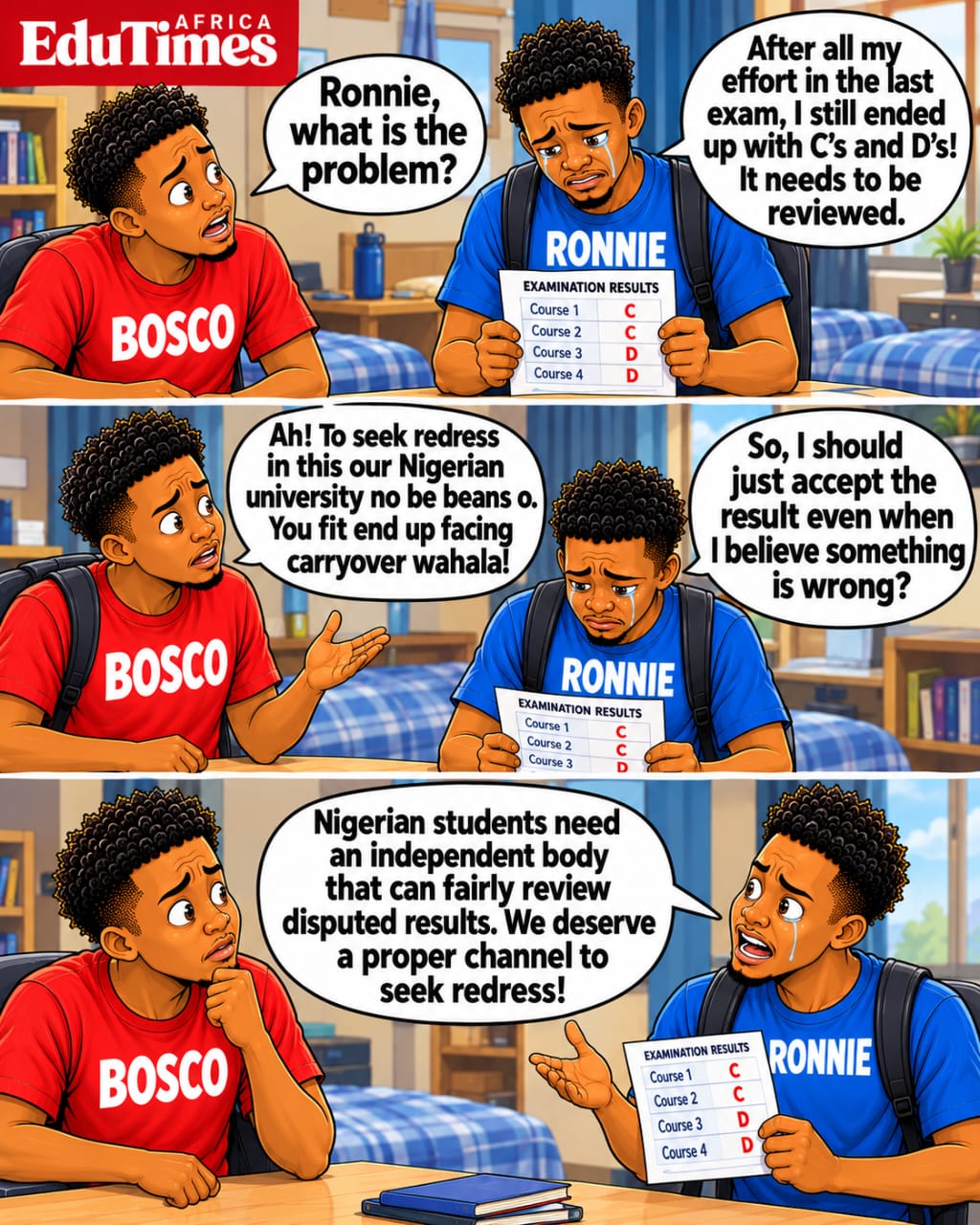
Encouragement, inclusion and belief in their abilities can help create an environment where students feel empowered to pursue their goals.
Beyond the Classroom

Maryam Umar’s graduation is more than a personal achievement. It is also a reminder of what can happen when determination meets support.
Across Nigerian campuses, there are students living with different disabilities who are working hard to achieve their academic goals.
Sometimes, the difference between giving up and succeeding is not talent or intelligence. It is simply having people and institutions willing to support them along the way.










 EduTimes Africa, a product of Education Times Africa, is a magazine publication that aims to lend its support to close the yawning gap in Africa's educational development.