



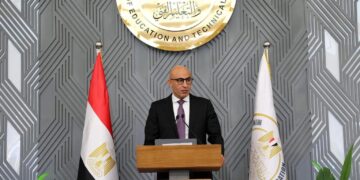




















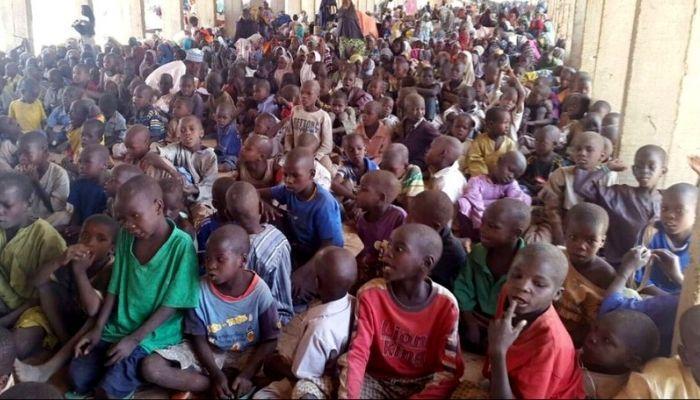


A recent warning from Nigeria’s Human Capital Development (HCD) Programme has reignited concerns about learning outcomes in the country after officials revealed that about 70 per cent of Nigerian children under the age of 10 cannot read and understand a simple sentence.
The figure, cited by the programme’s National Coordinator, Rukaiya el-Rufai, points to a challenge that goes beyond school enrollment. According to her, many children are attending school but are not acquiring the literacy and numeracy skills needed for further learning and future employment.

While education experts continue to debate solutions, here are some of the factors highlighted directly or indirectly by the programme’s comments.
1. Being in School Does Not Always Mean Learning

One of the strongest points raised by el-Rufai is that physical attendance alone is not enough.
According to her, many children are enrolled in school, but the learning taking place is not sufficient to build strong reading and numeracy skills.
2. Weak Foundation Skills in Early Education
The Human Capital Development Programme identified learning poverty as a major concern because foundational literacy and numeracy are essential for future learning.
When children struggle to master basic reading skills early, they often face difficulties in other subjects as they progress through school.
3. Poor Numeracy and English Proficiency
El-Rufai noted that learning challenges extend beyond reading alone.
She said many children also struggle with basic numeracy and English skills, limiting their ability to perform well academically and acquire more advanced knowledge later in life.
4. Skills Gaps Affect Future Training Opportunities
According to el-Rufai, weaknesses in foundational education can make it difficult for young people to develop specialised technical skills.
Using the example of the Dangote Refinery, she explained that certain technical jobs require knowledge of concepts such as geometry, making strong basic education an important starting point for workforce development.

5. Learning Challenges Differ Across States
The programme noted that education outcomes vary significantly across Nigeria.
El-Rufai said some states face challenges that differ from others, which is why the programme is encouraging states to develop plans that reflect their specific realities rather than relying solely on a uniform national approach.
6. Out-of-School Children Remain a Major Concern
Learning poverty is only one of the indicators being tracked by the Human Capital Development Programme.
The initiative also focuses on reducing the number of out-of-school children, recognising that children who are not in classrooms at all face even greater risks of missing out on foundational learning.
7. Education Challenges Affect Employment Prospects
The programme argues that poor learning outcomes eventually affect the labour market.
According to el-Rufai, young people may find it harder to access productive employment if they leave school without the literacy, numeracy and practical skills required by modern industries.
The Human Capital Development Programme considers learning poverty one of Nigeria’s most pressing development challenges because it affects education, skills development, employment and economic growth.














 EduTimes Africa, a product of Education Times Africa, is a magazine publication that aims to lend its support to close the yawning gap in Africa's educational development.