












































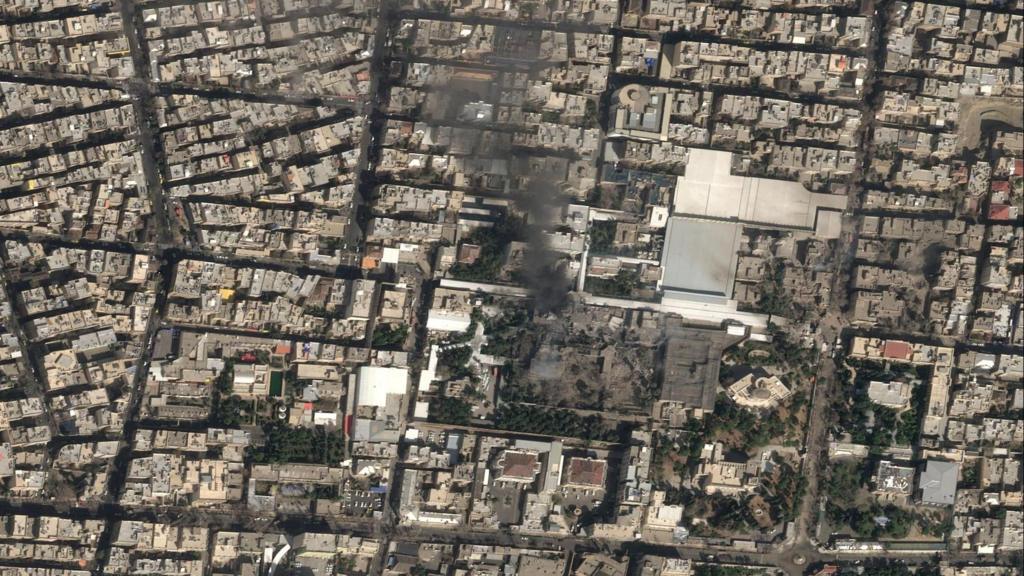


Iran’s state media has announced that the country’s Supreme Leader, Ayatollah Ali Khamenei, has been killed during coordinated air strikes carried out by the United States and Israel.



For many people trying to follow the fast-moving events, here is a clear breakdown of what is happening.

Who Is the Supreme Leader- and Why Is This Significant?
In Iran, the Supreme Leader is the highest authority in the country. He has control over:

The military
The judiciary
Key political decisions
The Islamic Revolutionary Guard Corps (IRGC)
If confirmed, Khamenei’s death would mark a major turning point in Iran’s political structure and could trigger a leadership transition overseen by the Assembly of Experts, a powerful clerical body responsible for appointing a successor.
What Triggered the Current Strikes?
According to US and Israeli officials, the air strikes targeted Iranian military infrastructure, missile systems and senior officials.
US President Donald J. Trump said the operation was deliberate and warned that military action would continue.
Israel says it has struck more than 30 targets across Iran, including missile launchers, air defence systems and command centres.
What Has Iran Said?
Iran’s state media confirmed the Supreme Leader’s death and announced 40 days of mourning.
The Islamic Revolutionary Guard Corps (IRGC) has vowed strong retaliation, promising what it described as a “devastating offensive operation” against US bases and Israel.
Iran has reportedly launched retaliatory strikes in:
Dubai
Doha

Bahrain
Kuwait
These locations host US military bases or are allied with Washington.
How Many People Have Been Affected?
Reports indicate significant casualties:
Iran’s Red Crescent says more than 200 people have been killed nationwide.
Iranian authorities say at least 108 people died when strikes hit a girls’ school.
A Washington-based rights group reports over 130 civilian deaths and about 200 injuries.
US media sources say around 40 Iranian officials were killed in the initial raids.
Explosions have continued in Tehran, Iran’s capital, as new waves of strikes are reported.
Is This a War?
The United States has announced “major combat operations” in Iran. However, under US law, a formal declaration of war requires congressional approval.
The situation is rapidly escalating, with regional powers on alert. The United Nations has warned that the conflict threatens peace and stability in the Middle East.
What Could Happen Next?
Several possibilities exist:
1. Iran appoints a new Supreme Leader quickly to maintain internal stability.

2. Retaliatory strikes intensify across the region.
3. The conflict expands, drawing in more countries.
4. Diplomatic pressure leads to ceasefire negotiations.
At this stage, events are still unfolding, and information continues to emerge.
Why Should the World Pay Attention?
The Middle East plays a critical role in global oil supply and international security. Escalation could affect:
Oil prices
Global markets
International travel and trade
Diplomatic relations worldwide
This is not just a regional issue; it has global consequences.
EduTimes Africa will continue to provide verified updates and context to help readers understand developments as they unfold.














 EduTimes Africa, a product of Education Times Africa, is a magazine publication that aims to lend its support to close the yawning gap in Africa's educational development.