















































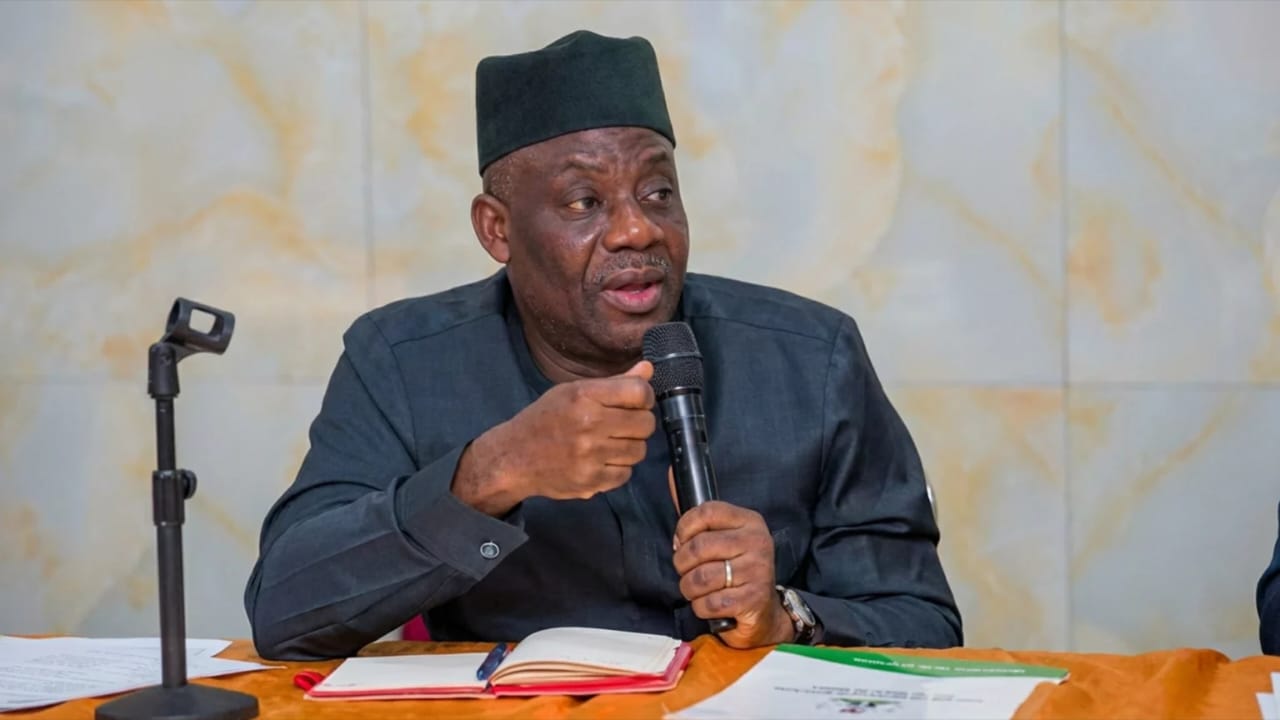


Nigeria has declared renewed momentum in tackling one of Africa’s most persistent education challenges, as the Minister of Education, Dr. Tunji Alausa, said the country is now better positioned to decisively confront the Almajiri and out-of-school children crisis.


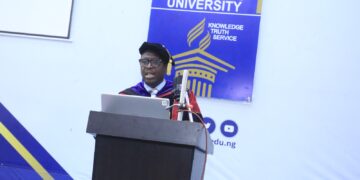
Alausa made the assertion on Sunday while supporting a peer-learning webinar organised by the Committee of States Commissioners of Education in Nigeria (COSCEN), describing stronger federal–state collaboration as central to delivering sustainable reform.


“Reducing out-of-school children requires shared accountability, harmonised implementation frameworks, and evidence-based planning across all tiers of government,” he said.
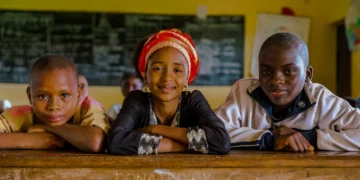
Nigeria accounts for one of the highest numbers of out-of-school children globally, particularly in northern states where the Almajiri system—originally rooted in Islamic education—has evolved into a structure often associated with street begging and child vulnerability due to weak regulation and limited integration into formal schooling.

The minister attributed the improved outlook to the establishment of the National Commission for Almajiri and Out-of-School Children Education, describing it as a strategic institutional response to a decades-long national challenge.
He noted that the Executive Secretary of the commission, Dr. Muhammad Idris, rose from an Almajiri background to earn a PhD and previously served as Commissioner for Education in Yobe State, bringing both lived experience and administrative expertise to the role.
“Today, on the issue of Almajiri and out-of-school children, the work starts in the states, and I am happy with the renewed interest we are seeing in each of our states in putting strategies together to tackle the burden,” Alausa said.
“The country is better positioned to manage and aggressively tackle this problem once and for all in a very strategic, futuristic and sustainable manner.”
He commended COSCEN’s structured reform engagements under its Chairman, Dr. Lawal Olohungbebe, describing institutionalised peer learning as critical to strengthening policy coherence and accelerating measurable progress in access and equity nationwide.

Olohungbebe, who also serves as Kwara State Commissioner for Education, said the initiative marks a shift from consultation to results-driven coordination anchored on data, peer accountability and policy harmonisation.
“This platform moves us beyond discussions to structured solution sharing that aligns state innovations with federal frameworks, ensuring our complementary mandates deliver measurable outcomes for children,” he said.
The committee’s maiden webinar spotlighted reforms in Gombe State under the theme, “Gombe Strategy in Addressing Out-of-School Children: Innovative models, measurable results and scalable options.”
Gombe State Commissioner for Education, Aishatu Umar Maigari, presented data-driven interventions credited with improved enrolment outcomes and models adaptable across Nigeria’s diverse education systems.
Education stakeholders maintain that sustained funding, accurate data tracking, community engagement and curriculum integration remain essential to resolving the out-of-school crisis, which continues to be linked to poverty, insecurity and youth unemployment across parts of Africa.














 EduTimes Africa, a product of Education Times Africa, is a magazine publication that aims to lend its support to close the yawning gap in Africa's educational development.