
















“The most valuable skill you will ever develop is the ability to teach yourself anything”
For generations, African students have been told the same story: go to school, pass your exams, get a certificate, and life will reward you. It is a promise that families sacrificed for, that teachers repeated, and that students believed with
everything they had. But every year, thousands of graduates step out of classrooms across Lagos, Nairobi, Accra, and Kampala, clutching their results, and discover that the world outside does not work the way school said it would.

The problem runs deep. Most African curricula were designed to produce obedient workers for a post-colonial economy that no longer exists. Students are trained to memorize, reproduce, and comply. Follow the syllabus. Answer the question as it appears in the textbook. Do not deviate. These habits are rewarded with marks, but they rarely prepare anyone for the messy, unpredictable nature of real life.
Think about the student who tops their class in accounting but cannot balance a personal budget. Or the one who writes flawless essays but freezes when asked to speak up in a meeting or negotiate a salary. These are not isolated cases. They are the natural result of a system that measures knowledge but never tests wisdom.
Real life does not come with a syllabus. Nobody tells you how to handle a toxic boss, recover from a failed business, or choose between two uncertain paths. The skills that actually determine how far you go, critical thinking, financial literacy, emotional resilience, the ability to learn on your own, are rarely taught in the average African classroom. And yet, we wonder why so many bright young people feel stuck.

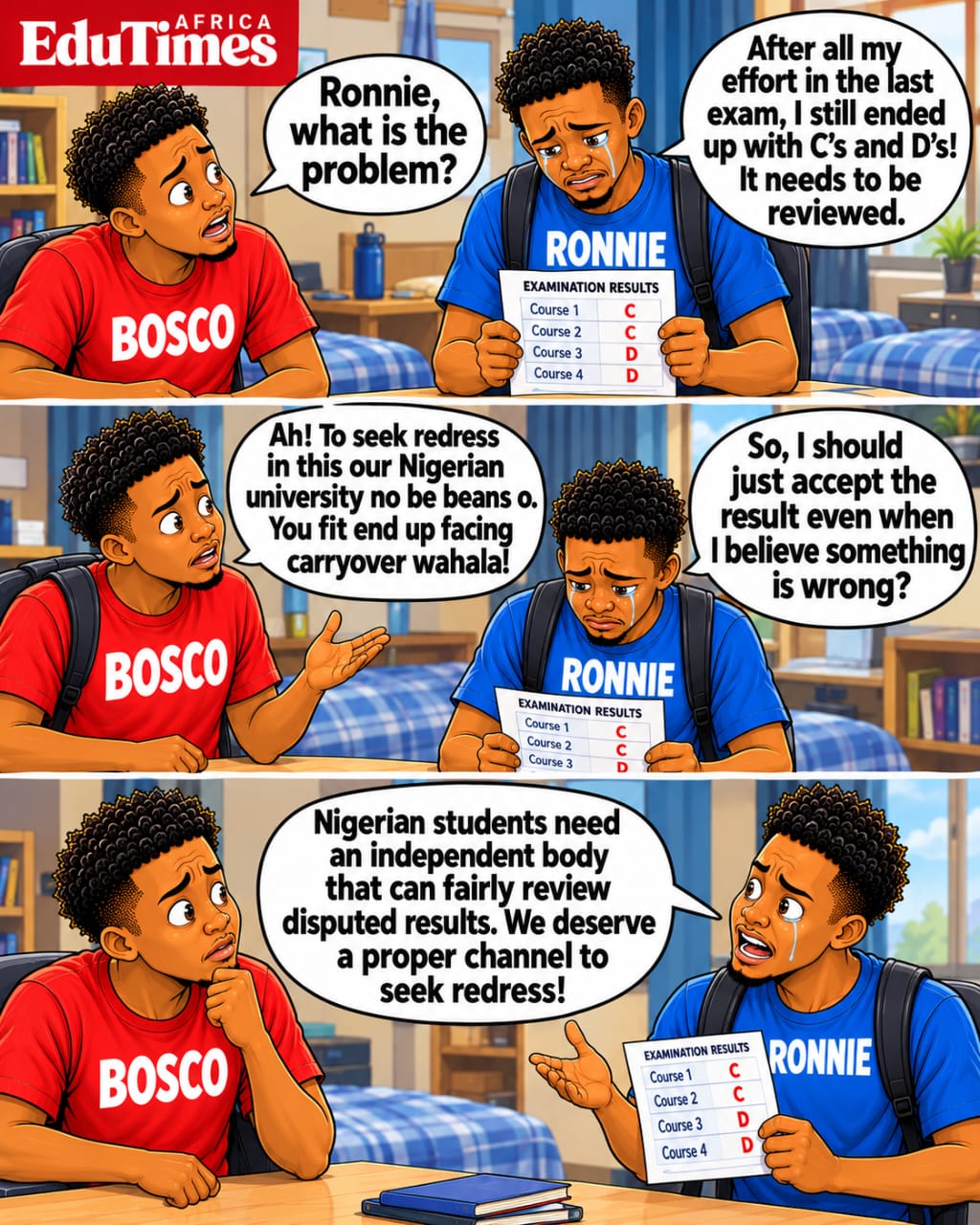
The honest truth is that school is only the beginning. The moment you leave, a different kind of education starts, one that nobody formally enrolls you in. You either figure it out, or you don’t. The transition can feel like a betrayal, especially for those who played by all the rules and still found themselves lost.
But that gap is not the end of your story. It is, in many ways, where your real story begins.
Some of the most successful people in the world were not exceptional students, they were exceptional learners. They developed the habit of teaching themselves. Elon Musk walked into rocket science through textbooks and conversations, not a formal degree in aerospace. Oprah Winfrey built a global empire not on her grades, but on her ability to connect with people and communicate with honesty. What they shared was not a perfect transcript, it was the drive to keep growing after the classroom was done.
That same drive is available to every young person on this continent. Learning to communicate clearly, think independently, handle money wisely, and adapt when plans fall apart, these are not gifts you are born with. They are skills you build, deliberately, over time. And they matter far more than any grade point average ever will.
None of this is an argument against education. School matters. Teachers matter. But a certificate should be a starting point, not a finish line. Real growth happens when you take what school gave you and build on it, through experience, through failure, through honest self-examination. The most dangerous thing a young graduate can believe is that learning is over.
Here is the good news: change is coming. Across much of Africa, curricula are being overhauled. Governments, educators, and communities are beginning to recognise what has long been missing, practical skills, critical thinking, entrepreneurship, and education that actually reflects the world students will enter. It is not perfect yet, and it will not happen overnight. But the direction has changed. Better days are ahead, and the generation coming up behind you may inherit a very different classroom from the one that shaped you. That is worth holding on to.
___________________
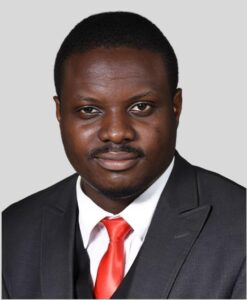
Oluwatosin Osemeobo is an educator, writer, speaker, and School Sustainability Strategist with decades of experience at the intersection of education, Sustainability, leadership, and human development. An AFS Global Up–certified educator with deep expertise in intercultural learning and global competence, he operates at the intersection of future skills and sustainable development, empowering schools and educators to move beyond intention and achieve lasting impact.
His academic foundation includes a Bachelor of Education from Obafemi Awolowo University, advanced certifications from the Open University (UK) and the University of Cambridge, and specialized training through the UN Climate Change platform, covering inclusive leadership, the SDGs, trade and rights frameworks, and the UN Convention on the Rights of the Child.
As a Transformational Thought Leader and coach, Tosin has worked with teachers and professionals across multiple countries, equipping them to lead with clarity, adaptability, and purpose. His approach blends practical strategy with deep insight into how people and institutions actually change.
As a writer, he explores the ideas he is most invested in: sustainability, education reform, teacher wellbeing, global competence, and what it truly takes to build schools that serve the future. His work speaks to educators, policymakers, and anyone who believes that transforming education is one of the most important things a generation can do.
Tosin is a sought-after speaker and strategic consultant, and is based in Abuja, Nigeria. He is open to speaking engagements, writing commissions, consulting, and partnerships with organizations working on school sustainability, future skills, and human-centered education globally.
Email: tosemeobo@gmail.com Phone: +234 806 561 1550
Linkedin: www.linkedin.com/in/oluwatosin-osemeobo-9b8a7a12a









 EduTimes Africa, a product of Education Times Africa, is a magazine publication that aims to lend its support to close the yawning gap in Africa's educational development.