




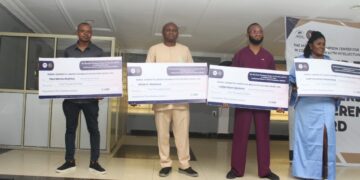















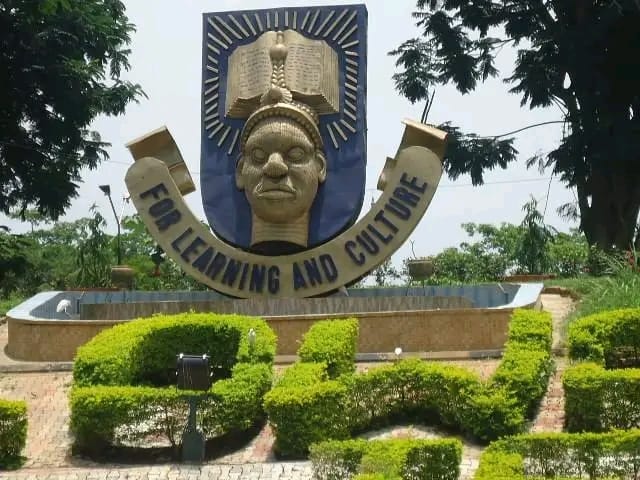


The Midstream and Downstream Gas Infrastructure Fund (MDGIF) has commissioned an integrated Compressed Natural Gas (CNG) refuelling facility at Obafemi Awolowo University, a move described by stakeholders as a strategic effort to embed Nigeria’s gas transition agenda within federal universities.
Unveiled in Ile-Ife, Osun State, the project is part of a broader initiative to deploy CNG infrastructure across 20 federal universities nationwide through equity partnerships with private investors, including FEMADEC Energy Limited.

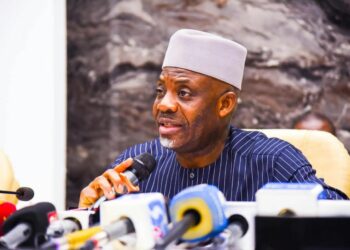
Executive Director of MDGIF, Oluwole Adama, said the project is “more than a campus transport solution,” describing it as a practical demonstration of Nigeria’s energy transition.
“This project represents progress, partnership, and purpose in advancing cleaner fuels and domestic gas utilisation in line with national energy objectives,” he added.

Unlike conventional urban rollouts, the OAU facility is a hybrid infrastructure combining refuelling, vehicle conversion services, and transport deployment within the campus environment.
The initiative aims to serve as a living laboratory for research in alternative fuels, engineering, environmental science, and energy policy.

Prof. Adebayo Simeon Bamire, Vice-Chancellor of the university, said the facility would foster research, innovation, and stronger relations between the university and the host community while providing affordable and sustainable transport solutions for students and staff.

The project also received support from the First Lady of Nigeria, Oluremi Tinubu, who donated 50 CNG-powered buses, while PiCNG contributed 10 CNG-powered tricycles to enhance mobility on campus.
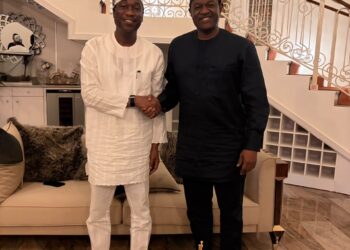
Akinnola Fola, Group Managing Director of FEMADEC Energy, reaffirmed the company’s commitment to building scalable CNG infrastructure across Nigeria, noting that universities are critical anchors in promoting youth engagement, innovation, and community integration.
Stakeholders say the OAU initiative is expected to reduce transport costs, lower carbon emissions, and provide cleaner mobility alternatives, potentially serving as a model for wider adoption of gas-powered transport solutions across the country.
The project aligns with ongoing federal efforts to expand domestic gas utilisation, particularly following the removal of petrol subsidies in 2023, bridging financing gaps in the midstream and downstream gas sectors, and creating practical pathways for Nigeria’s energy transition to reach everyday reality.






 EduTimes Africa, a product of Education Times Africa, is a magazine publication that aims to lend its support to close the yawning gap in Africa's educational development.