

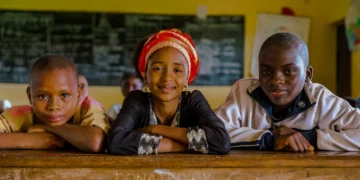



























Refugee students studying in Rwanda say inclusive education is helping them gain practical skills and opportunities that are preparing them for employment and self-reliance.
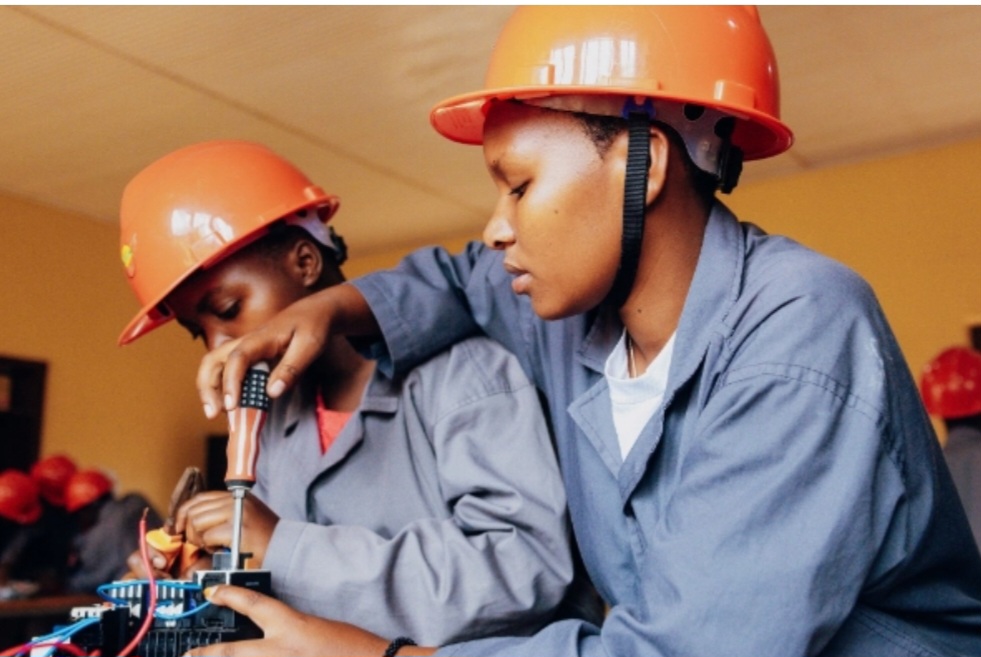
At Mugombwa Technical Secondary School in Gisagara District, many students from the Mugombwa Refugee Camp are enrolled in vocational programmes such as electrical technology, construction and fashion design. The technical training allows learners to gain hands-on experience while still in school.

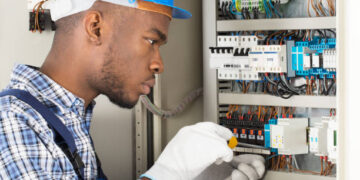
Denis Sagamba, a student studying electrical technology who lives in the refugee camp, said he chose the programme because of its growing relevance in the modern job market.
“The world is advancing quickly and technology will continue to require people who can install electrical systems,” he said, adding that students can already earn small income through electrical installation jobs while still studying.

Sagamba also noted that learning alongside Rwandan students has created a sense of belonging for refugee learners.
“Although I am a refugee, I see the same opportunities as the Rwandan students we study with. We feel like one and learn together as equals,” he said.
Another student, Celine Uwamahoro, who studies building construction, said the inclusive learning environment motivates students to focus on building their future.
“When you reach school, nobody separates refugees from other students,” she said. “We are treated the same, and that gives us confidence to work hard.”
Uwamahoro added that she chose construction because it offers stable career opportunities and noted that more girls are now entering professions traditionally dominated by men.

School officials say vocational education enables students to apply their skills even before graduation. Filipo Kandanana, deputy head teacher in charge of discipline at the school, said some learners begin earning income from small projects as early as Level Three.
“By the time they complete their studies, some students are already financially independent because of the practical skills they acquire,” he said.
According to the school’s director, Fidele Mbaraga, the institution was established in 2021 with 59 students across three departments: construction, tailoring and electrical studies. Since then, the school has graduated 160 students, with about 70 percent already employed.
Local authorities say inclusive education initiatives have also strengthened social cohesion between refugees and host communities. Jerome Rutaburingoga, mayor of Bugesera District, said the district hosts more than 12,000 refugees who live peacefully alongside local residents.
Beyond Gisagara, refugee students in other districts report similar experiences. Judith Nzamukosha, a Congolese refugee studying at GS Gasaka while living in Kigeme Refugee Camp, said the system allows refugee students to learn without discrimination.
“If you perform well, you are allowed to choose the school you want anywhere in the country,” she said.
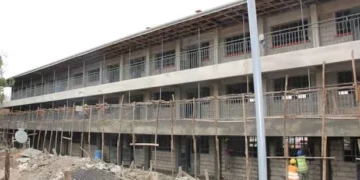
Education infrastructure supporting refugee learners has also expanded with the help of development partners. Frank Ngonga, a project manager at Ministry in Charge of Emergency Management, said the Jya Mbere project has invested more than Rwf20 billion in education infrastructure since 2019.
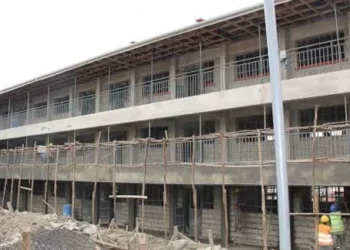
The programme has helped build 250 classrooms and 386 toilets in schools across participating districts, while also supplying desks, chairs and other learning materials to improve conditions for both refugee and host-community students.
Officials say such initiatives are helping refugee students gain skills, access employment opportunities and integrate more effectively into their communities.





 EduTimes Africa, a product of Education Times Africa, is a magazine publication that aims to lend its support to close the yawning gap in Africa's educational development.