



























You are eager to become an excellent writer, but you have refused to write at all. How are you going to become an excellent writer when you keep assuring yourself that you will never be one? You are always asking yourself why your next attempt should be any more successful, given that you have so far had several false starts. Are you snatching defeat from the jaws of victory when your eagerness is just beginning to appear?



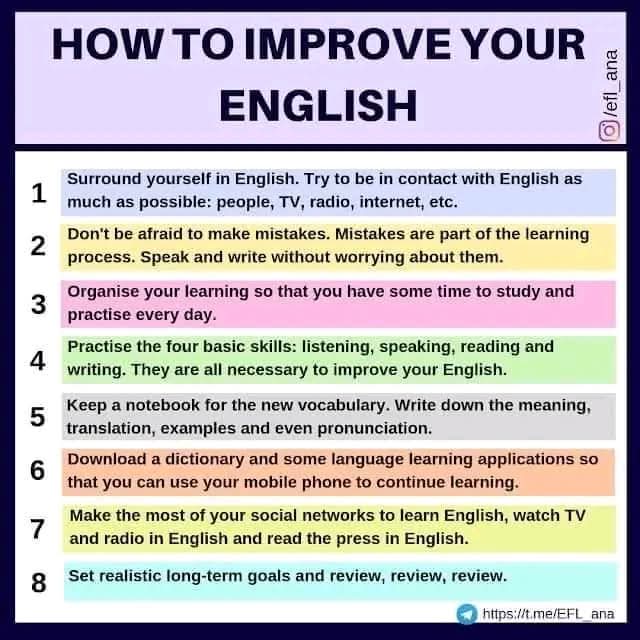
Do not be afraid to make mistakes because mistakes are not bad for you—if anything, they help you get better at any craft. A baby can hardly walk without first learning to rise when it falls, and try again. Nobody, me included, was, I repeat, ever a good writer from the start. I have achieved mastery of writing in English with hard work and routine practice. I am still practising. If nothing else lasts forever, learning does.


Start now. Set pen to paper, engage your keyboard. Write about anything. It can be about the weather, a beautiful scenery, an experience you had in the past, something you have observed, or even about somebody you admire. Grammar should be the least of your worries at the scribbling stage. This is because ideas sometimes flow faster than one can adequately pen them. Do not worry, just keep writing them as they occur to you. When you have finished, pick up a trusted dictionary to look up words which might be used to replace the ones you have written; exploit a collocations dictionary to combine words correctly so you can sound more precise and native-speaker-like; then, use a thesaurus to find other suitable alternatives to words you may have overused. A good thesaurus offers as wide a choice as possible for every word it supplies.

Avoid prolixity and highfalutin language, as they are not yardsticks for assessing written proficiency. Unknown to some people, they can make a piece of writing dull. Discursive. Even meaningless! Incorrect word choices can also lead to ambiguity for the reader. You do not want to say everything and end up meaning nothing or confusing people. Read books regularly and make a note of all the interesting new words you will encounter. Find your voice as your writing skills improve: your voice—or style of writing, is your identity. Write frequently, and as often as occasions would permit. I will see you when you get there. I wish you well.

♦||•Montell Benson is a grammarian, and has over 10 years’ experience as a professional book editor/proofreader to boot.
📷 EFL_ANA














 EduTimes Africa, a product of Education Times Africa, is a magazine publication that aims to lend its support to close the yawning gap in Africa's educational development.