




















































A secondary school in South Africa is facing severe financial and infrastructure challenges after falling into debt from equipment rental agreements gone wrong.
You might also like thesePosts



Baitshoki Secondary School, located in the North West province, owes more than R600,000 following defaults on contracts for two photocopiers and a digital phone system. The agreements were signed in early 2020, but shortly afterward, during the COVID-19 pandemic lockdown, the equipment was either stolen or damaged in a burglary.


Despite losing the equipment, the school remained liable for the contracts. Legal action followed, and by 2023, judgments totaling hundreds of thousands of rand were granted against the school. Additional costs, including legal fees and high interest rates, have significantly increased the debt.
As a result, the school’s bank account has been frozen, with financial management now handled by the district education department. This has left little room for maintenance or improvements.

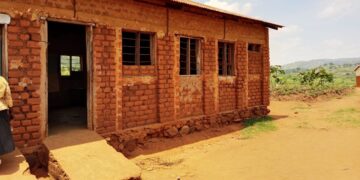
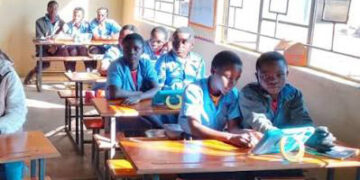
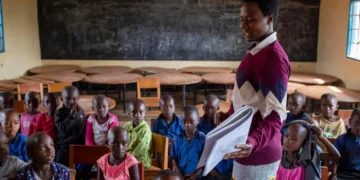
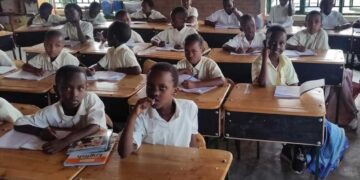
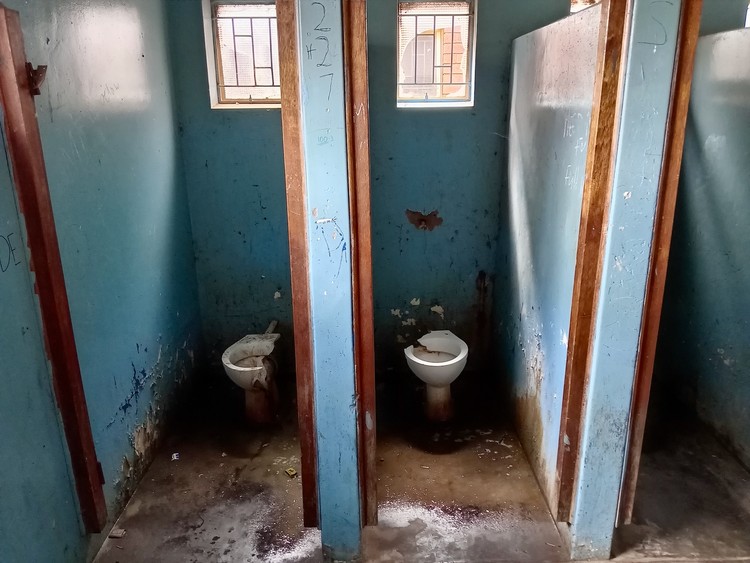
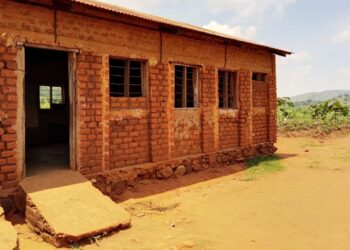
Meanwhile, the learning environment has deteriorated drastically. About 789 students attend classes in buildings with broken walls, ceilings, and floors. Sanitation is a major concern, with toilets damaged, unhygienic, and often without water—forcing some students to relieve themselves outdoors.
Attempts by school officials to secure temporary solutions, such as mobile toilets, have not received a response from authorities.

According to the provincial education department, plans to rebuild or upgrade the school are in progress, with implementation expected in the 2026/27 financial year, pending budget approvals.
The case highlights how costly rental agreements and unforeseen events can plunge already struggling schools into long-term financial and operational crises.







 EduTimes Africa, a product of Education Times Africa, is a magazine publication that aims to lend its support to close the yawning gap in Africa's educational development.