



















By the time the Career Expo wrapped up in Daggakraal, it had done more than fill a sports ground—it opened up conversations about what learning can lead to.
Held at the Spamplek Sports Ground in Daggakraal, within the Gert Sibande District of Mpumalanga, the inaugural Career Expo Day brought learners face-to-face with opportunities that often feel distant from the classroom.

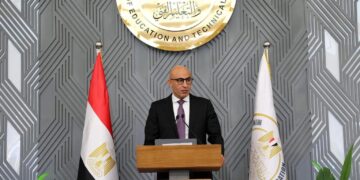
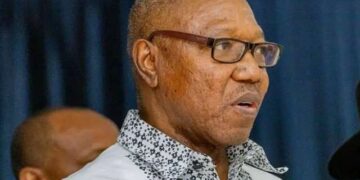
The event, led by Basic Education Deputy Minister, Dr Reginah Mhaule, formed part of activities marking Freedom Month and Schools Democracy Month.
But beyond the calendar, it reflected a growing push to make career guidance more practical and visible.

According to the Department of Basic
Education (DBE), the expo responded to calls from stakeholders concerned about learners’ overall development—including community leaders and the Portfolio Committee on Basic Education.
It also aligned with President Cyril Ramaphosa’s call at the 2026 Basic Education Lekgotla for more career exposure initiatives.
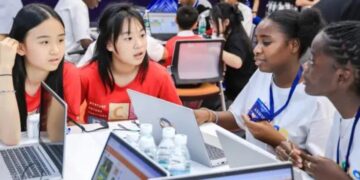
Throughout the day, learners interacted with representatives from different sectors, exploring pathways ranging from public service to entrepreneurship.
For many, it was a rare chance to connect what they study in school with what exists beyond it.
The focus wasn’t only on traditional careers.
There was deliberate attention on entrepreneurship and small business development, with emphasis on how young people can create opportunities within their own communities.
At the same time, the conversation leaned into the future.
Discussions highlighted emerging trends, especially the growing influence of technology and artificial intelligence on jobs and skills.
Beyond the learners, the impact extended
to those who support them.
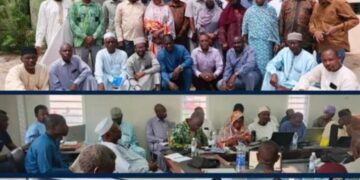
School Governing Bodies, School Management Teams, School-Based Support Teams, learner representatives, and parents were also engaged and equipped with tools to better guide students after the event.

The expo itself was a coordinated effort.
Multiple government departments and institutions contributed, each playing a role in linking education to employment, skills, and welfare.
Participants included the South African Police Service, The Presidency, the Department of Science, Technology and Innovation, Pixley Ka Seme Local Municipality, the Department of Minerals and Petroleum Resources, the Department of Public Works and Infrastructure, and the Mpumalanga Department of Education.
By the end of the day, what remained wasn’t just information, but exposure.








 EduTimes Africa, a product of Education Times Africa, is a magazine publication that aims to lend its support to close the yawning gap in Africa's educational development.