
























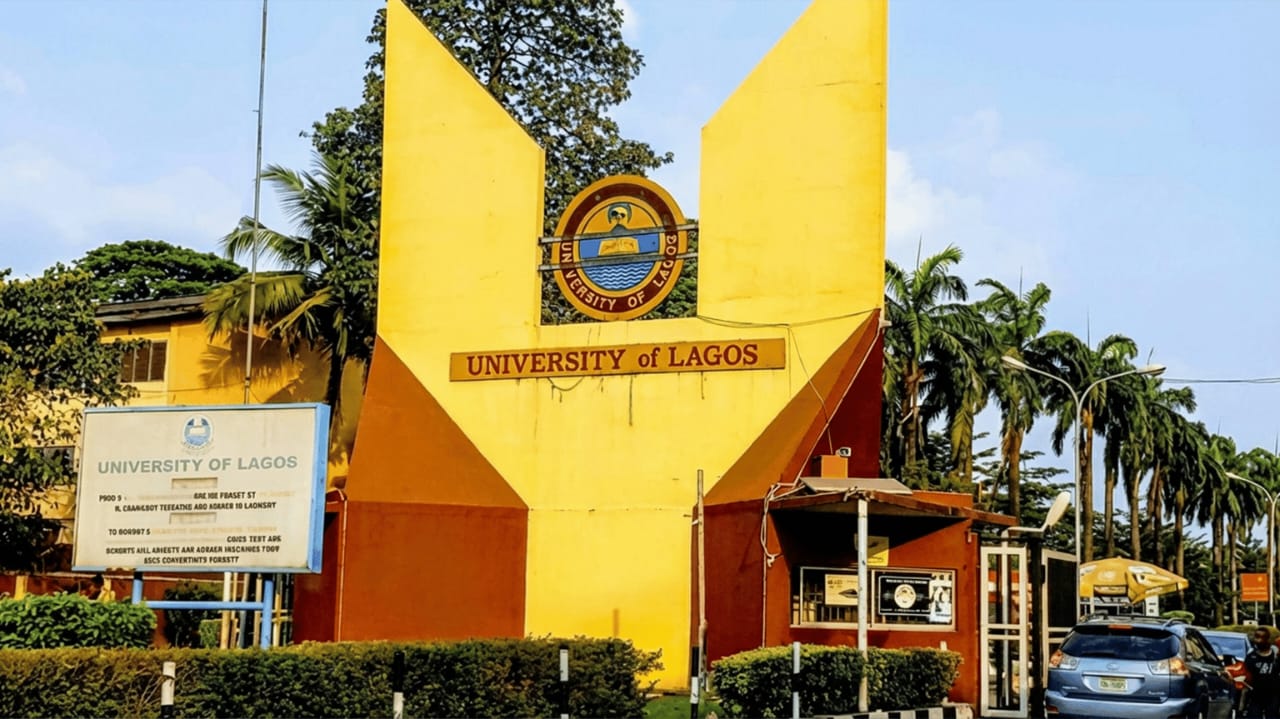


The University of Lagos (UNILAG) has withdrawn a controversial safety advisory issued by its Student Affairs Division after it sparked widespread criticism on social media, while reaffirming its zero-tolerance policy on sexual harassment and victim-blaming.



The advisory, displayed on a roll-up banner on campus, contained safety tips for female students aimed at reducing the risk of sexual harassment and rape. Among its recommendations were: “Do not shake hands anyhow with any man,” “Do not dress to kill,” “Do not mingle carelessly with men,” and “Do not stay alone with a man in a hidden place.”

The guidance also advised students not to seek unnecessary favours from men, avoid pornography, reject intoxicants, remain vigilant when served drinks, and be assertive in resisting pressure.

According to the Student Affairs Division, the advisory formed part of the university’s counselling efforts to educate female students on personal safety and strategies for reducing the risk of sexual harassment on campus.

However, following public backlash, UNILAG distanced itself from the publication, stating that although it originated from the Student Affairs Division, it did not reflect the university’s values or official position.
In a statement issued by the university management, UNILAG reiterated that it does not tolerate rape or sexual harassment in any form and rejected any suggestion that victims should be blamed for acts of abuse.
The university described sexual harassment as a serious offence that has no place within its community and encouraged students and staff to report incidents through its confidential reporting channels for prompt investigation and support.

UNILAG also reaffirmed its commitment to providing a safe, respectful, equitable and inclusive environment where students and staff can learn and work without fear of harassment.
The controversy comes amid ongoing efforts by Nigerian universities to strengthen measures against sexual harassment. UNILAG has, in recent years, recorded several high-profile sexual assault cases, including an ongoing court case involving a lecturer accused of raping an undergraduate student.














 EduTimes Africa, a product of Education Times Africa, is a magazine publication that aims to lend its support to close the yawning gap in Africa's educational development.