






















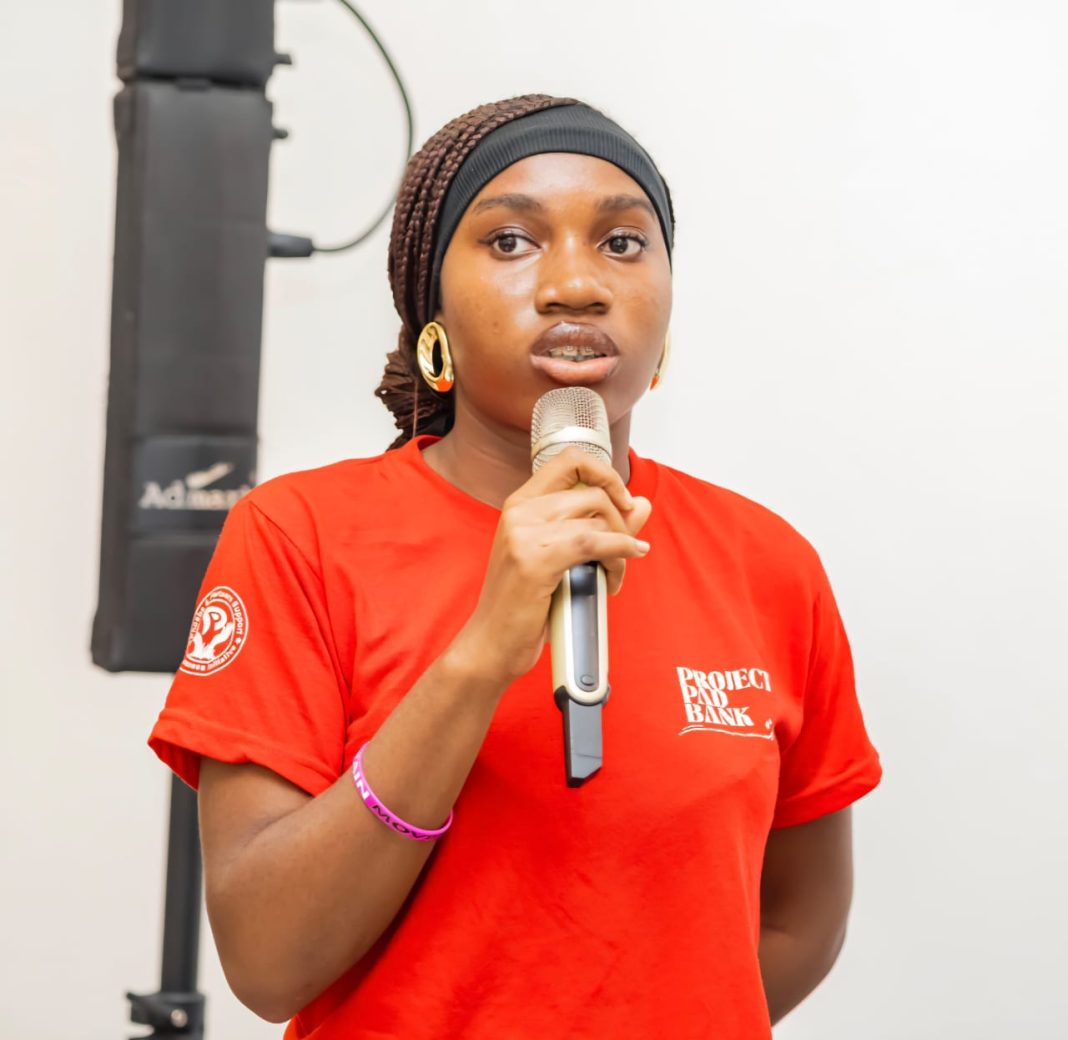


The Clerk of the Voice of the Girls Parliament of the Helpline Social Support Initiative, Onome Treasure Uko, has called for quality and accessible education, scholarships, safe routes to school, improved teaching, vocational opportunities and stronger support for vulnerable families to help girls thrive.



Uko made the call during a Voice of Change Parliament session at the Technical Inception Workshop of the Future Free from Child Marriage (FFCM) Project.

She said child marriage should no longer be justified as culture when it violates girls’ rights, limits their choices and prevents them from determining their futures.
«“I’m here to tell you that it’s not by force. You can do what you want to do. You can become a professor, you can become an astronaut, you can become a housewife, if that’s what you want. The point is that you have a choice.”»

Uko said efforts to end child marriage must focus on expanding girls’ choices while creating the conditions that make those choices achievable.

“We want a safe space where girls are provided with opportunities, economic resources, education, supportive families and facilities, where saying no is a realistic choice,” she said.
She also called for sustainable interventions capable of producing lasting change rather than short-term programmes that lose impact after implementation ends.
“What we want is a lasting effect, not just something that is sharp for one moment and then cools out the moment that you are gone from there,” she said.
Education as a Tool Against Child Marriage
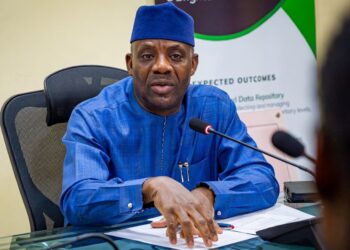
The Country Director of CARE Nigeria, Dr Hussaini Abdu, said the FFCM project offered stakeholders an opportunity to strengthen collaboration and turn expertise into practical action.
“Our commitment is to see whatever we can do to tackle this challenge. We recognise that we are not the only organisation out there. There are several of us doing ample work around what is an important value that we want to add to this,” he said.
Abdu urged participants to contribute ideas that would improve implementation and ensure the project delivers meaningful results.
Also speaking, a representative of the Coalition to End Child Marriage, Olatosimi Kolawole, said interventions must reflect the realities of individual communities and address the different factors driving child marriage across Nigeria.
He stressed the importance of keeping girls in school, saying:
«“Put a girl in school, let her stay till SS3, and you have reduced by about 70 per cent the incidence of child marriage, using education to address the issue.”»
Kolawole said girls’ empowerment should go beyond formal education to include life skills, vocational training and literacy in local languages.
He also encouraged development partners to align their programmes with existing government policies and frameworks.
“We can complement, we can advise, but government will always be government, whether state, local or federal,” he said.
Stakeholders Seek Community-Led Solutions

Kolawole advocated community-led bylaws to address child marriage and cautioned against relying on a single intervention.
According to him, education, legal protection, awareness creation and economic support must work together to tackle the problem effectively.
He further urged stakeholders to adopt the National Strategy on the Elimination of Child Marriage 2025–2030 as a common framework for designing and implementing interventions.
The stakeholders agreed that ending child marriage requires more than preventing early marriages. They stressed the need for systems that keep girls in school, communities that take ownership of solutions, laws that protect children’s rights and government action that converts policy commitments into measurable opportunities.
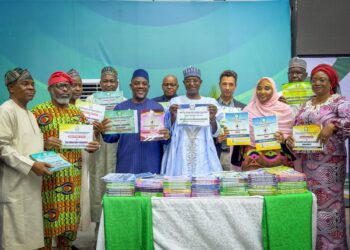
The workshop was organised by CARE Nigeria, CARE USA and the Abdul Latif Jameel Poverty Action Lab (J-PAL), in collaboration with the Nigerian Government. It brought together government representatives, civil society organisations, young people and advocates to discuss practical approaches to ending child marriage in Nigeria.












 EduTimes Africa, a product of Education Times Africa, is a magazine publication that aims to lend its support to close the yawning gap in Africa's educational development.