






















Mention that you’re studying Education in some Nigerian campuses and you may hear comments like, “So you want to be a teacher?” or “Couldn’t you get another course?”

Many Education students are familiar with these assumptions. Yet, the reality is often different from what people think.

As conversations around teachers and education continue, here are five common misconceptions about students studying Education courses.
1. They Chose Education Because They Couldn’t Get Another Course

This is one of the most common assumptions.
While some students may eventually find themselves in Education programmes through admission processes, many deliberately choose courses such as English Education, Biology Education, Mathematics Education and Educational Management because they are interested in teaching, learning and human development.
For many of them, Education is a first choice, not a backup plan.
2. Their Only Career Option Is Teaching
Teaching is an important career path for Education graduates, but it is not the only one.
Many Education graduates work in school administration, curriculum development, educational consulting, publishing, training, educational technology, non-governmental organisations and other sectors connected to learning and development.
3. Education Courses Are Easy
Some people assume that Education students simply learn how to teach.
In reality, many Education programmes combine professional teaching courses with subject-specific learning.
For example, a student studying Biology Education is expected to learn Biology as well as the methods and principles of teaching the subject effectively.
4. Teaching Practice Is Just a School Requirement
Teaching practice is often viewed as another academic exercise.
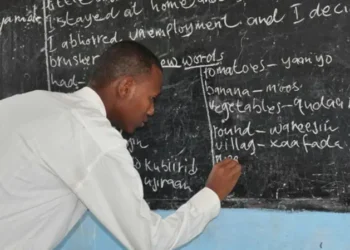
However, it is usually one of the first opportunities Education students have to manage a classroom, prepare lessons, interact with learners and apply what they have learnt in real-life situations. It gives way for theory to meet practice.
5. Education Students Are Not Studying “Professional” Courses
Education is sometimes unfairly compared with other disciplines.

The truth is that every profession depends on education at some point. Engineers, doctors, lawyers, accountants and other professionals all pass through teachers before entering their respective careers.
Education students are preparing for a profession that plays a role in developing the workforce and society as a whole.
What many people don’t understand is that students studying Education are not simply preparing to stand in front of a classroom and deliver lessons.
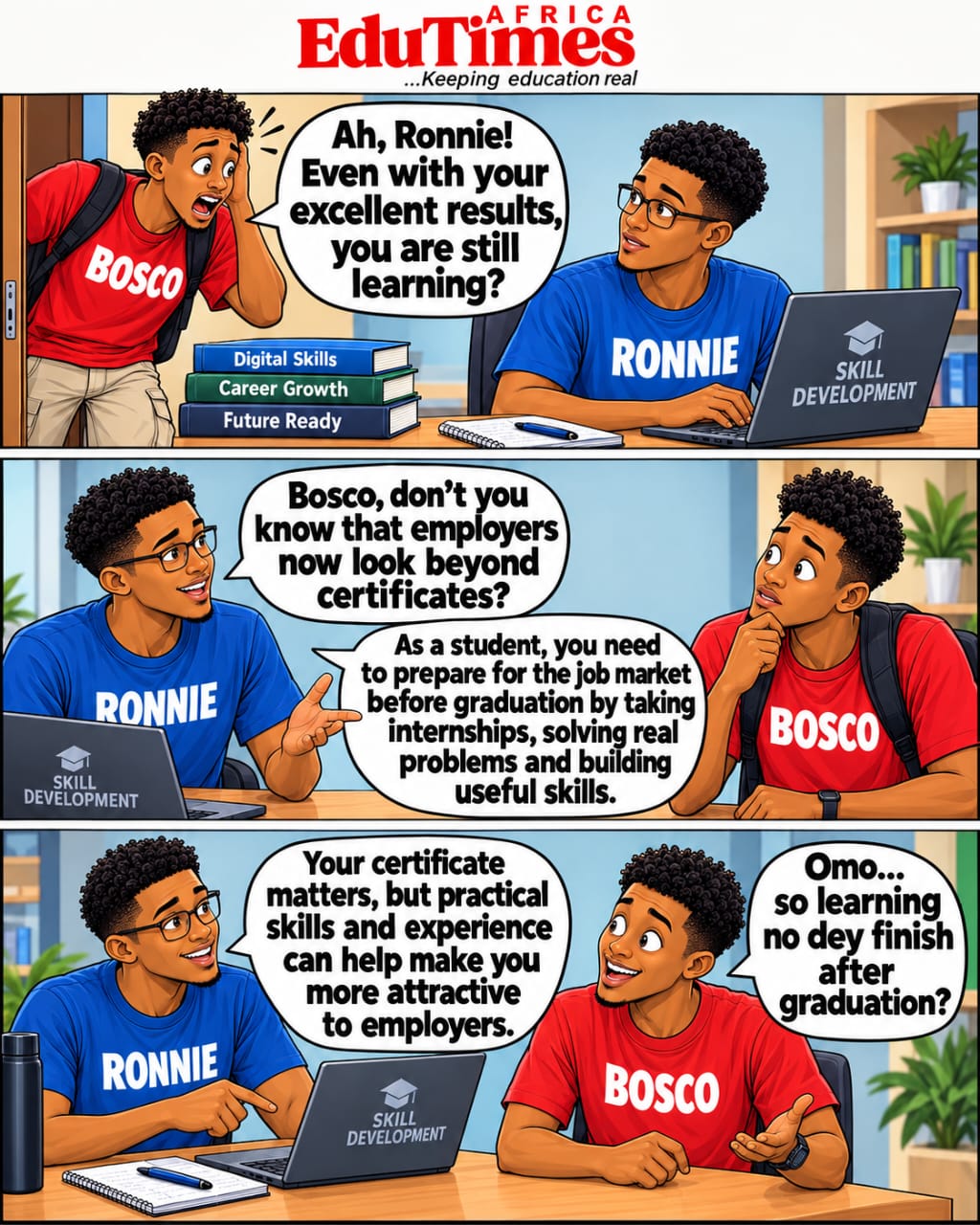
Many are learning how people learn, how knowledge is transferred and how future generations can be equipped with the skills needed to succeed.
That is why, despite the misconceptions, thousands of students across universities and colleges of education continue to pursue Education degrees every year.







 EduTimes Africa, a product of Education Times Africa, is a magazine publication that aims to lend its support to close the yawning gap in Africa's educational development.