























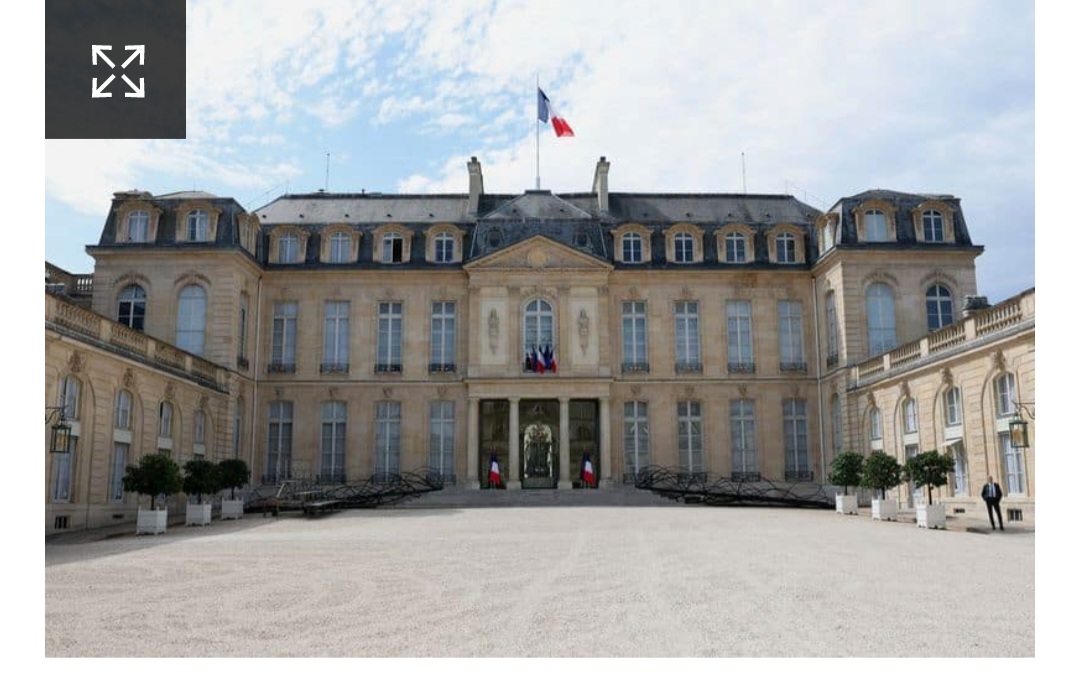


France’s proposed 2027 education budget has sparked debate over whether planned spending increases will provide enough support for secondary schools, universities and student services once inflation is taken into account.
The French government has proposed an overall education ministry budget of €89.1 billion for 2027, an increase of €1.2 billion, or 1.9 per cent, compared with 2026. However, a Reuters analysis published on 20 October 2026 found that some major education programmes could lose purchasing power despite the nominal increase.
The analysis focused on three areas: public secondary education, university education and research, and student life. Using the government’s annual inflation figure of 2.1 per cent, Reuters calculated that these areas would face a combined shortfall of approximately €839 million compared with the funding needed to maintain their 2026 purchasing power.



Public secondary education is allocated €40.284 billion in the proposed 2027 budget, compared with €40.002 billion in 2026. Although this represents an increase in cash terms, rising costs could reduce the amount of goods and services the funding can purchase.

The university education and research allocation is set to rise from €15.724 billion to €15.786 billion, while funding for student life, including grants and support services, is expected to increase from €3.275 billion to €3.331 billion.

The French government has defended the proposed budget, pointing to increased spending across the wider education sector. Its newly launched fact-checking account disputed claims that the overall education budget was being cut, citing additional funding for schools, higher education and research.


However, the disagreement partly reflects differences in the figures being compared. The government highlighted the overall budget increase, while the Reuters analysis examined whether selected programmes would retain their purchasing power after inflation.
The debate is significant for education policymakers because inflation can reduce the real value of funding for teaching resources, staffing, student grants and university operations. The proposed allocations may still change during France’s budget approval process, meaning the final impact on schools and students remains uncertain.













 EduTimes Africa, a product of Education Times Africa, is a magazine publication that aims to lend its support to close the yawning gap in Africa's educational development.
