





















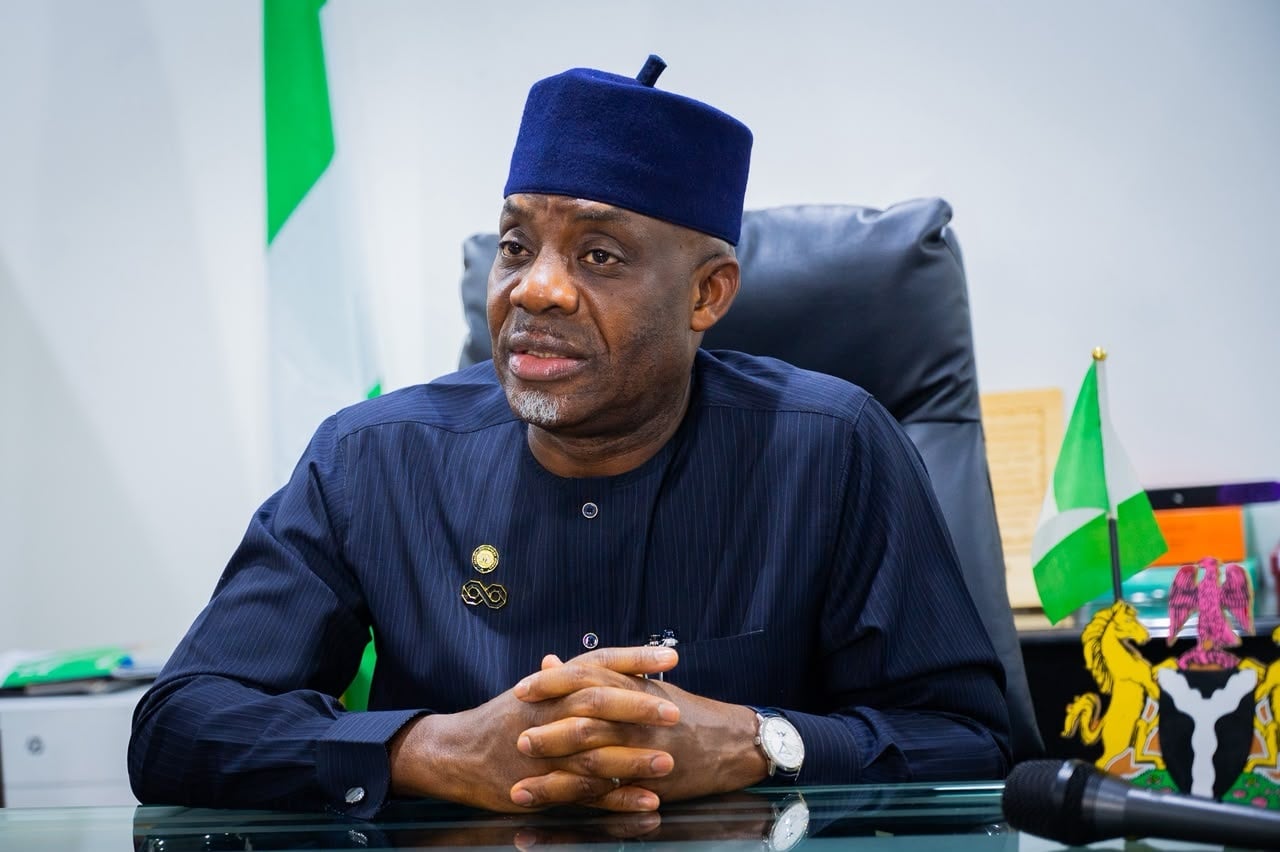


The Minister of Education, Dr Maruf Tunji Alausa, has commended Borno State Governor, Babagana Umara Zulum, for investing in education infrastructure, including the construction of about 130 mega schools, despite years of insurgency and displacement.

Alausa gave the commendation during the commissioning of the High Islamic School, Abbaganaram Primary School and Muna Koreri Primary and Junior Day Secondary School in Maiduguri, Borno State.
The minister described the state’s investment in education as remarkable, saying the projects reflect efforts to expand access to quality education and provide learners with safe, modern and conducive learning environments.

He said quality school infrastructure was essential to restoring dignity to learners, building confidence, improving educational outcomes and preparing young people for meaningful contributions to society.
Alausa noted that Borno had recorded exceptional progress in education, healthcare and social protection over the past seven and a half years, describing the state’s development efforts as a reflection of purposeful leadership.
He stressed that children should not be made to learn in dilapidated classrooms or environments without basic facilities, noting that the quality of school infrastructure plays a significant role in nurturing responsible and productive citizens.
The minister also cited an increase in enrolment from about 700,000 to 1.8 million learners in basic and senior secondary education in the state, describing the growth as a significant milestone in efforts to expand educational access.
According to him, the achievements align with President Bola Ahmed Tinubu’s Renewed Hope Agenda, which prioritises human capital development, foundational learning, digital literacy, skills development and efforts to address the out-of-school children challenge.

Alausa further commended Zulum for supporting Federal Government education initiatives and collaborating with the Ministry of Education, noting that education remains a critical instrument for national security, peacebuilding, social cohesion and economic prosperity.

In his remarks, Zulum praised the Federal Ministry of Education for its ongoing reforms, particularly in vocational education and digital literacy, saying the initiatives would equip learners with relevant skills and prepare them for emerging opportunities.
The governor said his administration was also implementing reforms to integrate non-formal education into the public education system, with emphasis on intensive literacy, digital literacy and vocational training.
He urged communities benefiting from the newly commissioned facilities to take ownership of the schools and assured them of continued government support, including plans to address electricity supply and other community needs.
Alausa reaffirmed the Federal Government’s commitment to working with state governments through the Universal Basic Education Commission (UBEC), the AGILE programme and other interventions to improve school safety, teacher quality, foundational learning and access to education.
He said the government would continue to prioritise girls and vulnerable learners while strengthening implementation of reforms aimed at ensuring more Nigerian children benefit from quality education.
The minister added that the Renewed Hope Agenda seeks not only to deliver educational infrastructure but also to sustain investments and improve learning outcomes across the country.









 EduTimes Africa, a product of Education Times Africa, is a magazine publication that aims to lend its support to close the yawning gap in Africa's educational development.