























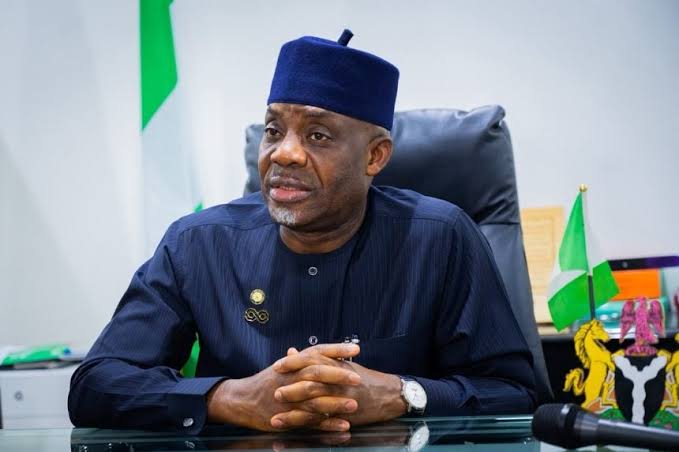


Nigeria’s Minister of Education, Dr Maruf Tunji Alausa, has urged vice-chancellors of Nigerian universities to introduce degree programmes in high-demand fields, including audiology, occupational therapy, speech and language therapy, clinical psychology and medical social work.



The minister said the programmes would help address critical manpower shortages, strengthen specialised healthcare and social services, and equip graduates with skills needed for professional practice and employment.

Alausa also reaffirmed the Federal Government’s commitment to establishing autism centres across Nigeria’s six geopolitical zones to improve access to specialised care and support for persons on the autism spectrum and their families.

According to a statement issued by Ikharo Attah, the minister’s Special Adviser on Media and Communications, on 18 November 2026, the minister called on universities to align their academic programmes with national workforce needs and the growing demand for specialised professional services.

He noted that expanding training in these fields would strengthen Nigeria’s capacity to provide essential services locally, address gaps in specialist care and develop a skilled workforce capable of meeting the needs of the population.
The proposed autism centres are expected to provide access to diagnostic and therapeutic services, support research and serve as regional hubs for families, healthcare professionals and educational institutions.
The initiative is intended to strengthen local capacity and improve support for persons with autism and related developmental conditions.
Alausa said the Federal Government would continue to pursue reforms aimed at expanding access to relevant education, strengthening institutional capacity and promoting skills development in line with President Bola Tinubu’s Renewed Hope Agenda.
The minister also commended Dr Victoria Amu, chairperson of the Federal Government committee responsible for advancing audiology, occupational therapy, speech and language therapy, for her commitment and dedication to the assignment.
He urged vice-chancellors and other university administrators to work with Amu, relevant regulatory agencies and professional bodies to facilitate the development of the proposed programmes and ensure that training meets the required academic and professional standards.

Alausa reaffirmed the Federal Government’s commitment to building a responsive and inclusive higher education system that equips Nigerians with relevant skills, addresses manpower shortages and expands access to specialised services.
He added that the initiatives form part of broader efforts to strengthen human capital development, improve service delivery and ensure that Nigeria’s education system responds effectively to national priorities and citizens’ needs.








 EduTimes Africa, a product of Education Times Africa, is a magazine publication that aims to lend its support to close the yawning gap in Africa's educational development.
