
























The Minister of Education, Dr. Maruf Tunji Alausa, has outlined sweeping reforms across Nigeria’s education sector, saying President Bola Ahmed Tinubu’s administration is transforming learning through skills development, digital planning, improved access to education and evidence-based policymaking.



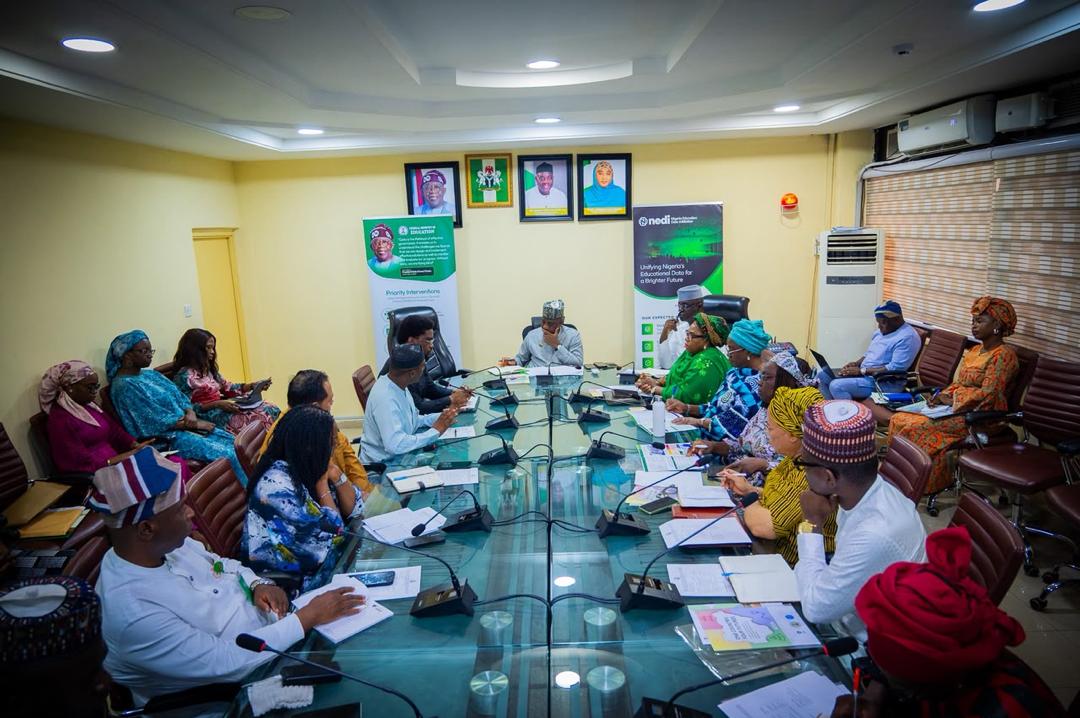
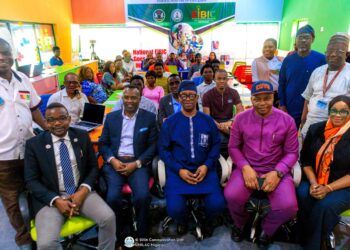
Speaking while receiving the report of the 2025 Nigeria 2050: Child Foresight Analysis for Futures Literacy and Intergenerational Equity, Alausa said education remains at the centre of the Renewed Hope Agenda and is critical to achieving Nigeria’s long-term economic development goals.

TVET reform takes centre stage
The Minister identified Technical and Vocational Education and Training (TVET) as one of the administration’s flagship education reforms, stressing that Nigeria is repositioning technical education as a viable pathway to employment, entrepreneurship and industrialisation.

He said the Federal Government is reversing decades of neglect by strengthening skills acquisition, modernising technical education and preparing young Nigerians for Industry 4.0 and the evolving global labour market.
> “Skills are the present and the future. Nigeria can no longer afford an education system that does not prepare young people for the realities of today’s economy,” Alausa said.
NESRI driving education transformation
According to the Minister, the Nigerian Education Sector Renewal Initiative (NESRI) is coordinating reforms across the education sector, with focus on:
Expanding TVET and STEM education.
Improving teacher quality.
Strengthening quality assurance.
Reducing the number of out-of-school children.
Digitalising education data and planning.

He noted that these reforms are designed to improve learning outcomes while building a workforce capable of driving Nigeria’s economic growth.
More than one million children enrolled
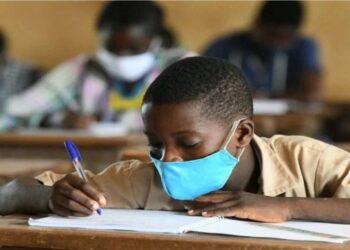
Alausa disclosed that more than one million out-of-school children have been returned to classrooms nationwide over the past two and a half years.
He revealed that Jigawa State alone has enrolled more than 180,000 children during the period, while the Federal Government is now focusing on keeping learners in school and preventing fresh cases of school exclusion.
Although recent household surveys suggest previous estimates of Nigeria’s out-of-school population may have been overstated, the Minister maintained that every child outside the classroom remains one too many.
Digital data improving education planning
The Minister said the Federal Ministry of Education is relying on digital technology to improve planning through the Nigerian Education Management Information System (NEMIS).
According to him, over 56 per cent of public schools and 41 per cent of private schools have already uploaded their data for the 2026 Annual School Census, providing government with more reliable information for policymaking.
> “Without data, you’re flying blind. Data will tell you everything,” he stated.
The information, he explained, will help government monitor enrolment, identify infrastructure gaps, allocate resources efficiently and evaluate the impact of education interventions.
National learning assessment underway
The Minister also announced that the Federal Government has completed a nationwide baseline assessment of learners’ literacy, numeracy and cognitive abilities across primary, junior secondary and senior secondary schools.
He said the assessment would provide credible data for measuring learning outcomes and tracking the effectiveness of ongoing education reforms.

Child Foresight report to support long-term education planning
Alausa welcomed the 2025 Nigeria 2050 Child Foresight Analysis, describing it as an important tool for strengthening long-term education planning, futures literacy, youth development and evidence-based policymaking.
He said the findings would complement ongoing reforms under NESRI, particularly in skills development, digital education systems and preparing young Nigerians for future opportunities.
The Minister reaffirmed that the success of the administration’s education reforms would ultimately be measured by improved learning outcomes, stronger skills acquisition and better opportunities for Nigerian children and youths.











 EduTimes Africa, a product of Education Times Africa, is a magazine publication that aims to lend its support to close the yawning gap in Africa's educational development.