

























The past week was marked by a series of far-reaching education policy announcements, institutional reforms, graduate employability initiatives, and student support programmes that reflect the Federal Government’s growing emphasis on improving quality, relevance, and access across Nigeria’s education sector. From the recruitment of thousands of teachers to reforms in textbook approval and technical education, the week’s developments point to a broader push to reposition education as a driver of national development.



1. FG Tightens Quality Control with National Textbook Ranking System

Perhaps the most significant policy announcement of the week was the Federal Government’s introduction of the National Textbook Ranking System, a reform designed to improve the quality of instructional materials in public schools.
Beginning in September 2026, only textbooks that have undergone national evaluation and ministerial approval will be permitted in public primary and secondary schools. Publishers, authors, and schools found using unapproved textbooks risk sanctions, including blacklisting.

The reform moves Nigeria beyond simple textbook approval to a merit-based ranking system, signalling a stronger commitment to improving learning outcomes and curriculum implementation.
2. Tinubu Approves Recruitment of 3,252 PTA Teachers
In another major intervention, President Bola Ahmed Tinubu approved the recruitment process for 3,252 verified PTA teachers into the federal public service.
The decision addresses years of teacher shortages in Federal Unity Colleges while providing long-awaited job security for teachers who have served in the schools, some for over two decades.
The move is expected to strengthen classroom instruction, improve teacher-student ratios, and enhance the quality of teaching across federal colleges.

3. TVET Reform Gains Momentum as NBTE Governing Board is Inaugurated
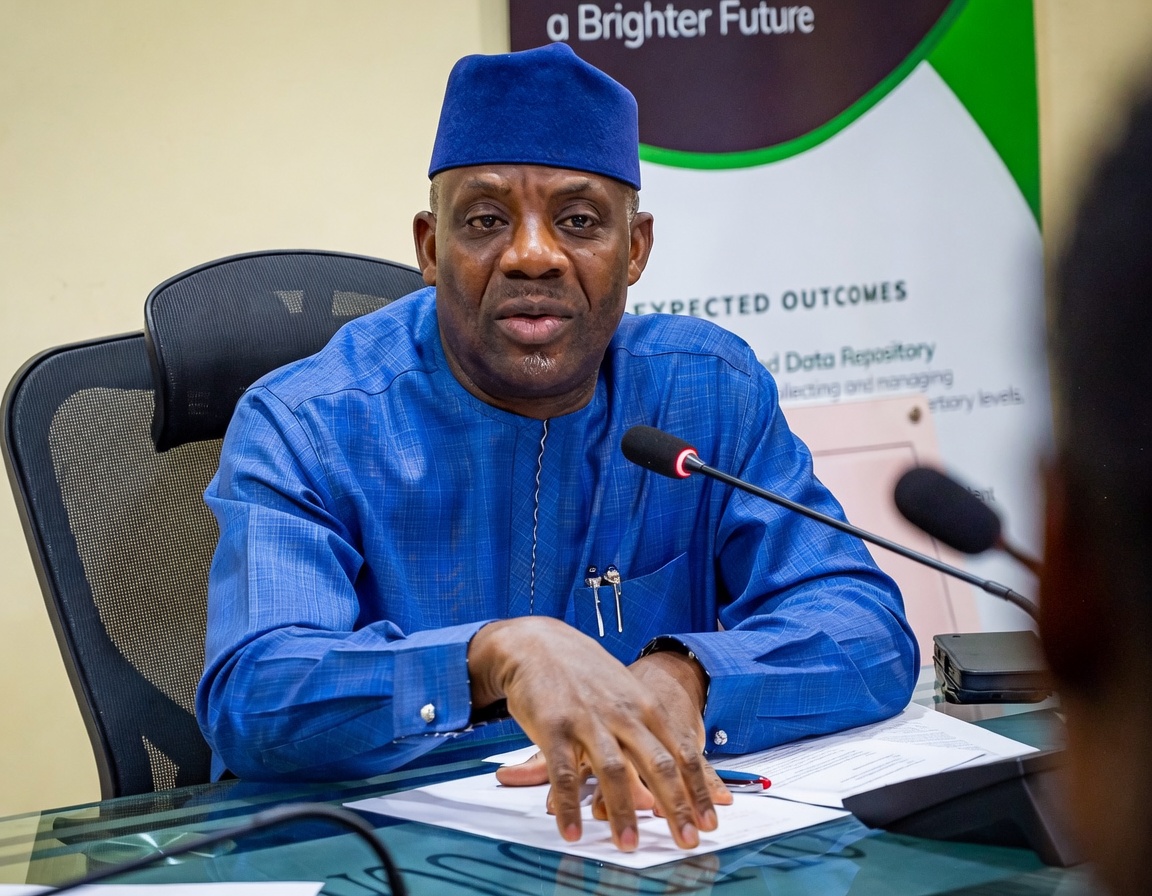
Technical and Vocational Education and Training (TVET) remained at the centre of the Federal Government’s education reforms with the inauguration of the National Board for Technical Education (NBTE) Governing Board.
Education Minister Dr. Maruf Tunji Alausa charged the board to modernise curricula, implement the Recognition of Prior Learning (RPL) framework, embrace Industry 4.0 technologies, and strengthen collaboration with industry.
The inauguration reinforces the government’s strategy of producing a workforce equipped with practical and globally competitive skills.
4. NELFUND Resumes June and July Upkeep Payments
Relief came for thousands of students as the Nigerian Education Loan Fund (NELFUND) commenced payment of June and July upkeep allowances.
Following weeks of complaints over delayed disbursements, beneficiaries began receiving alerts, while the National Association of Nigerian Students (NANS) assured students that all outstanding payments would be cleared in batches.
The development restores confidence in one of the Federal Government’s flagship student support programmes.
5. Universities Deepen Focus on Graduate Employability
Graduate preparedness emerged as another major theme during the week.
The University of Lagos (UNILAG) launched “Beyond the Campus,” a career development initiative designed to bridge the gap between academic learning and workplace expectations through mentorship, career guidance, networking, and employability skills.
Similarly, Babcock University challenged its graduating Class of 2026 to become job creators rather than job seekers, with convocation lecturer Professor Adejoke Oyewunmi urging graduates to embrace innovation, entrepreneurship, resilience, digital literacy, and lifelong learning.
Together, both initiatives reflect the growing recognition that universities must produce graduates equipped not only with academic knowledge but also with practical workplace competencies.
6. Teach For Nigeria Inducts 499 Education Leaders
Teach For Nigeria expanded its education leadership movement by inducting 499 Fellows and School Leaders into its alumni network.
Over the past two years, the education leaders implemented 271 community-based projects focused on literacy, numeracy, digital education, gender inclusion, teacher development, climate action, and school improvement, directly impacting more than 68,000 learners across Lagos and Ogun States.
The induction highlights the increasing role of civil society organisations in addressing educational inequality.
7. Babcock University Partners PMI to Strengthen Global Skills
Babcock University also strengthened its international outlook by signing a Memorandum of Understanding (MoU) with the Project Management Institute (PMI) Nigeria.
The partnership will provide students with access to globally recognised project management certifications, international professional networks, leadership opportunities, and research collaborations, improving graduates’ competitiveness in the global labour market.

8. Examination Integrity Remains a Growing Concern
The week also featured renewed discussion on examination integrity following the release of major examination results.
Attention focused on the increasing use of artificial intelligence tools and digital devices in examination malpractice, prompting calls for stronger policies, improved supervision, digital literacy, and ethical education to preserve the credibility of public examinations.
Looking Ahead
Collectively, this week’s developments reveal a clear direction for Nigeria’s education sector. Policymakers are focusing on teacher quality, curriculum standards, skills development, graduate employability, student welfare, and stronger accountability mechanisms.
While many of these reforms are still in their implementation phase, their long-term success will depend on sustained funding, transparent execution, institutional collaboration, and effective monitoring.
If successfully implemented, these initiatives have the potential to significantly improve learning outcomes, strengthen workforce development, and position Nigeria’s education system to better meet the demands of a rapidly evolving global economy.













 EduTimes Africa, a product of Education Times Africa, is a magazine publication that aims to lend its support to close the yawning gap in Africa's educational development.