
























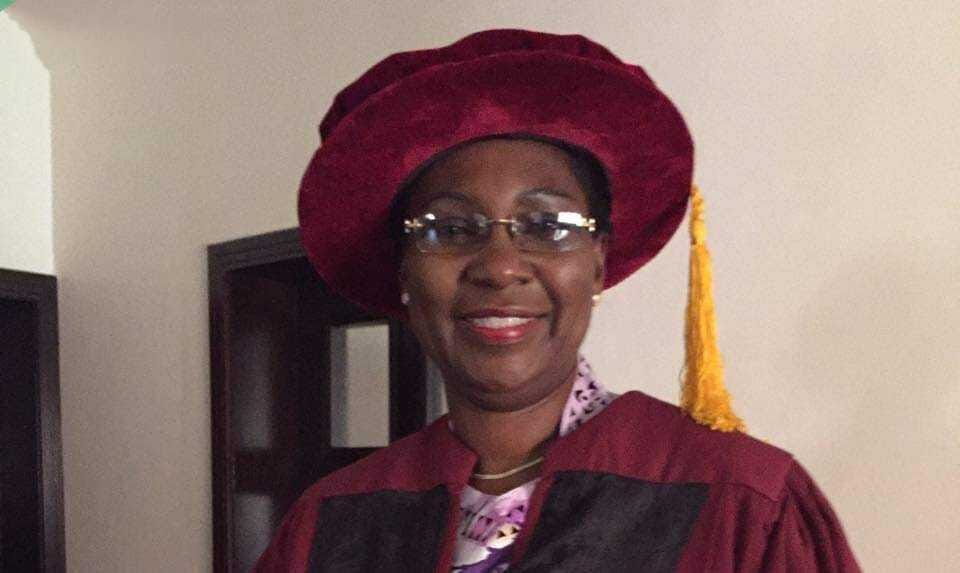


The immediate past Vice-Chancellor of Lagos State University (LASU), Prof. Ibiyemi Olatunji-Bello, has said public universities in Nigeria may need to rethink their funding structure and explore new revenue sources if they are to achieve long-term financial sustainability.



Olatunji-Bello, who completed her five-year tenure as LASU’s ninth vice-chancellor on September 19, spoke about the financial realities facing public universities during an interview in which she reflected on her administration’s achievements and challenges.

According to her, LASU’s internally generated revenue (IGR) increased from about N3 billion when she assumed office in 2021 to N13 billion by the end of her tenure.
She explained that the growth was driven by the introduction of new academic programmes, digital innovations, consultancy services, diploma programmes, short-term courses, partnerships and more than 75 new postgraduate programmes.

“When I came in, I was told that our dedicated revenue was N3 billion; I was baffled,” she said.
The former vice-chancellor noted that despite the significant increase in revenue, the university still relies heavily on government support to meet its financial obligations.
“Right now, LASU does not have financial self-sustainability. We may have increased our dedicated revenue, but we cannot survive,” she said.
She revealed that the university’s monthly salary bill exceeds N1 billion, while electricity costs alone amount to about N140 million every month.
According to her, internally generated revenue is not sufficient to cover salaries, utility bills, security, environmental maintenance and other operational expenses.
Olatunji-Bello argued that achieving complete financial independence remains difficult for public universities under the current funding model.

She said quality higher education comes with substantial costs and stressed the need for sustainable funding mechanisms to support academic excellence.
The former vice-chancellor also encouraged universities to continue pursuing innovation and alternative revenue streams to strengthen their financial position.

Speaking on admissions, she attributed LASU’s popularity among candidates to its merit-driven admission process and academic reputation.
She explained that the university operates a system that prioritises merit while making provisions for Lagos State indigenes, direct-entry candidates and other approved admission categories.
According to her, the institution’s admission process has contributed to its strong academic performance and the high number of graduates who earn first-class and second-class upper degrees.
LASU was among the most sought-after universities by candidates seeking admission through the Unified Tertiary Matriculation Examination (UTME) in recent admission cycles.













 EduTimes Africa, a product of Education Times Africa, is a magazine publication that aims to lend its support to close the yawning gap in Africa's educational development.