





















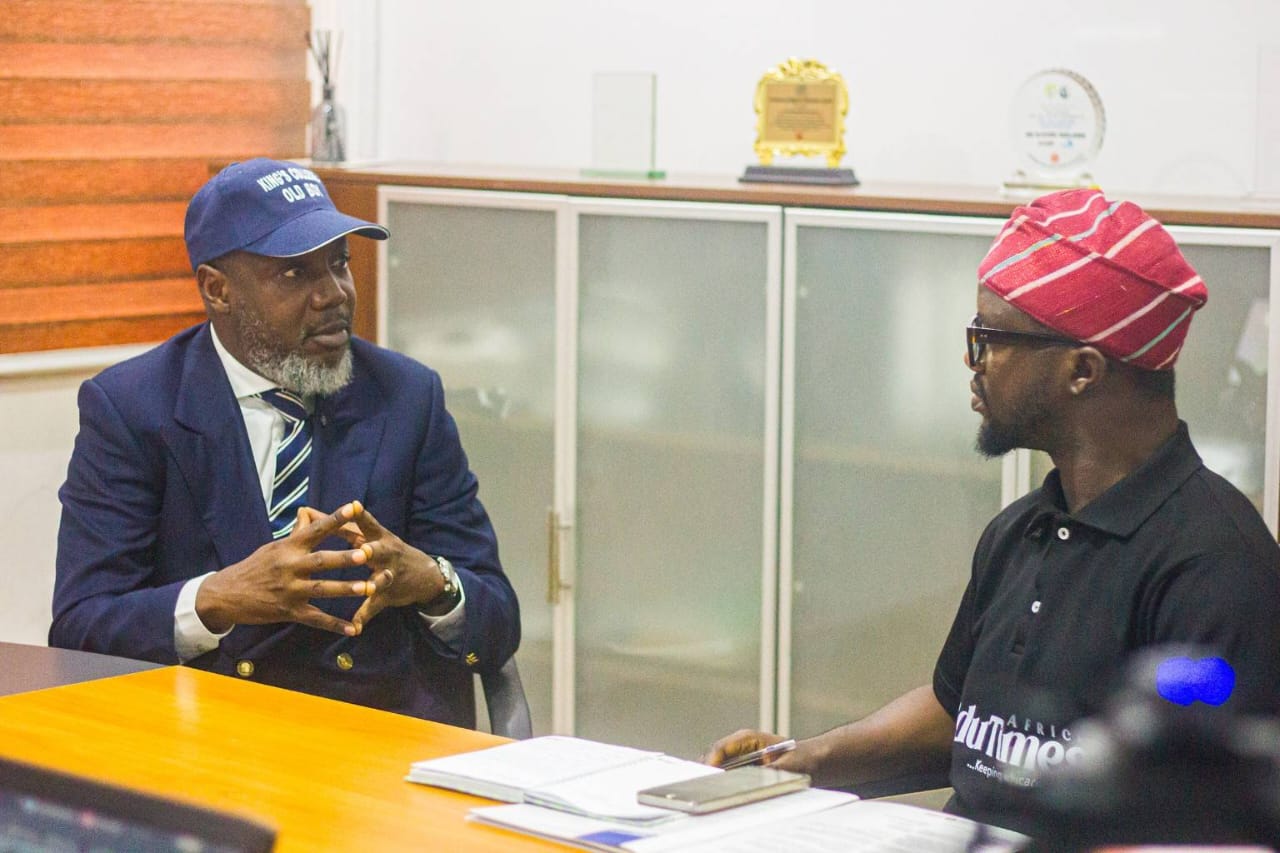


In an attempt to seek clarity, answers and clarifications to the many questions, concerns and misconceptions surrounding the proposed King’s College concession, EduTimes Africa sat down with a member of the Executive Committee of the King’s College Old Boys Association (KCOBA) and Chairman of the 2026 King’s Week Planning Committee, Sir Gbolahan Olayomi.
The conversation, held on September 28, 2026, was anchored by EduTimes Africa’s Senior Reporter and Newsroom Director, Folaranmi Ajayi, who came prepared with some of the most talked-about and difficult questions that have generated debate among parents, students, old boys and members of the public in recent weeks.

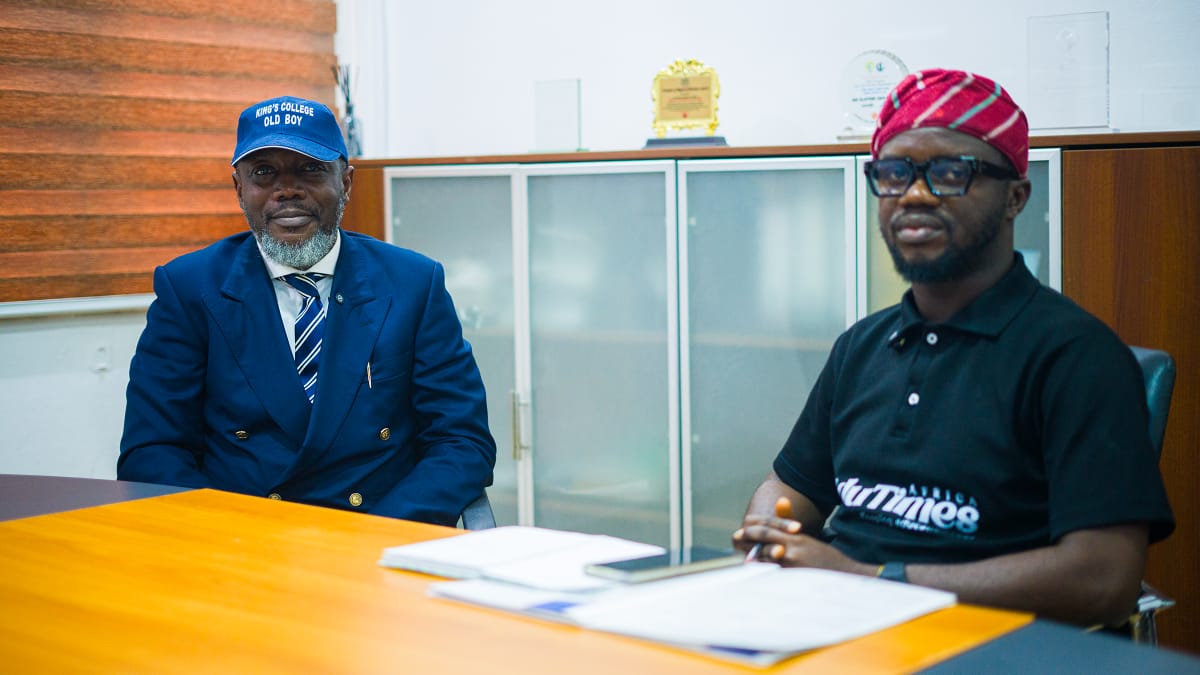
Throughout the interview, Olayomi addressed concerns ranging from ownership of the school and the role of the Old Boys Association to school fees, teachers’ welfare and allegations surrounding the institution. One of the most persistent concerns has been whether the concession amounts to a sale of King’s College. Olayomi was quick to dismiss that notion.
EduTimes Africa: Is the proposed concession effectively a sale of King’s College to the Old Boys Association?

Sir Gbolahan Olayomi: No. The association never requested to purchase King’s College, and the Federal Government never put up a bid for the sale of the college. What we have is a public-private partnership between the Federal Ministry of Education and the King’s College Old Boys Association through the King’s College Education Trust. It does not in any way transfer ownership of King’s College to the Old Boys Association.
EduTimes Africa: If the old boys have been donating to the school for decades, why pursue a concession instead of continuing with donations?
Olayomi: We have been donating for decades. We have made significant contributions and executed projects, including interventions during the centenary celebrations. But the challenge is sustainability. You can put something in place and come back 90 or 120 days later and it is as if you did nothing. That is why we believe there needs to be a sustainable management framework.

EduTimes Africa: So, beyond infrastructure, what exactly is the association trying to achieve?
Olayomi: The main thing we’re after is the restoration of the King’s College boy. Every other thing is secondary. We want to restore the discipline, confidence, leadership culture and sense of identity that once distinguished King’s College students.
EduTimes Africa: There are concerns that the concession could lead to higher school fees. Should parents be worried?
Olayomi: The school fee structure will remain at par. The objective is not to make education at King’s College more expensive but to improve the standard of education and the learning environment.
EduTimes Africa: What about the condition of the school itself?
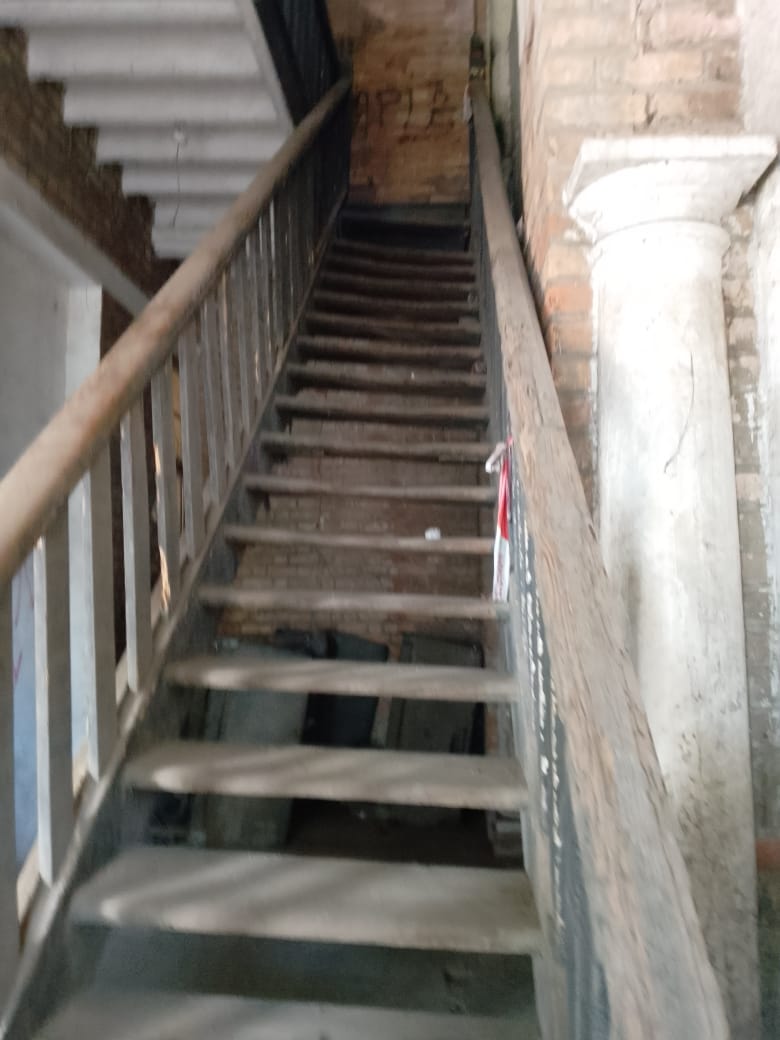
Olayomi: There are legitimate concerns around infrastructure, sanitation, technology and general learning conditions. The diphtheria outbreak recorded in the college last year should also make any parent concerned about the condition of the school. We need to ask how such things could happen and what can be done to prevent them.
EduTimes Africa: What happens to the teachers under the proposed arrangement?
Olayomi: No tutor in King’s College loses their job. Their jobs are 100 per cent safe under their employer, the Federal Ministry of Education. They would remain employees of the ministry. They would also have the option of voluntarily joining the King’s College Education Trust if they consider the package beneficial.
EduTimes Africa: Will the proposed concession affect teachers’ professional development?
Olayomi: King’s College Education Trust is going to raise world-class tutors. There will be investment in teacher development, training, exposure and digital learning. We want teachers to have opportunities to improve their skills and adapt to the changing educational environment.
EduTimes Africa: There have been several allegations and controversies surrounding King’s College. How should the public approach these claims?
Olayomi: We don’t deal with gossip. We always deal with the facts. Issues concerning admissions, infrastructure, sanitation and school management should be examined through evidence and proper investigation.
EduTimes Africa: You mentioned the condition of the students. What concerns you most?
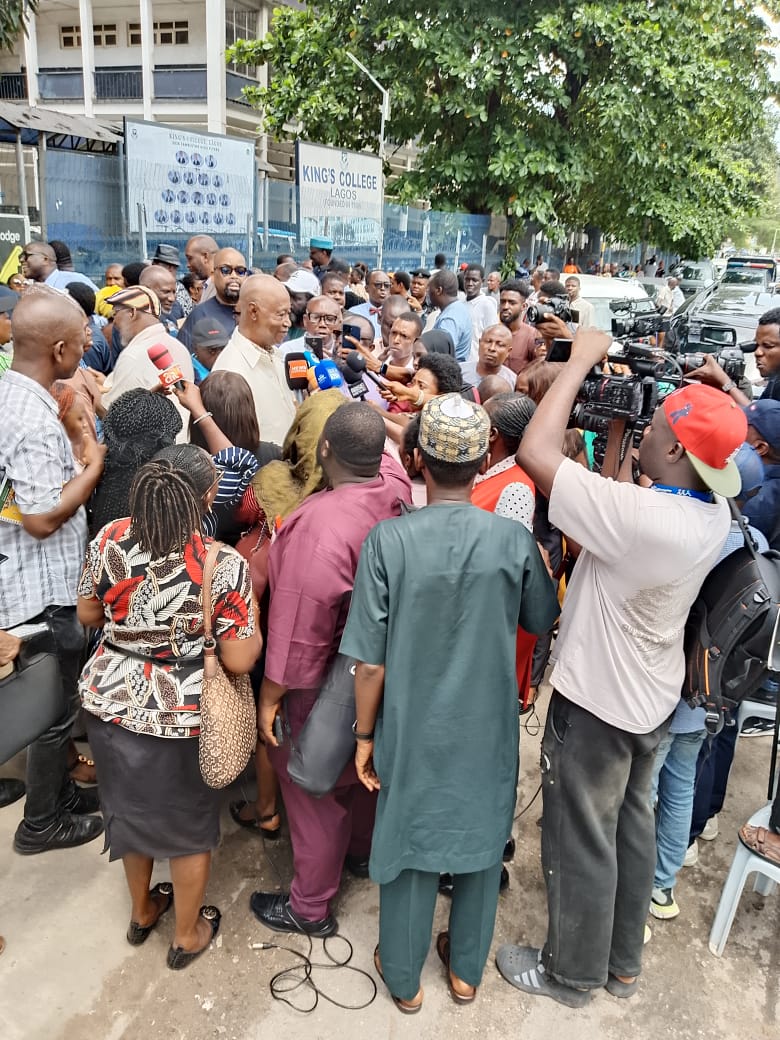
Olayomi: One of the most painful moments in recent years was seeing King’s College students carrying placards and protesting publicly while wearing the school’s uniform. That was an assault on the college boy, on his character and on his upbringing as a King’s College boy.
EduTimes Africa: Did KCOBA study other concession models before arriving at this proposal?
Olayomi: Yes. We have approached quite a number of colleges using similar models to share experiences. We have humbled ourselves to study and learn. However, one fact that is not disputable is that the concession model works.
EduTimes Africa: Ultimately, what should parents, students and other stakeholders expect from the concession?
Olayomi: The objective is to restore King’s College’s infrastructure, educational standards and culture of excellence while preserving its ownership and protecting the welfare of teachers and students.
Edutimes Africa: There has been talk of a proposed ₦100 billion endowment fund for King’s College. What exactly is the purpose of this fund, and how will it support the school?
Olayomi: The proposed endowment is part of the long-term financing structure being considered for King’s College. The idea is to create a sustainable financial base that can support the rehabilitation, maintenance and development of the institution, rather than relying solely on occasional donations from old boys.
The association has been contributing to the school for decades, but the concern is that one-off interventions may not be enough to sustain the improvements made. The endowment is therefore intended to provide a more permanent funding structure for the college and help ensure that investments in infrastructure and other areas are maintained over time.
Edutimes Africa: The diphtheria outbreak at King’s College raised concerns among parents and the public about the condition of the school. Did incidents like this contribute to the decision to pursue the concession?
Olayomi: Any parent should have been concerned about how that could happen. The incident highlighted some of the challenges facing the college and reinforced the need for urgent intervention.
For us, the issue is not just about buildings. It is about the overall environment in which students are learning, including sanitation, infrastructure, technology and general welfare. These are areas that require attention if King’s College is to provide the standard of education and environment that its students deserve.
EduTimes Africa: But these are only some of the questions raised during the conversation.
What exactly does the proposed concession mean for King’s College? How will the ₦100 billion endowment fund work? What happens to school fees and teachers? How long is the proposed concession expected to last? And what does KCOBA believe the future of the college should look like?
Watch the full interview with Sir Gbolahan Olayomi on the EduTimes Africa YouTube channel as he provides detailed answers to these and other questions surrounding the proposed King’s College concession.
Click link below to watch full video of the interview:
https://www.facebook.com/HelloEduTimes/videos/1110026125090710/?app=fbl














 EduTimes Africa, a product of Education Times Africa, is a magazine publication that aims to lend its support to close the yawning gap in Africa's educational development.