





















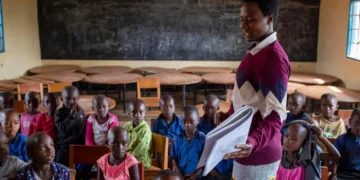

































The Federal Government has unveiled plans to introduce a unique Learner Identification Number (LIN) for pupils from the primary school level as part of efforts to tackle Nigeria’s growing dropout rate. The initiative, spearheaded by the Federal Ministry of Education, is designed to track students’ academic progression and ensure more children transition successfully into secondary education.



Minister of Education, Tunji Alausa, disclosed the development during an interactive session with journalists in Lagos. He highlighted a major gap in the education system, noting that while Nigeria has over 50,000 public primary schools with more than 23 million pupils, only about 3 million move on to junior secondary school in public institutions. He stressed that this disparity points to limited access to education and the urgent need for more schools across the country.

According to the minister, the proposed Learner Identification Number will be assigned to each child and remain with them throughout their educational journey, regardless of school transfers. The system is expected to help authorities identify pupils who drop out and understand the reasons behind it. In addition, the government plans to replace the common entrance examination with continuous assessment, while also working to revive the school feeding programme to boost enrolment and retention in public schools.
















 EduTimes Africa, a product of Education Times Africa, is a magazine publication that aims to lend its support to close the yawning gap in Africa's educational development.