
























As schools across Lagos reopen today for the third term, a familiar rhythm returns—early morning rush, packed lunchboxes, honking buses, and the renewed energy of students stepping into classrooms once again. But beyond the routine, this resumption carries a heightened sense of responsibility, driven by the Lagos State Government’s directive on statewide school inspections.


The Ministry of Basic and Secondary Education has set the tone for the term with its insistence on compliance, safety, and readiness. Inspection teams have been deployed across the state to assess not just physical infrastructure, but also the overall learning environment—sanitation, attendance, and availability of teaching materials. This move signals a clear message: resumption is no longer just about reopening gates; it is about meeting standards.

For many parents, today represents more than a return to academic activities—it is a moment of reassurance. The presence of government-led inspections offers a sense of accountability, especially in a system where concerns about overcrowding, hygiene, and inconsistent teaching quality often linger. With officials actively monitoring schools, expectations are higher for improved learning conditions.

School administrators, on their part, are under pressure to deliver from day one. The directive to begin teaching immediately leaves little room for the slow starts that have historically characterised some resumption periods. Record-keeping, punctuality, and structured lesson delivery are now part of the checklist being scrutinised.


Teachers also step into the term with renewed expectations. Beyond completing the curriculum, they are expected to sustain engagement, maintain discipline, and align with the standards set by the state. In a term often considered shorter and more intense, efficiency becomes critical.
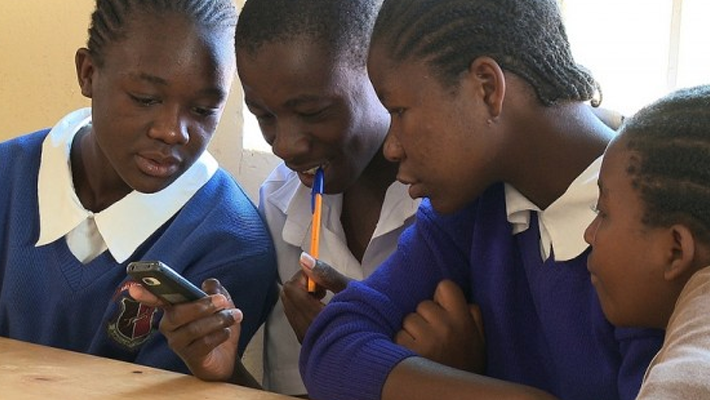
For students, however, the experience is layered. While some return with excitement—reuniting with friends and embracing new academic goals—others face the usual pressures of performance, especially those preparing for external examinations. The environment they meet on resumption day could shape their motivation for the rest of the term.
Education stakeholders have long argued that consistent monitoring is key to improving learning outcomes. The current inspection exercise may serve as both a corrective and preventive measure—addressing lapses while setting a precedent for accountability across public and private schools alike.
As the gates open today, the success of the term will depend not just on policy directives, but on collective responsibility. From government officials to school owners, teachers, parents, and students, each group plays a role in translating expectations into reality.
The third term has begun. The question now is whether the renewed focus on standards and inspections will produce lasting impact—or fade into routine.











 EduTimes Africa, a product of Education Times Africa, is a magazine publication that aims to lend its support to close the yawning gap in Africa's educational development.