













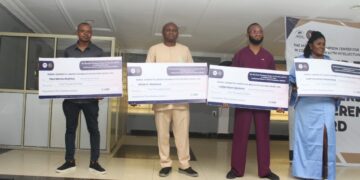




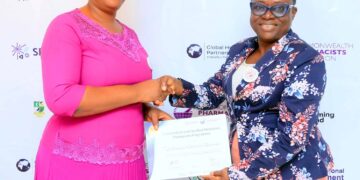


















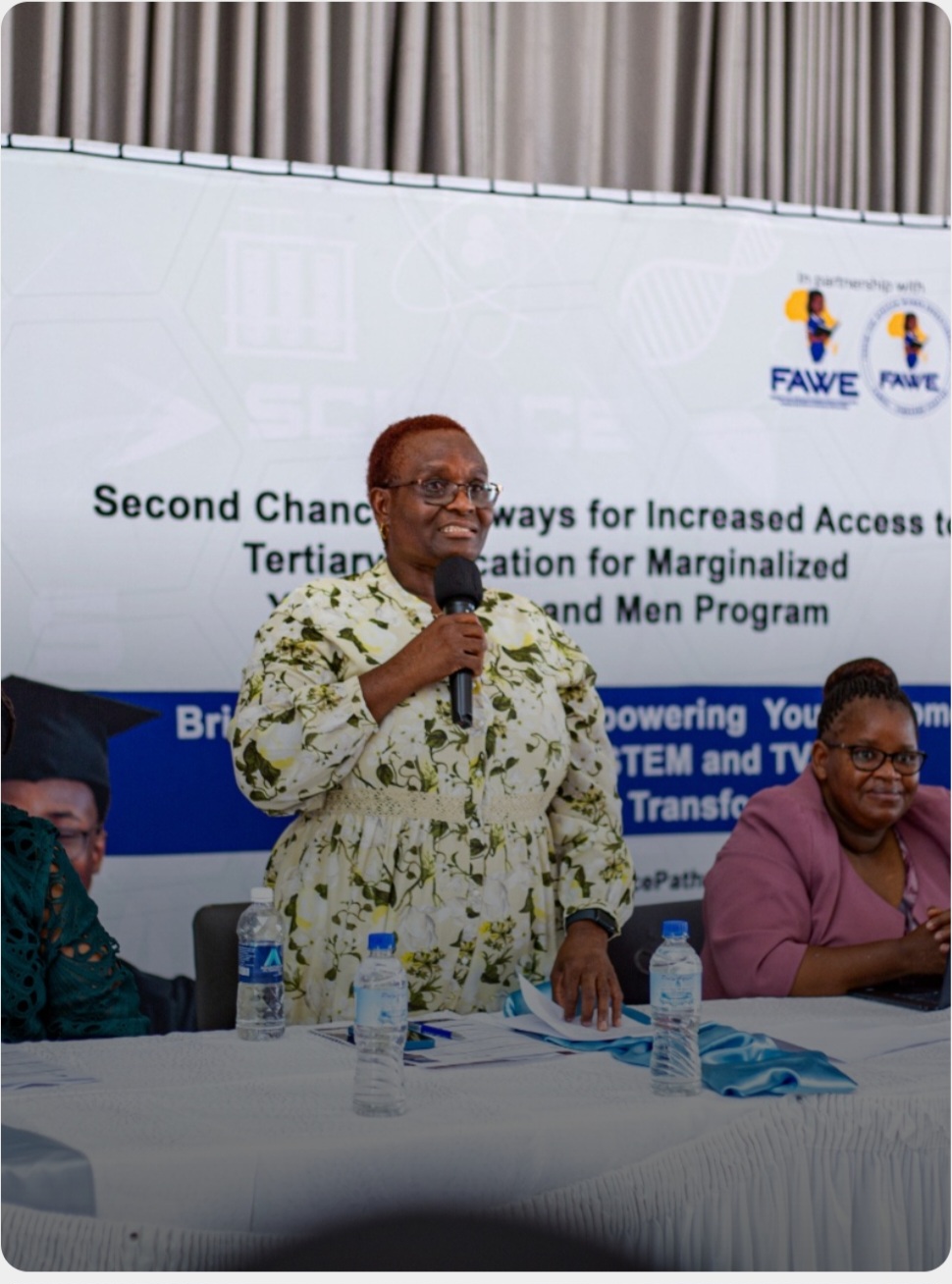


Institutions of higher learning in Zimbabwe have been urged to adopt gender-responsive mechanisms that promote inclusivity and equality, particularly for women facing systemic barriers in tertiary education. The call was made during belated International Women’s Day celebrations organised in Harare by the Forum for African Women Educationalists Zimbabwe, which brought together students and stakeholders to address challenges affecting female learners.


Speaking at the event, a representative of the Tertiary Education Services department, Tafadzwa Mundoga Raviro Mawarire, emphasised the need for non-discriminatory learning environments. She noted that tertiary institutions play a vital role in national development but can only achieve their full potential when campuses are safe, inclusive, and accessible to all students, especially women and persons with disabilities who often face multiple layers of marginalisation.


Also speaking, the Permanent Secretary in the Ministry of Higher and Tertiary Education, Fanuel Tagwira, reaffirmed the government’s commitment to strengthening policies that protect students from sexual harassment and gender-based violence. He added that efforts are ongoing to improve disability inclusion by making campuses more accessible and equipping them with assistive technologies, while ensuring staff are trained to meet diverse student needs.

Executive Chairperson of FAWEZI, Ruth Gora, highlighted persistent challenges faced by women in tertiary institutions, including limited leadership opportunities, underrepresentation in STEM fields, and inadequate infrastructure for students with disabilities. She stressed the need for sustained action to eliminate these barriers and ensure that no young woman is left behind in the pursuit of education.










 EduTimes Africa, a product of Education Times Africa, is a magazine publication that aims to lend its support to close the yawning gap in Africa's educational development.