




































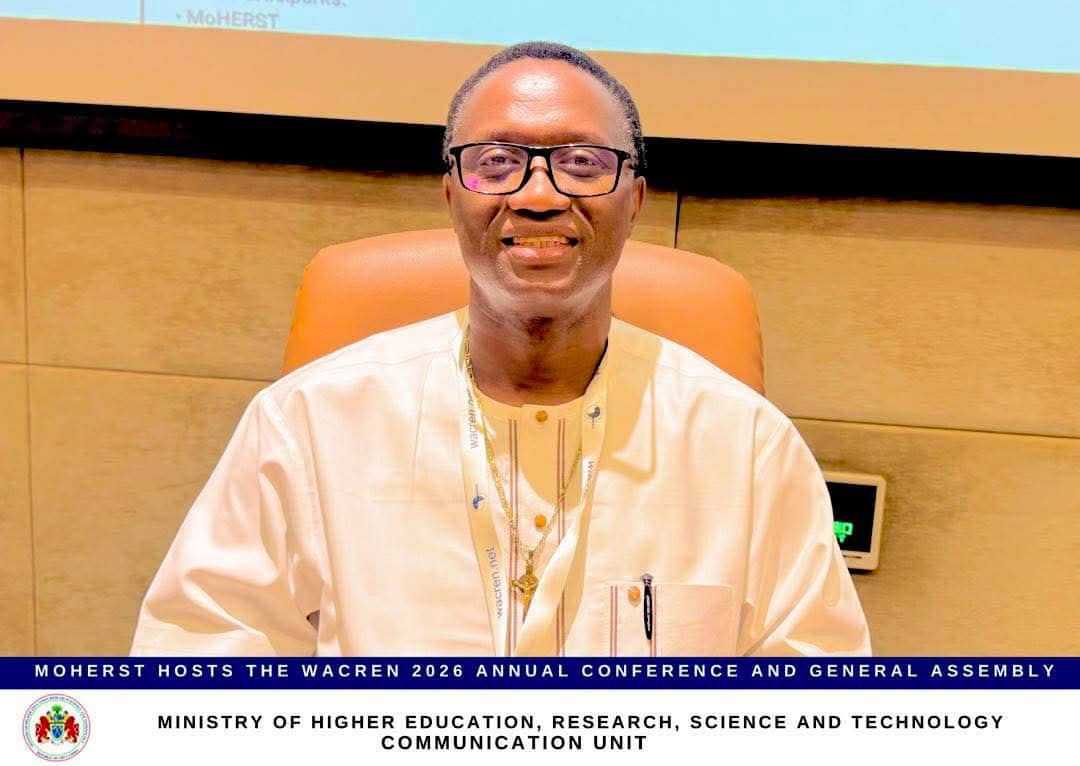


For students and young researchers, access to quality research can sometimes feel limited. But in The Gambia, new conversations are opening up bigger possibilities.

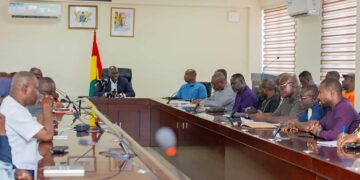
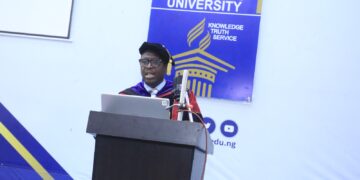
The country recently hosted the LIBSENSE Open Science Symposium, bringing together policymakers, academics, librarians, ICT experts, and international partners to discuss how research can become more open and accessible.

At the event, the Minister of Higher Education, Research, Science and Technology, Pierre Gomez, highlighted a major step forward—the connection of the Gambia Research and Education Network (GAMREN) to a regional network across West and Central Africa.

This means better access to global research resources, collaborations, and knowledge-sharing opportunities for students and institutions.

But the Minister made it clear that internet access alone isn’t enough. He stressed the need for strong policies, proper coordination, and sustainable systems to ensure students and researchers actually benefit from these opportunities.
Referencing the UNESCO 2021 Recommendation on Open Science, he called for more investment in research infrastructure and better visibility for locally produced knowledge.
For young people in higher institutions, this shift toward Open Science could mean easier access to academic materials, more opportunities to publish, and a stronger voice in global research conversations.
The symposium is expected to shape how Open Science is adopted nationally—something that could redefine how knowledge is shared and used in the country.
For students watching from across Africa, it’s a reminder that the future of education isn’t just about learning—it’s also about access, collaboration, and being part of a wider knowledge community.
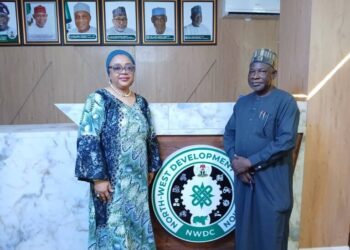







 EduTimes Africa, a product of Education Times Africa, is a magazine publication that aims to lend its support to close the yawning gap in Africa's educational development.