

















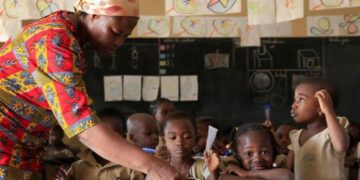



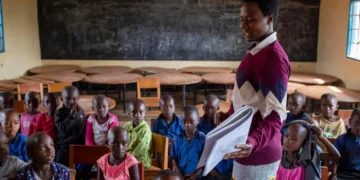































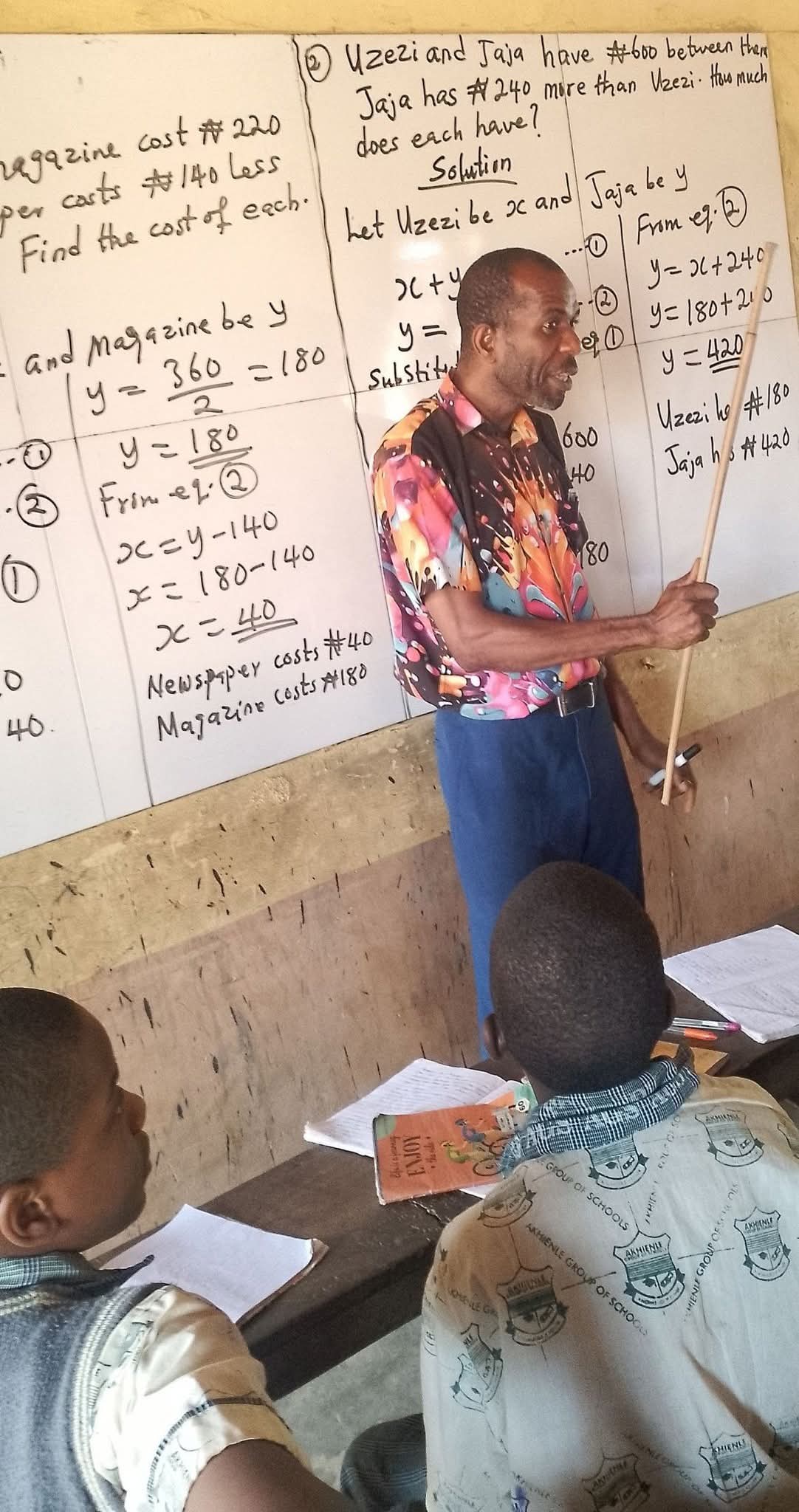


Private schools across Nigeria are grappling with a growing shortage of qualified teachers, a development that is beginning to threaten learning outcomes, school stability, and the broader education ecosystem.



From urban centres like Lagos to smaller towns, school owners say the challenge has worsened in recent years, driven by economic pressures, migration, and declining interest in the teaching profession.

Many private school administrators report difficulties in recruiting and retaining competent educators, particularly in core subjects such as Mathematics, English, and the sciences. In some cases, schools are forced to hire underqualified staff or overburden existing teachers, leading to burnout and reduced instructional quality.
A System Under Pressure

Education experts link the crisis to multiple factors. Poor remuneration remains a major concern, as many private schools—especially low-fee institutions—struggle to offer competitive salaries compared to other sectors. This has pushed many trained teachers to seek alternative careers or relocate abroad in search of better opportunities.
The issue also reflects deeper systemic challenges within the education sector, including limited teacher training pipelines and inadequate professional support structures. Regulatory bodies like the Teachers Registration Council of Nigeria have repeatedly emphasized the need for improved teacher standards, but implementation gaps persist.
Parents, too, are beginning to feel the impact. Larger class sizes, frequent teacher turnover, and inconsistent teaching quality are becoming common complaints, raising concerns about the long-term implications for student performance.
Suggested Solutions
Stakeholders say addressing the teacher shortage requires a coordinated and practical approach. The following solutions have been widely recommended:
1. Improve Teacher Welfare and Salaries
Private school proprietors must prioritize better compensation packages, even if incrementally. Offering incentives such as housing support, health benefits, and performance bonuses can make teaching roles more attractive and reduce turnover.
2. Invest in Continuous Professional Development
Regular training, workshops, and certifications can enhance teachers’ skills and job satisfaction. Partnerships with institutions and organizations can help schools access affordable training programmes.

3. Create a Talent Pipeline
Schools can collaborate with colleges of education and universities to recruit fresh graduates. Internship and mentorship programmes can help groom young teachers while filling immediate gaps.
4. Leverage Technology in Teaching
Digital tools and hybrid learning models can help bridge staffing gaps. Recorded lessons, virtual classes, and shared teaching resources can reduce the pressure on limited staff while maintaining instructional quality.
5. Strengthen Government–Private Sector Collaboration
There is a growing call for policy support from government agencies like the Federal Ministry of Education Nigeria. Subsidies, grants, or tax relief for private schools investing in teacher development could ease financial burdens.

6. Elevate the Status of the Teaching Profession
A broader cultural shift is needed to reposition teaching as a respected and rewarding career. Public campaigns, recognition awards, and clear career progression pathways can help attract more talent into the profession.
7. Retention Through Workplace Culture
Creating a supportive work environment—where teachers feel valued, heard, and motivated—can significantly improve retention. Leadership style and school culture play a critical role in this regard.
While private schools remain a vital part of Nigeria’s education system, their sustainability depends heavily on the availability of qualified and motivated teachers. Without urgent intervention, the shortage could deepen learning gaps and undermine educational standards.
For now, stakeholders agree on one thing: solving the teacher shortage is not just a private school problem—it is a national priority that demands immediate and sustained action.













 EduTimes Africa, a product of Education Times Africa, is a magazine publication that aims to lend its support to close the yawning gap in Africa's educational development.