




















































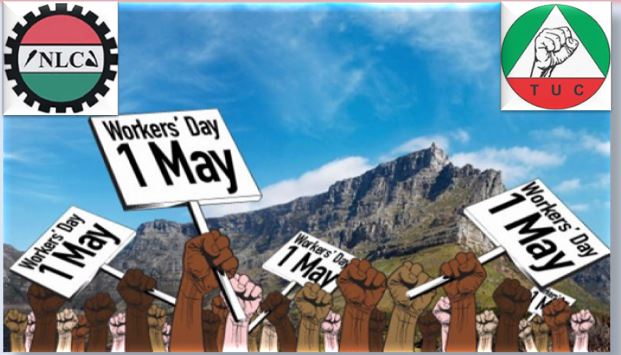


Every May 1, Nigeria joins the rest of the world to celebrate Workers’ Day, also known as Labour Day or International Workers’ Day. It is a public holiday set aside to recognise the contributions, sacrifices and achievements of workers across different sectors.



What is Workers’ Day?

Workers’ Day is a global celebration of labour and the struggles that shaped modern working conditions. It honours the efforts of workers and the labour movement in securing rights such as fair wages, safer workplaces and reasonable working hours.
The Origin of May Day

The choice of May 1 is rooted in labour history. In 1886, workers in the United States organised mass protests demanding an eight-hour workday. The demonstrations, particularly in Chicago, led to significant reforms and became a defining moment in labour rights history.
By 1890, socialist and labour organisations in Europe officially declared May 1 as a day of international solidarity for workers. Since then, it has grown into a global observance marked by rallies, parades and advocacy for workers’ rights.
Global Perspectives
While May 1 is widely recognised, countries like the United States and Canada celebrate Labour Day on a different date, typically the first Monday in September. Across Europe, Africa and parts of Asia, however, May Day remains the dominant date for honouring workers.
Historically, the day also took on political significance in countries like the former Soviet Union, where it was marked by large state-sponsored parades. Today, celebrations vary, from protests and union gatherings to relaxed social events.
Workers’ Day in Nigeria
In Nigeria, Workers’ Day has been observed as a national public holiday since 1981. The celebration typically features speeches from labour leaders, especially the Nigeria Labour Congress, alongside government representatives.

It is a day when workers reflect on progress made, while also drawing attention to ongoing challenges such as wages, working conditions and employment opportunities.
Why It Matters
Beyond the celebrations, Workers’ Day serves as a reminder of the ongoing need to protect workers’ rights and promote decent work. It highlights the role of labour in national development and the importance of policies that support productivity and welfare.

A Day of Reflection and Appreciation
For many, the day is also an opportunity to rest, connect with family and appreciate the value of work in everyday life. Schools and most businesses remain closed, allowing workers to fully participate in the observance.
As the world of work continues to evolve, Workers’ Day remains a powerful symbol of unity, resilience and the enduring quest for fairness in the workplace.














 EduTimes Africa, a product of Education Times Africa, is a magazine publication that aims to lend its support to close the yawning gap in Africa's educational development.