






















































At a time when conversations around education reform are gaining momentum in Nigeria, a growing number of scholars are warning that the removal of mother-tongue instruction from national policy could have far-reaching consequences for learning, culture, and national development.



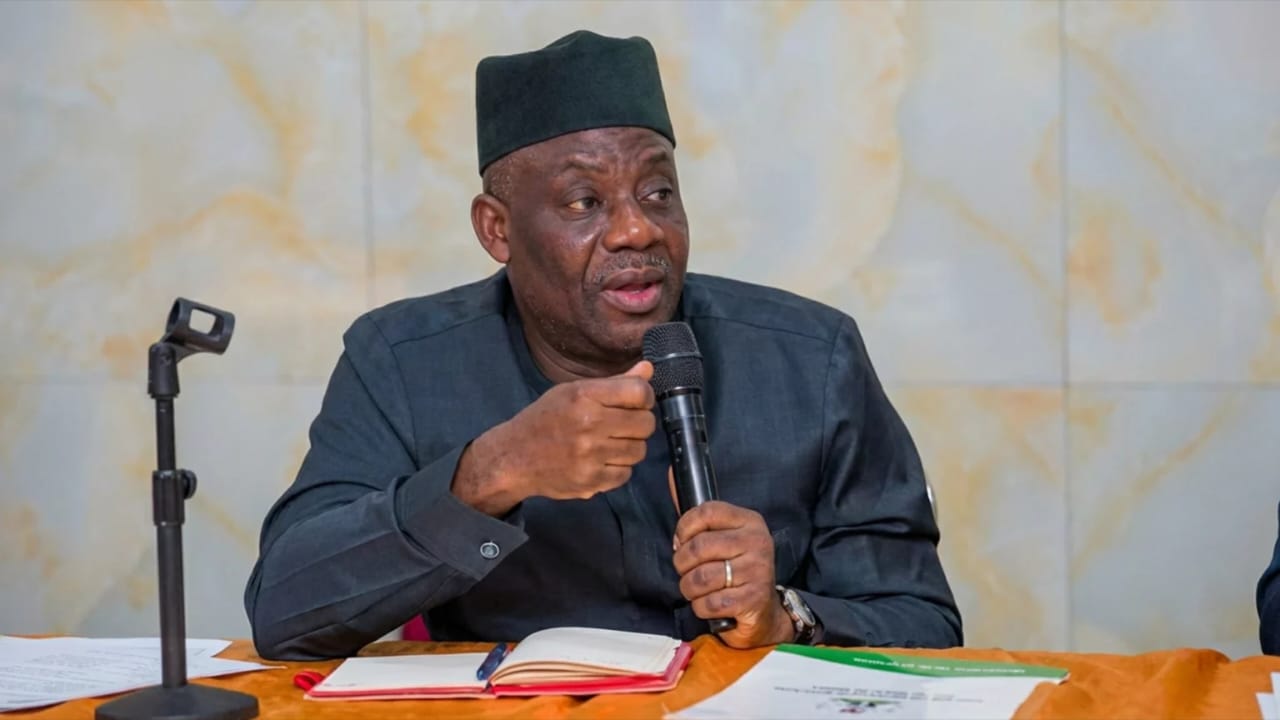
This concern took centre stage at a recent discourse held at the University of Ibadan Senior Staff Club, where academics and policy stakeholders gathered to examine the future of indigenous languages in education under the theme, “Education in the Mother Tongue in Nigeria: To Be or Not to Be?”

The discussion follows the Federal Government’s decision, announced by the Minister of Education, Maruf Tunji Alausa, to cancel the National Language Policy.
The policy, approved in 2022, had mandated the use of indigenous languages as the medium of instruction from early childhood through primary school.


For many scholars at the event, the decision represents more than a policy shift—it signals a deeper educational and cultural concern.
Leading the conversation, Ayo Bamgbose Egbokhare described the cancellation as a historic setback, noting that it leaves Nigeria without a clearly defined national language framework for the first time since independence. He argued that continued reliance on English as the dominant language of instruction risks eroding indigenous languages and disconnecting children from their cultural roots.
According to him, language goes beyond communication—it is tied to identity, economic potential, and societal development. He warned that sidelining indigenous languages could amount to what he termed “linguistic amnesia,” where future generations lose touch with their heritage and the opportunities embedded within it.
Adding to the debate, Durotoye Adeleke questioned the rationale behind the policy reversal, especially at a time when many countries are strengthening the use of local languages in their education systems. He suggested that such a move may widen the gap between the elite and the broader population, rather than promote inclusive learning.
From an institutional perspective, Clement Kolawole emphasised that language remains a core vehicle for expressing civilisation and knowledge systems.
Ignoring it, he noted, could limit Nigeria’s ability to develop a truly rooted and globally competitive education system.

Policy stakeholders also weighed in.
Bamidele Oyinloye described the cancellation as a potential threat to national cohesion, urging government to focus on reforming implementation challenges rather than discarding the policy altogether. She also highlighted the role of families, encouraging parents to actively use indigenous languages at home to sustain linguistic heritage.
Beyond the academic arguments, the issue raises broader questions about the direction of Nigeria’s education system: Should learning prioritise global accessibility through English, or local relevance through indigenous languages or find a balance between both?
For many at the discourse, the answer is clear. They argue that preserving and integrating indigenous languages into formal education is not a step backward, but a strategic investment in cognitive development, cultural continuity, and national identity.
As debates continue, the call from scholars remains firm—education policy, they insist, must not only prepare students for the global stage but also ground them in the linguistic and cultural realities that shape who they are.
Credit: ThePunch













 EduTimes Africa, a product of Education Times Africa, is a magazine publication that aims to lend its support to close the yawning gap in Africa's educational development.