





















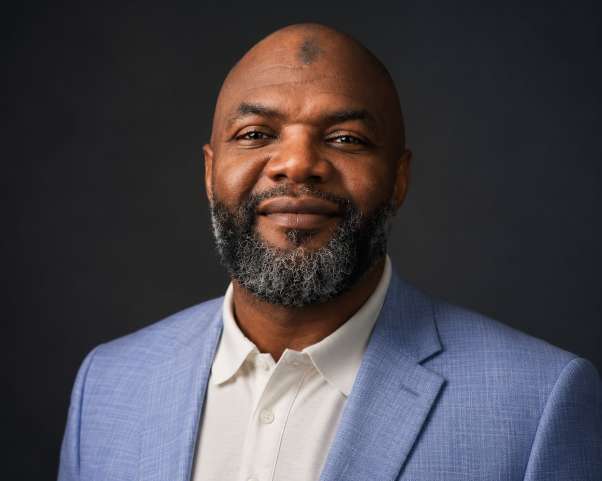


As Nigeria seeks to reposition its education system for a future shaped by artificial intelligence, robotics and innovation, a growing number of educators are challenging traditional approaches to teaching and learning. Among them is Abba Saidu—an engineer, education innovator and project management professional whose work is redefining how young people engage with STEM education.
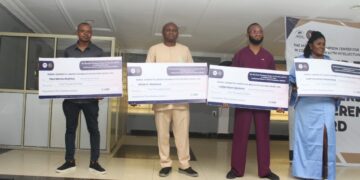
As the driving force behind the Abuja Hackathon 2026, Saidu has championed a movement that encourages students to move beyond memorisation and become practical problem-solvers capable of developing solutions to real-world challenges. Under his leadership, the initiative attracted more than 600 schools across Nigeria, with 161 teams progressing to the national stage, demonstrating the country’s growing appetite for innovation-driven education.
Beyond the hackathon, Saidu has built a reputation for nurturing excellence through robotics, coding, artificial intelligence and maker-space education. His vision extends beyond competitions; he advocates an education system that equips learners with creativity, critical thinking, collaboration and the confidence to become creators rather than mere consumers of technology.
In this exclusive interview with EduTimes Africa, Abba Saidu reflects on his journey from engineering to education, the philosophy behind the Abuja Hackathon, the future of STEM education in Nigeria, and why empowering young people to solve local problems may be the nation’s greatest investment. He also shares his thoughts on leadership, partnerships, innovation and the transformative power of education in shaping Africa’s future.
——–
You might also like thesePosts



Thank you for joining us for this cover interview for Edu Times. To start, please tell us who you are and what drives you.
First of all, I see myself as human — before nationality, geography, or religion. I’m a problem solver and a critical thinker who gives rationale to ideas, especially when things are out of the ordinary. I like change and consider myself a changemaker. I’ve often worked from the shadows, but I’m coming out more because some things need public action. Professionally, I’m an engineer and an educator. I love basketball and football and I support Nigeria and Africa. What drives me is the need for change — making systems and lives better.

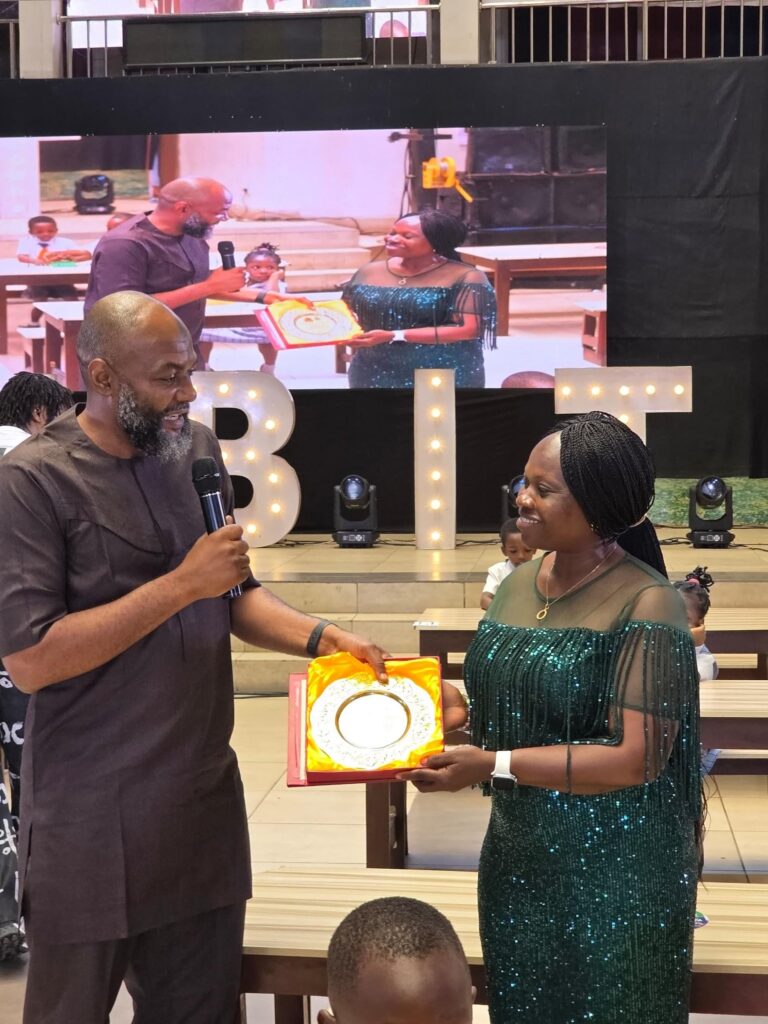
The Abuja Hackathon 2026 has been described as more than a competition — a movement to redefine STEM education in Nigeria. What inspired that vision, and what gaps in our education system were you determined to address?
To answer that, we need to look at the past, present, and future. Our education system doesn’t address current or future needs well, especially given tools like AI that are now available. We wait too long to empower students to solve real problems; often a child could solve a practical, local problem if given the right encouragement and tools. The system certifies people after years instead of training them to be practical problem solvers from an early age. That systemic gap — the delay in fostering practical problem solving and innovation — inspired the hackathon. I believe even a five-year-old can come up with solutions to basic problems if we cultivate that habit: identifying issues, applying science, engineering, art, and math, and iterating. We need to reorient education toward usefulness and local impact.
Over 600 schools entered the competition, with 161 teams reaching nationals. What does that level of competition tell you about the appetite for innovation among Nigerian students and schools?
It tells me there’s an awakening. Students and schools are hungry for change; they’re tired of things that don’t make much impact. We were surprised by the turnout — it exceeded expectations — and it shows there’s drive and appetite for innovation. To be candid, we should do deeper research to understand the exact drivers of this desire, but clearly students want to do more than the status quo. They want practical, meaningful work.


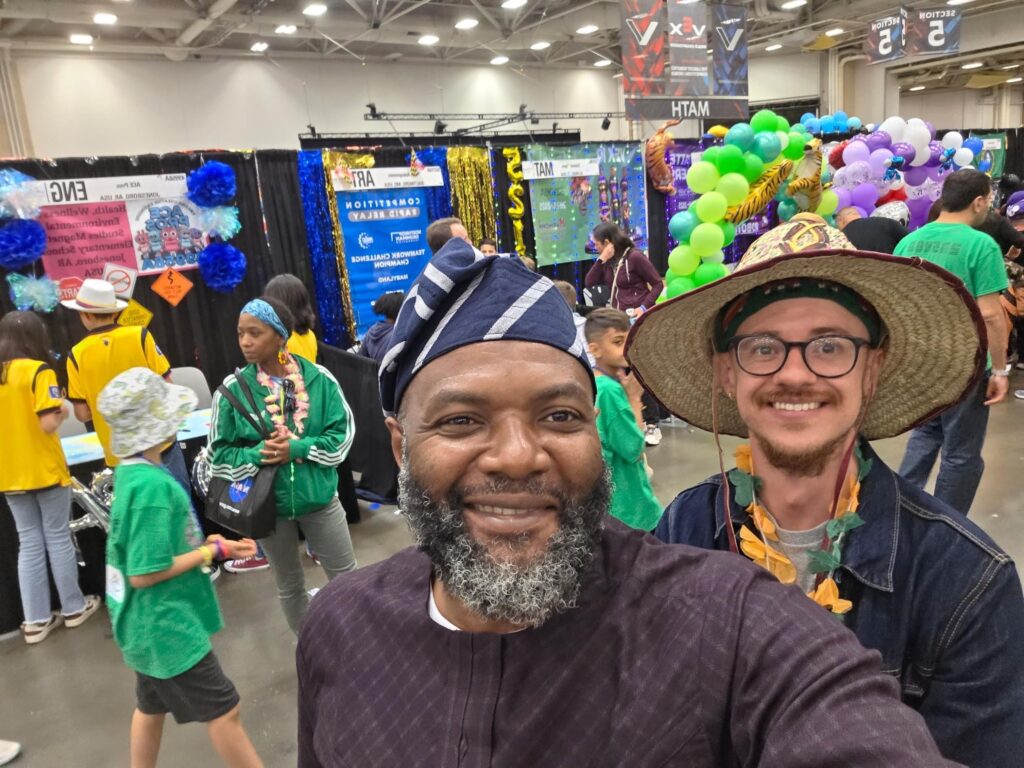
The Abba Hackathon 2026 challenges students to develop practical solutions to real Nigerian problems — from healthcare to disaster response to infrastructure. Why is problem-based learning essential for preparing young people for the future?
Problem-based learning is practical and changes narratives. Traditional teaching often tests memorization rather than solving real issues; that’s “garbage in, garbage out” in many cases. Problem-based learning pushes students to find root causes, develop empathy for users, and craft realistic solutions. When teenagers work on real problems, they learn to think critically, collaborate, and apply knowledge meaningfully. That prepares them for real-world complexity — especially in Nigeria, where challenges are deep and require practical thinking.
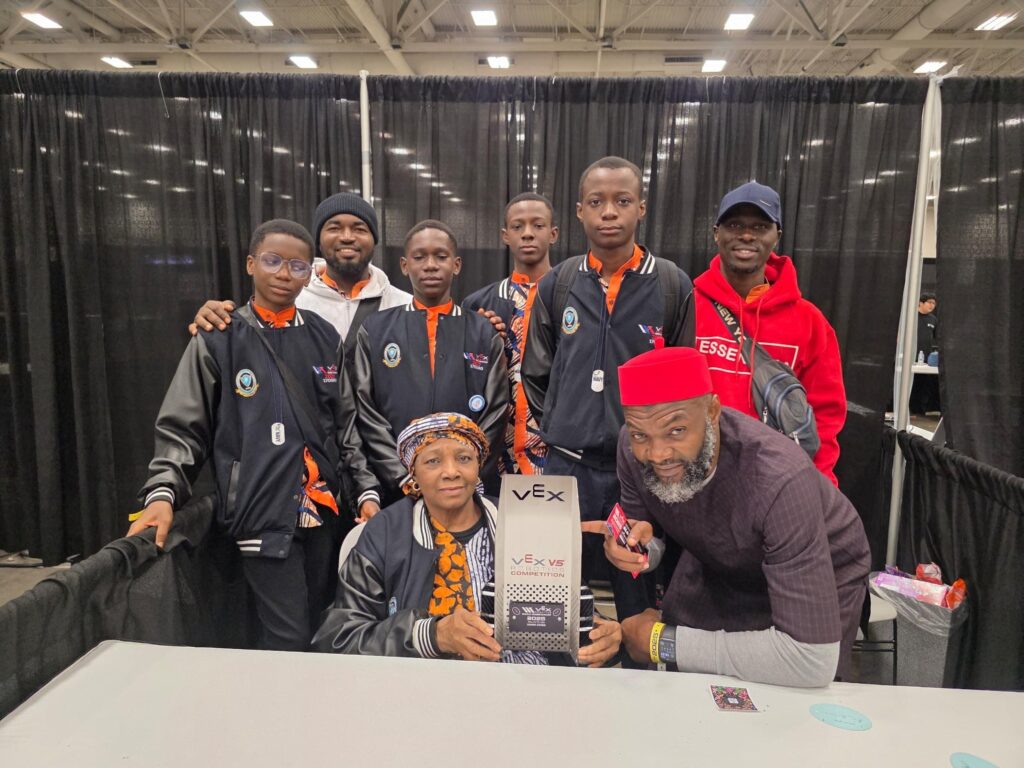
Glisten International Academy has consistently produced students who excel in robotics, coding, AI, and global competitions. What principles and cultures enabled that success?
It starts with years of preparation: consistent learning, networking, and partnerships both inside and outside Nigeria. The culture is driven by clear values: inspiration, desire for change, willingness to learn, unlearn, and relearn, and a commitment to standards and execution. Leadership is crucial — articulating vision, setting standards, and building processes and SOPs. Quality systems, consistent practice, and preparing students to be lifelong learners are what produce repeatable excellence in robotics and technology competitions.
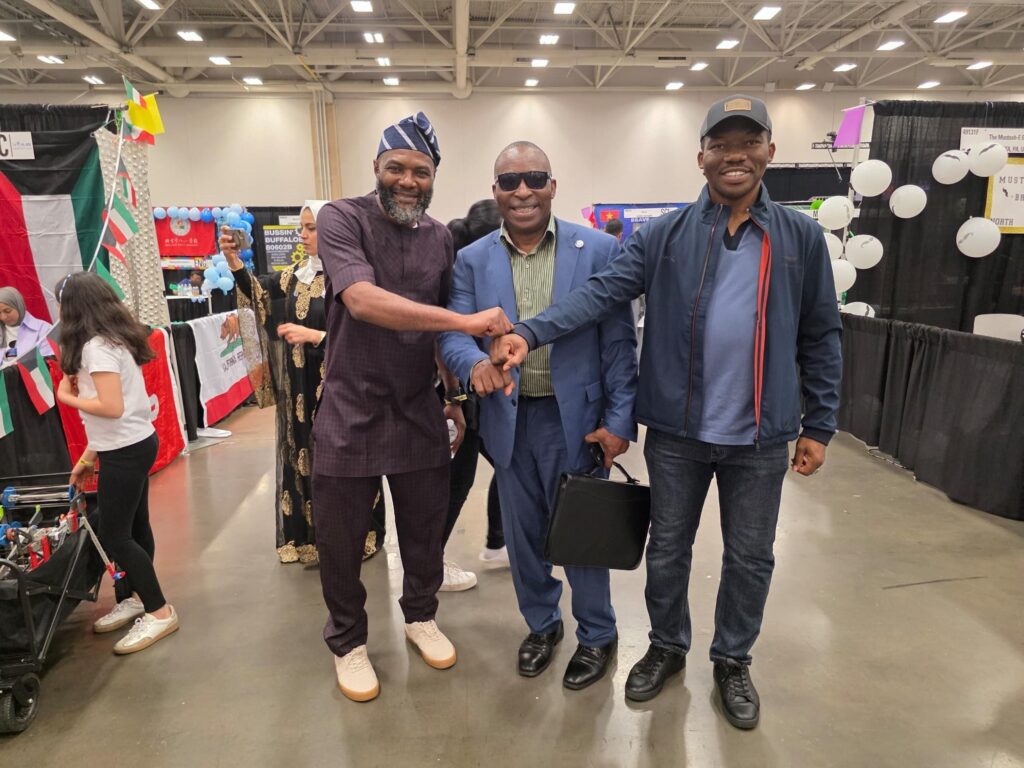
Abuja Hackathon 2026 brought together government agencies, financial institutions, tech companies, and academic partners. How important is collaboration between education, industry, and public institutions to building a thriving innovation ecosystem in Nigeria?
It’s essential — the backbone of progress. Collaboration is a must if we want meaningful achievements. But it’s hard work: alignment of vision, grit, persistence, and the willingness to take risks are needed. Many institutions wait to see success before committing, which fragments the ecosystem. Initiatives like this hackathon help piece things together, but the ecosystem remains fragmented. Real progress requires sustained partnership, shared goals, and platforms where all stakeholders can plug in and work for students first.
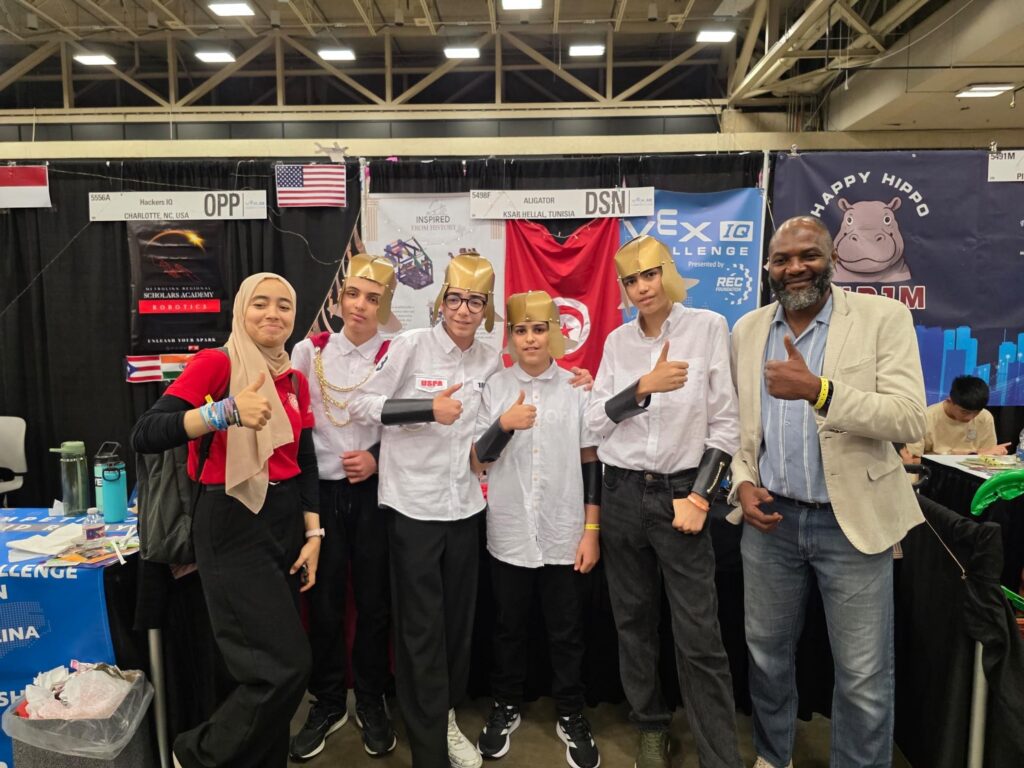
One of the biggest rewards for winning teams is the chance to represent Nigeria at the World Robotics Competition in China. Beyond medals and exposure, what lasting impact do you hope such experiences will have on young innovators?
International competitions are life-changing. Exposure to peers from India, China, Singapore, Kenya, South Africa and beyond broadens students’ perspectives, builds friendships, and can alter career trajectories. Students return motivated, with new ideas and networks that can lead to collaborations, and lifelong partnerships. Seeing different approaches and cultures working on similar problems is immensely inspiring and transformative.
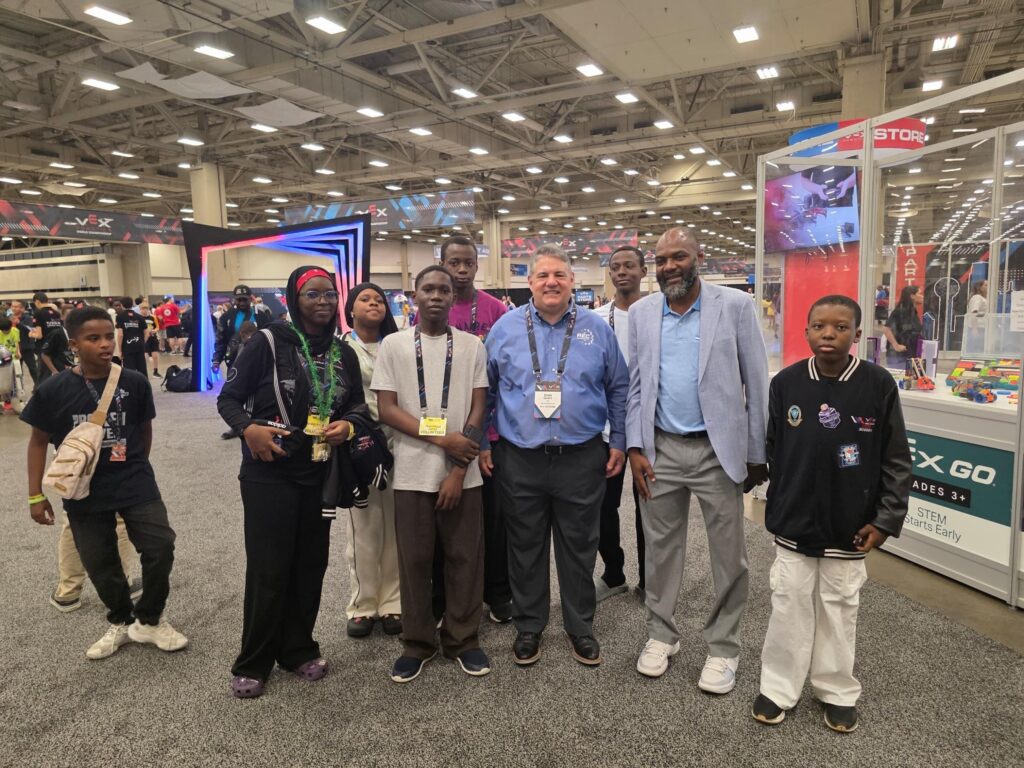
With a background in engineering, project management, education, and innovation, how do you balance developing technical competence with nurturing creativity, leadership, and character in the next generation?
I don’t have a perfect formula, but I try to create balance through intersecting disciplines. Sport helps — it’s a neutralizer and an accessible way to teach teamwork, resilience, and discipline. Nurturing creativity requires inspiration, self-belief, and opportunities to discover and apply talents. Leadership and character come from mentoring, setting goals, and helping students write and work toward visions for themselves and their communities. It takes consistent effort: reawakening focus, framing challenges, and guiding students to think about where they want to be in one, two, three, or five years. It’s a lot of work, but practical activities, sports, and mentorship help create a balanced development.
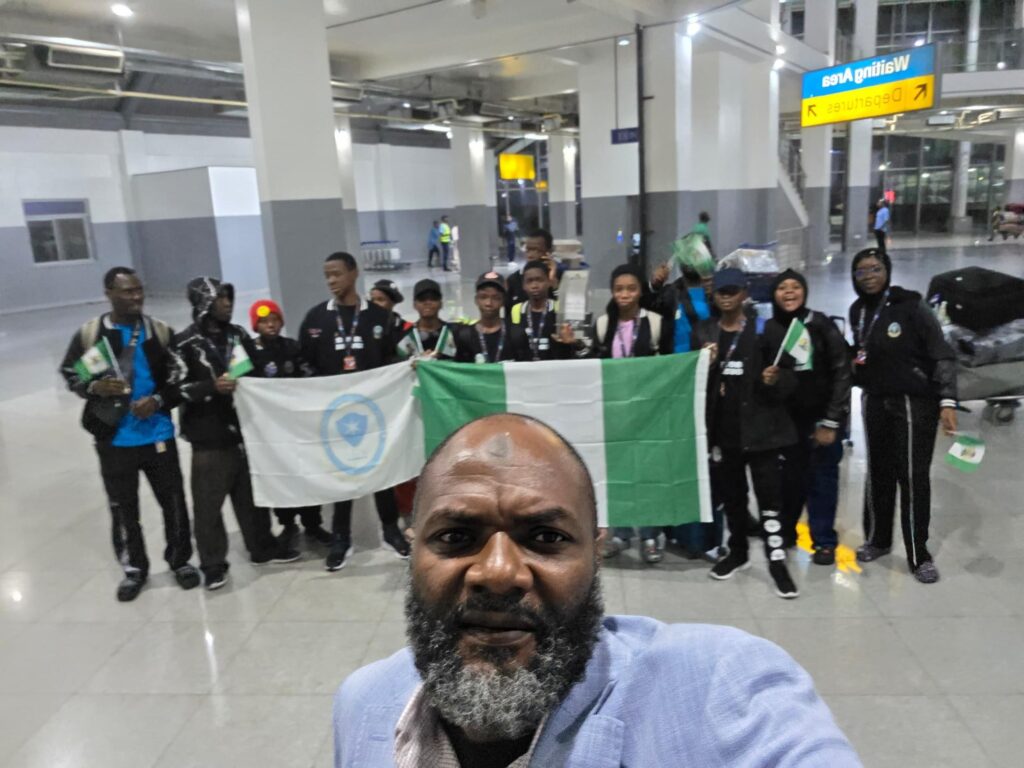
You’re a highly qualified engineering project manager. What drew you to education and the tech space in particular?
My mother, an educationist, drew me to education. Growing up in a linguist household, I was careful about English and loved mathematics. I was always fixing things and knew early I would be an engineer. Initially I aimed for computer engineering, but circumstances led me to civil engineering and later to engineering project management for my master’s at Coventry University. My mother’s influence, the practical nature of civil engineering, and an inclination to solve real problems steered me toward education and integrating technology into learning spaces.
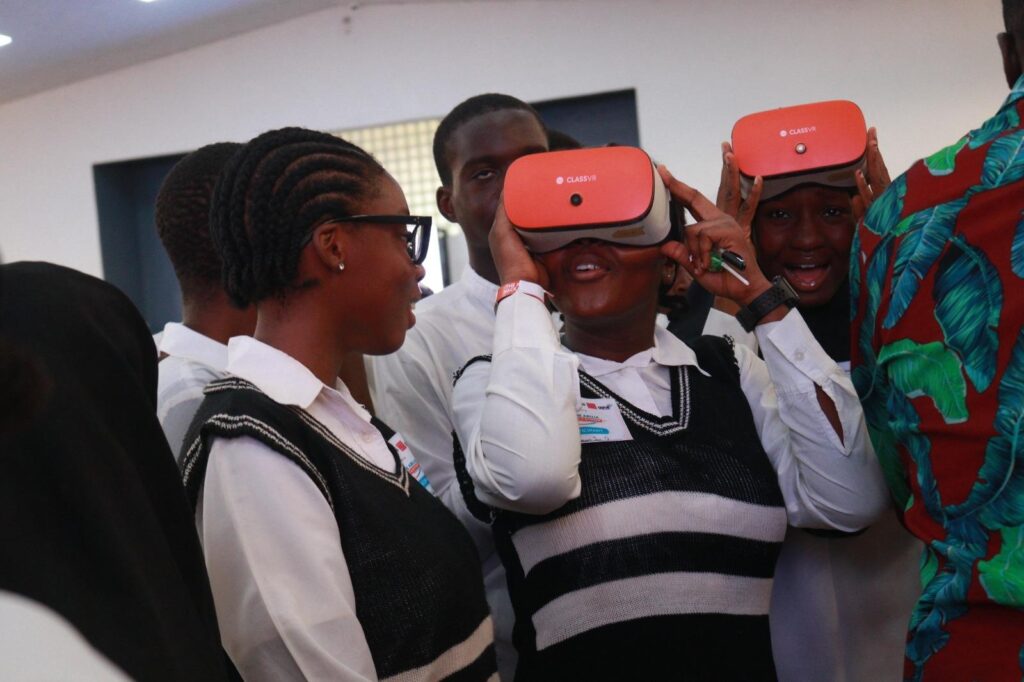
Looking ahead, what’s your long-term vision for the Abuja Hackathon and the maker-space movement? If everything goes according to plan, what will STEM education in Nigeria look like in 10 years?
The Abuja Hackathon should grow beyond Abuja into a national event showcasing the best of Nigeria. Ideally, we’d run events in the six geopolitical zones with a national final — but that requires partnerships and sponsorship. The vision is an open tree that anyone can plug into: a platform centered on students’ needs. The maker-space movement should redefine spaces as learning spaces — places where people create instead of merely consuming technology. We must encourage learners to be creators and makers. In 10 years, I hope to see breakthroughs: a Nigeria where technology amplifies culture, creativity, and practical problem solving; where more young people are creators and innovators, not just consumers. I’m optimistic — Nigeria has abundant talent and untold stories; the best is yet to come.
Thank you. Any closing thoughts?
Thank you for the questions and for the magazine’s work. I’m always willing to partner and to learn. Even the youngest learners can teach us something new. Let’s keep the focus on students and build platforms where they can thrive. Best of luck, and I’m excited for what we can do together.
Thank you. We look forward to that too.
Publicity and Exhibitions: 1. August 9, 2020: First virtual display in a meeting with National Information Technology Development Agency (NITDA).
2. Late August 2020: Maiden physical exhibition at Cairo Egyptian Hospital Garki.
3. Mid-September 2020: Exhibition at NITDA headquarters.
4. September 2020: Featured by British Broadcasting Corporation (BBC) and aired globally in November.
5. September 2020: Filmed by News Agency of Nigeria and aired.
6. November 2020: Showcased on Channels Television news.
7. December 2020: Filmed by Nigerian Television Authority (NTA) at the school clinic.
8. January 2021: Filmed by Reuters News Agency.
9. 2020: Virtually exhibited at the National Business and Technical Board (NABTEB) 2nd project exhibition.
10. 2020: Featured in several of Nigeria’s major newspapers.
____________________________
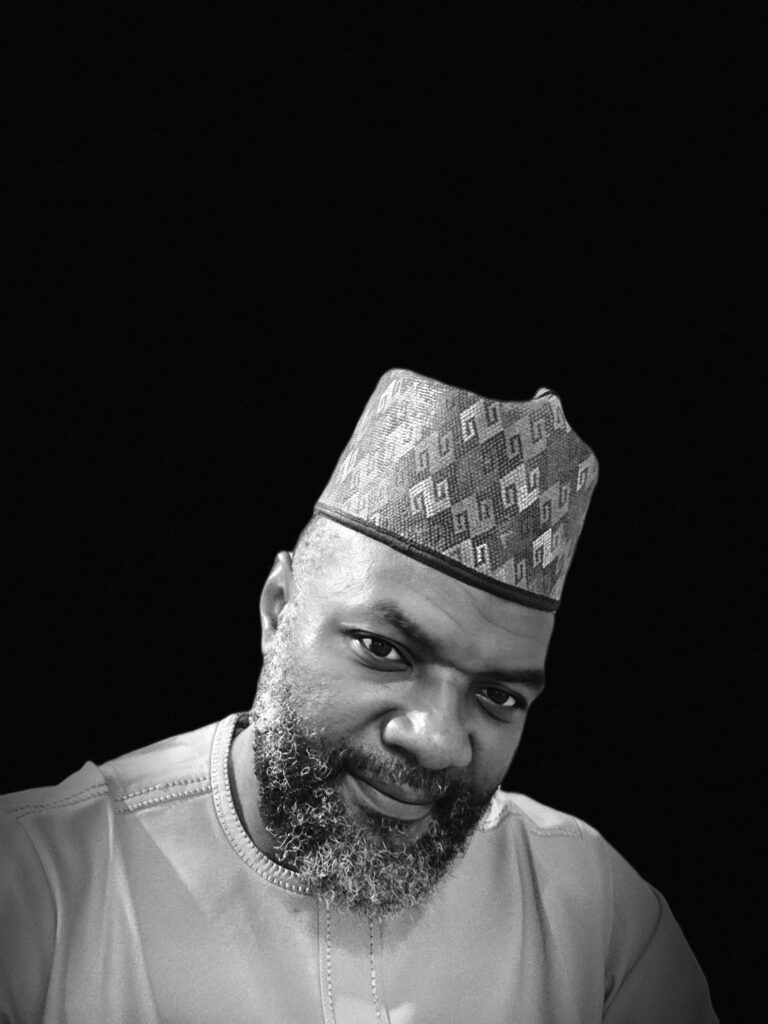
Abba A. Saidu, Executive Director of Glisten International Academy
Engineer Abba Abdullahi Saidu
Visionary Leader | Education Technology Enthusiast | STEAM Advocate
About Me
Dedicated visionary leader with a passion for educational excellence and innovation. Under my guidance, Glisten International Academy has achieved remarkable success, including international recognition in robotics competitions. As a Civil and Project Engineer, Serial Entrepreneur, and Mentor, I am committed to shaping the future of quality education through technology.
Education
B Tech in Civil Engineering
Federal University of Technology Bauchi
MSc in Engineering Project Management
Coventry University
MA in Education (Innovation in Learning and Teaching)
University of South Wales)
Professional Experience
Executive Director, Glisten International Academy (2006 – Present)
Spearheaded initiatives leading to multiple medals at the 2024 VEX Robotics World Championship.
Implemented advanced STEAM programs, significantly enhancing student performance.
Drives and leads educational technology initiatives at schools.
Chief Executive, Vaade Structures Limited
Over 18 years of experience in the construction sector (Structural, Building, Road, transport, flood, and drainage engineering).
Successfully executed projects from initiation to closeout.
Engineering Consultant Reynolds Construction Company (RCC) (018 – 2019)
Managing Director Q Touch Construction Limited (QTC) (2007 – 2014)
Achievements
Led a team to win the Sportsmanship Award at the 2024 VEX Robotics World Championship.
Represented Team Nigeria at various robotics and STEAM world events.
Facilitated student inventions, including the humanoid robot “MAIRABOT.”
Pioneered the development of Makerspace at Glisten International Academy.
Integrated cutting-edge education technology into the school curriculum.
Successfully led the deployment of school management systems and technology drives.
Microsoft (LMS), BYOD, MAKERSPACEs, STEAM, FIRST LEGO ROBOTICS, VEX ROBOTICS, MAIRABOT, Gradely, uLesson and many more.
Successfully managed the construction of schools and estates facilities at different locations in Nigeria.
Participated BETT SHOW UK, 21ST CENTURY LEARNING Hong Kong, NAPPS Conference, Nigeria and several Engineering and Technology related Conferences.
Pioneered the development of drone engineering workshops and events.
Skills and Expertise
Strategic Planning
Robotics and STEAM Education
Leadership and Team Development
Project Management
Critical Thinking
Problem Solving
Effective Communication
Entrepreneurship
Adaptability and Innovation Management
Quality Management
Professional Affiliations
Member, National Association of Proprietors of Private Schools (NAPPS)
Member, Council of Registered Engineers of Nigeria (COREN)
Member, Nigeria Society of Engineers (MNSE)
Member, Project Management Institute (PMI)
Community Involvement
Actively promote STEM education within the local community and facilitating STEAM workshops such a GIRL POWERED Workshops.
Mentor and coach basketball players.
Support scholarship schemes for the less privileged.
Personal Statement
“I believe in the transformative power of education and technology. My goal is to inspire and equip the next generation of leaders and innovators.”











 EduTimes Africa, a product of Education Times Africa, is a magazine publication that aims to lend its support to close the yawning gap in Africa's educational development.