




























As one of Nigeria’s foremost private universities, Babcock University has built a reputation for academic excellence, character development, innovation, and global relevance. With the appointment of Professor Afolarin Olutunde Ojewole as the institution’s fourth President/Vice-Chancellor, the university is embarking on a new chapter defined by a bold vision for international competitiveness, impactful research, entrepreneurial education, and unwavering spiritual values.
You might also like thesePosts



Less than a year into his tenure, Professor Ojewole is steering the university through an ambitious transformation anchored on the G.R.A.C.E. philosophy Globally Relevant, Research-Focused, Adventist-Rooted, Competent, and Entrepreneurial. His administration seeks to strengthen academic standards, expand world-class research, embrace emerging technologies such as Artificial Intelligence, deepen international collaborations, and produce graduates equipped not only with professional competence but also with integrity, leadership, and a passion for service.

In this exclusive interview with EduTimes Africa, Professor Ojewole shares his vision for Babcock University’s future, discusses how the institution is responding to the changing landscape of higher education, outlines key research priorities for national development, and offers inspiring insights for Nigerian youths preparing to thrive in an increasingly complex and technology-driven world.

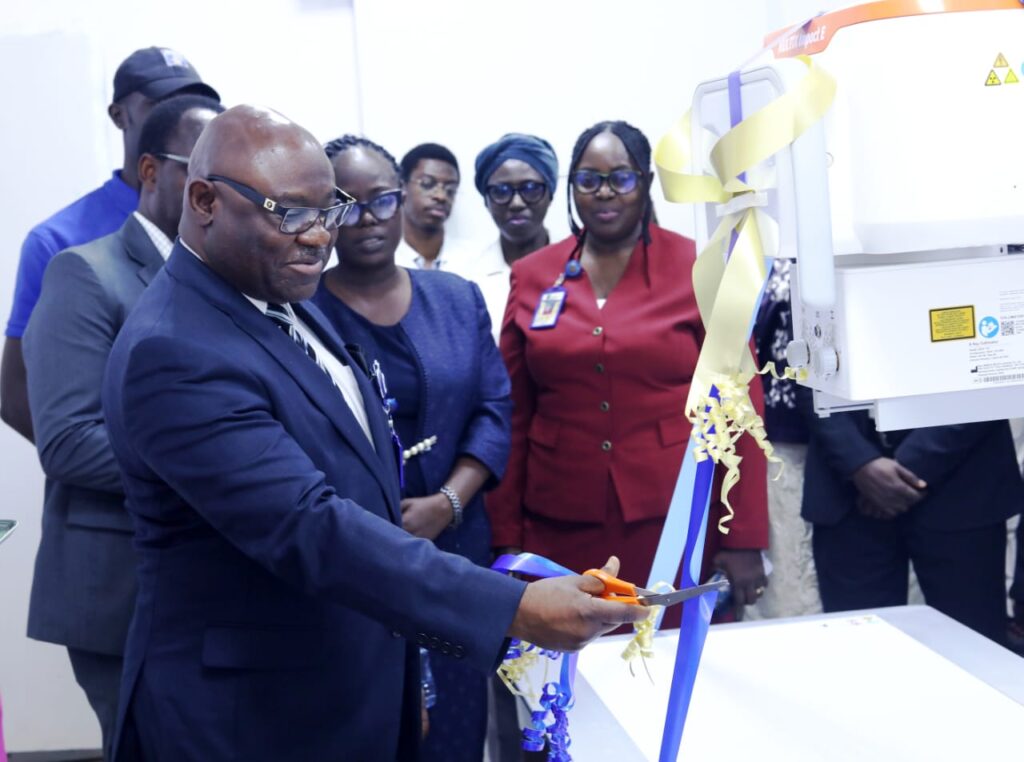
As the 4th President/Vice-Chancellor of Babcock University assuming office less than a year ago, what defining vision are you bringing into office, and how would you describe the transition moment for Babcock University under your leadership?
Our vision is to align our standards with international excellence to transcend borders. Prioritize rigorous inquiry to unlock solutions for complex global challenges. Faith and spiritual integrity to serve as the bedrock of our educational mission. Cultivate a culture of mastery where excellence is the standard for everyone. And to inspire a mindset of innovation that transforms bright ideas into sustainable ventures.

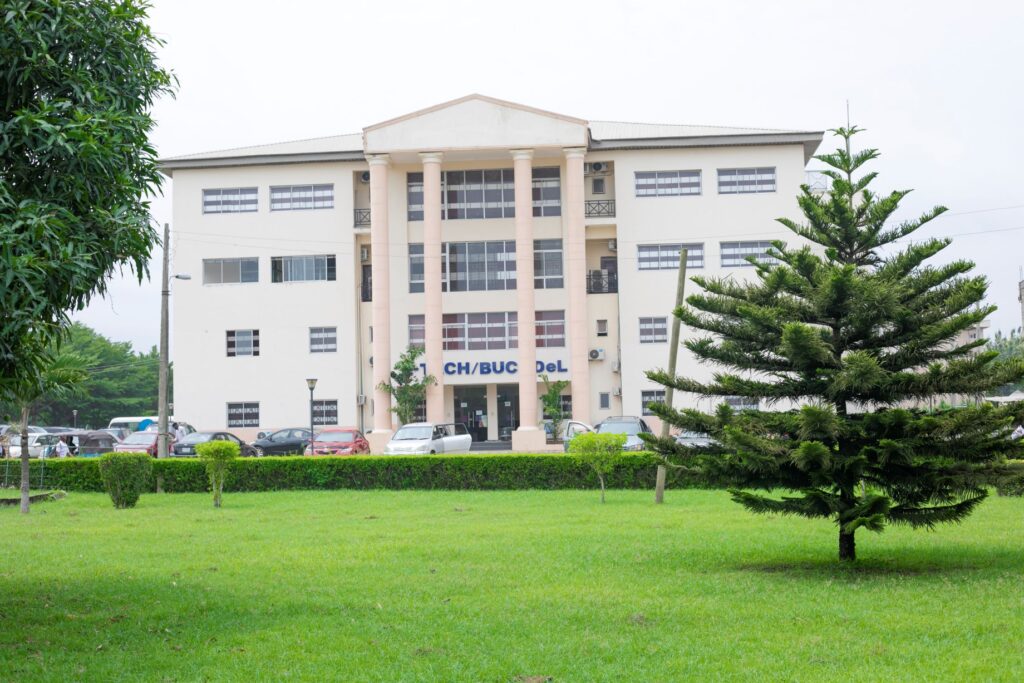
The GRACE philosophy defines Babcock as Globally relevant, Research-focused, Adventist-rooted, Competent, and Entrepreneurial. How do you intend to translate this framework into visible outcomes across the university community?
Thank you for that important question.
The G.R.A.C.E. philosophy is not merely a slogan; it is the strategic compass guiding every decision, programme, and investment at Babcock University. If we are to translate this framework into visible outcomes across our university community, it must be reflected in the experiences of our students, the productivity of our faculty, the efficiency of our administration, and the impact we make on society.
Globally Relevant means that our graduates must be prepared to compete and lead anywhere in the world. To achieve this, we are strengthening international partnerships, integrating emerging technologies into teaching and learning, reviewing our curricula to align with global standards, encouraging student and faculty exchange programmes, and promoting multicultural engagement. The visible outcome will be graduates who possess global competencies, digital skills, critical thinking abilities, and the confidence to thrive in an interconnected world.
Research-Focused requires us to move beyond the consumption of knowledge to the creation of knowledge. We are investing in research infrastructure, supporting faculty and student research, promoting interdisciplinary collaboration, and encouraging solutions-driven research that addresses national and global challenges. The outcome will be increased scholarly publications, patents, innovations, policy contributions, and practical solutions that positively impact society.
Adventist-Rooted reminds us that education must nurture both the intellect and the character. As a Seventh-day Adventist institution, we are committed to holistic education that develops the spiritual, mental, physical, and social dimensions of every individual. This means strengthening faith integration across disciplines, promoting ethical leadership, fostering a culture of service, and creating an environment where Christian values are lived daily. The visible outcome will be graduates known not only for competence but also for integrity, compassion, and moral leadership.
Competent Community speaks to excellence in every aspect of university life. We are committed to continuous professional development for staff, quality assurance in academic and administrative processes, student-centred services, and a culture of accountability and innovation. The outcome will be a university community where faculty, staff, and students are empowered to perform at the highest levels of excellence and professionalism.
Entrepreneurial Community reflects our determination to cultivate creators of opportunities rather than seekers of opportunities alone. Through entrepreneurship education, innovation hubs, industry partnerships, venture incubation, and experiential learning, we are equipping our students with the mindset and skills to solve problems, create value, and generate employment. The visible outcome will be graduates who are job creators, innovators, and leaders in emerging sectors of the economy.
Ultimately, the success of the G.R.A.C.E. philosophy will not be measured by what is written in our strategic documents but by what is evident in the lives of our students, the accomplishments of our faculty, the quality of our services, and the transformation we bring to our communities. When our graduates become globally competitive, our research influences society, our values shape character, our people demonstrate excellence, and our innovations create economic value, then the G.R.A.C.E. philosophy will have been successfully translated into reality.
That is the vision we are pursuing at Babcock University, a university that is globally respected, spiritually grounded, academically distinguished, operationally excellent, and entrepreneurially driven.

What steps will you take to further strengthen academic standards, accreditation, and curriculum relevance to ensure graduates remain globally competitive?
Maintaining and improving academic excellence is at the heart of our mandate as a university. In today’s rapidly changing world, universities must continuously evolve to ensure that their graduates are not only employable but also capable of leading and innovating in a global environment.
To further strengthen academic standards, we will continue to uphold a rigorous quality assurance system that promotes excellence in teaching, learning, research, and assessment. This includes regular academic audits, faculty development programmes, peer reviews, the adoption of innovative teaching methodologies, and the integration of technology-enhanced learning. We will also continue to attract and retain highly qualified faculty while creating opportunities for continuous professional growth and international exposure.
Regarding accreditation, our goal is not merely to meet regulatory requirements but to exceed them. We will sustain full compliance with the standards of the relevant regulatory and professional bodies while actively pursuing additional international accreditations and professional recognitions for our programmes. Accreditation serves as an external validation of quality, and we view it as an important mechanism for continuous improvement. We shall therefore invest in the facilities, resources, governance structures, and academic processes necessary to maintain the highest standards.
With respect to curriculum relevance, we recognize that the future of work is changing rapidly due to advances in technology, artificial intelligence, globalization, and evolving industry needs. Consequently, we are committed to periodic curriculum reviews that involve employers, industry leaders, professional bodies, alumni, and other stakeholders. This approach ensures that our programmes remain responsive to emerging trends and market realities. We are also placing increased emphasis on interdisciplinary learning, entrepreneurship, digital literacy, data analytics, artificial intelligence, innovation, leadership development, and problem-solving skills. Beyond disciplinary knowledge, our students must develop the adaptability, creativity, communication skills, and ethical judgment required to succeed in a dynamic global economy. Furthermore, we will strengthen partnerships with industry, government agencies, research institutions, and international universities to provide students with experiential learning opportunities, internships, collaborative projects, professional certifications, and global exposure. These experiences help bridge the gap between classroom learning and real-world application. As a Seventh-day Adventist institution, we remain committed to holistic education. Therefore, while we equip students with world-class academic and professional competencies, we also intentionally develop character, integrity, ethical leadership, and a spirit of service. In today’s world, employers are increasingly looking for graduates who possess both competence and character.
Our vision is to produce graduates who can confidently compete with their peers anywhere in the world, contribute meaningfully to national development, drive innovation, and provide principled leadership in their professions and communities. Academic excellence, curriculum relevance, accreditation quality, research productivity, and character formation will therefore continue to receive our highest priority. In essence, our strategy is simple: benchmark globally, innovate continuously, maintain uncompromising quality standards, engage industry proactively, and remain true to our mission of developing competent professionals with moral purpose. That is how we will ensure that Babcock University graduates remain globally competitive and future-ready.

Which key research areas will your administration prioritize to ensure the university delivers stronger solutions to Nigeria’s pressing challenges in health, governance, technology, and development?
At Babcock University, our research agenda is guided by our commitment to G.R.A.C.E.). We believe that research must move beyond academic publications to become a catalyst for solving real societal problems and improving lives. To address Nigeria’s most pressing challenges, Babcock University will prioritize research in the following strategic areas:
Health and Medical Innovation: As a university with a strong medical and health sciences ecosystem, we will intensify research in: Communicable and non-communicable diseases. These include: Maternal, newborn, and child health; Public health interventions and disease prevention; Mental health and psychosocial well-being; Health systems strengthening and healthcare financing; and healthcare technologies. Our goal is to generate evidence-based solutions that improve healthcare delivery, particularly for underserved communities across Nigeria and Africa.
Artificial Intelligence, Digital Transformation, and Emerging Technologies: The future belongs to institutions that can harness technology for development. We will prioritize research in: Artificial Intelligence and Machine Learning, Cyber security, and FinTech. Through our innovation ecosystem, we intend to develop practical technologies that address local challenges while competing globally.
Governance, Leadership, and Public Policy: Nigeria’s development depends significantly on effective governance and ethical leadership. Our researchers will focus on: Public sector reform and institutional effectiveness; Leadership development and ethics, Public accountability and transparency; Security studies and conflict resolution. As a faith-based institution, we are particularly interested in promoting values-driven leadership capable of transforming society.
Entrepreneurship, Economic Development, and Job Creation: With youth unemployment remaining a major concern, Babcock University will support research that drives: Entrepreneurship and innovation ecosystems; wealth creation and poverty reduction strategies. We want our research outputs to create enterprises, generate employment, and contribute directly to national economic growth.
Food Security, Agriculture, and Environmental Sustainability: Nigeria’s food and environmental challenges require urgent attention. Our research priorities include: Climate-smart agriculture; Food production and value-chain development; Renewable energy solutions, and Environmental conservation. The objective is to support sustainable development while ensuring food security for future generations.
Education, Human Capital, and Workforce Development: As an institution of higher learning, we recognize that education remains the foundation of national transformation. We will invest in research on: Integration of faith with learning; workforce readiness and future skills; educational leadership and policy; digital learning and open-distance education; Character development and values education. This aligns with our mission of producing graduates who are not only knowledgeable but also ethical and solution-oriented. These studies will help address the human and social dimensions of development that often determine the success or failure of policies and innovations. Our vision is not merely to conduct research but to translate research into measurable impact. Therefore, we are strengthening partnerships with government agencies, industry, international organizations, healthcare institutions, and development partners to ensure that our findings influence policy, drive innovation, and improve lives. Ultimately, Babcock University’s research priorities are designed to position the university as a leading solution provider for Nigeria, Africa, and the global community. Through rigorous scholarship, innovation, and collaboration, we intend to contribute meaningfully to national development while fulfilling our mandate as a research-focused institution committed to excellence and service.

How are your professors dealing with the students’ use of AI in their theses?
Artificial Intelligence is a reality that universities cannot ignore. At Babcock University, our approach is not to prohibit AI but to teach its responsible and ethical use. We encourage our students to use AI as a research support tool for idea generation, literature discovery, data organization, and improving clarity of expression. However, the critical thinking, analysis, interpretation, and original contribution must remain the student’s own work. Our professors are being trained to adapt to this new reality. They now place greater emphasis on proposal defenses, oral examinations, research methodology, data validation, and continuous engagement with students throughout the research process. This enables us to assess not just the final thesis but the student’s understanding of the work. Ultimately, our goal is to produce graduates who can leverage emerging technologies responsibly while maintaining the highest standards of academic integrity and scholarship.
How do you intend to balance academic excellence with spiritual growth, ethics, leadership training, and entrepreneurship among students?
At Babcock University, we do not see academic excellence, spiritual growth, ethical values, leadership development, and entrepreneurship as competing priorities. We see them as complementary parts of a complete education. A student may graduate with a first-class degree, but if that student lacks integrity, compassion, leadership skills, or the ability to create value, then we have not fully succeeded in our mission. That is why we are intentional about integrating faith with learning, character development with scholarship, and innovation with service. Our goal is to produce graduates who are intellectually sound, spiritually grounded, ethically responsible, entrepreneurial in mindset, and prepared to lead positive change wherever they find themselves. For us, true excellence is not just about what students know; it is also about who they become.


What are your immediate and long-term priorities regarding infrastructure development and strengthening international collaborations?
In the immediate term, my priority is to boost the infrastructure that directly impacts teaching, learning, research, healthcare, student accommodation, power supply, and digital connectivity. We want to create an environment where our students and faculty can thrive without unnecessary limitations. In the long term, we aim to develop world-class research, innovation, and healthcare facilities that will position Babcock University as a leading institution in Africa. Regarding international collaborations, our focus is to move beyond ceremonial partnerships to strategic alliances that deliver tangible benefits through joint research, faculty and student exchanges, innovation projects, grants, and global learning opportunities. Our goal is to ensure that a Babcock education remains globally relevant while addressing local and continental challenges.
Babcock has several Alumni operating at the very top of the Nigerian economy, making waves in tech, business, politics, academia, and of course in music. What do you think is responsible for these achievements?
I believe the success of our alumni is a reflection of the kind of education they received at Babcock University—one that goes beyond academics. We intentionally nurture competence, character, discipline, leadership, and a strong sense of purpose. Our graduates are taught to think critically, act ethically, and embrace innovation. They leave Babcock not only with degrees but with values and life skills that enable them to excel in diverse fields. Of course, the credit ultimately belongs to the alumni themselves. Through hard work, resilience, and determination, they have distinguished themselves nationally and globally. We are proud that Babcock played a role in helping to shape their journey.

Outside the demands of academia and administration, how do you unwind or stay inspired personally?
Outside the demands of academia and administration, I find joy in the simple things that keep me grounded and refreshed. Spending quality time with family and close friends is particularly important to me. Those moments of connection remind me of what truly matters and help me maintain a healthy perspective amidst a busy schedule. I also believe in the healing power of laughter. A daily dose of humour, whether through light-hearted conversations or a good joke, helps me relax and approach life’s challenges with a positive mindset. Whenever possible, I take walks, which give me time to reflect, think creatively, and appreciate the beauty of God’s creation. Reading remains one of my favourite ways to stay inspired. It exposes me to new ideas, different cultures, and fresh perspectives that enrich both my personal and professional life. I also enjoy travelling because it is both refreshing and educational. Visiting new places and meeting people from diverse backgrounds broadens my understanding of the world and often provides valuable insights that I can bring back to my work as an educator and university leader. These activities help me maintain balance, renew my energy, and stay inspired to serve the university community effectively.

What message do you have for Nigerian youths and future leaders preparing to navigate an increasingly complex global environment?
My message to Nigerian youths is simple: never stop learning, never stop adapting, and never compromise your values.The world is changing rapidly because of technology, globalization, and new ways of working. To succeed, you must be willing to continually acquire new skills, think creatively, and embrace innovation. But just as important, you must remain grounded in integrity, compassion, and a sense of purpose. Nigeria’s future will not be shaped by those who merely react to change, but by those who are prepared to lead it. I encourage our young people to believe in their potential, pursue excellence, and see every challenge as an opportunity to make a meaningful difference in the world.














 EduTimes Africa, a product of Education Times Africa, is a magazine publication that aims to lend its support to close the yawning gap in Africa's educational development.