



















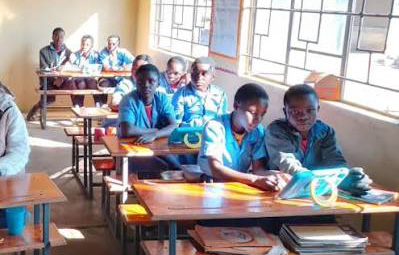


Education has the power to unlock human potential, shape responsible global citizens, and prepare young people for an increasingly interconnected world. Yet, even with the best intentions, teaching practices can sometimes stand in the way of authentic learning. In an era where global competence, sustainability, and future-ready skills are becoming essential, teachers are challenged to move beyond simply delivering content to creating learning experiences that inspire curiosity, critical thinking, collaboration, and lifelong learning. As teachers, our responsibility extends beyond helping students pass examinations. We are preparing them to solve complex global challenges, embrace diversity, innovate responsibly, and contribute meaningfully to society. This requires classrooms where learners are encouraged to question, reflect, create, and grow with confidence.



Here are few ways teaching can unintentionally become a barrier to learning, and how we can transform those barriers into opportunities for deeper, more meaningful education.
1. When Answers Replace Questions
One of the greatest barriers to learning occurs when students are taught to memorize answers instead of developing the habit of asking thoughtful questions. While correct answers may help students succeed in tests, genuine understanding comes from curiosity, inquiry, and exploration.
As teachers, we should encourage learners to investigate, challenge assumptions, and seek multiple perspectives. These are the skills needed not only for academic success but also for solving real-world problems.
“A mind full of answers is not always a mind full of understanding.”
When classrooms celebrate questioning as much as correctness, students become active participants in their own learning journey.
2. When the Teacher Becomes the Only Voice
Learning thrives in environments where every learner feels heard. When the teacher dominates every discussion, students often become passive recipients of information rather than active contributors to knowledge.
The most effective classrooms promote dialogue, collaboration, peer learning, and respectful exchange of ideas. Students develop communication, empathy, and critical thinking by engaging with different viewpoints.
“The best classrooms are not built around a voice, but around a dialogue.”
Education becomes more powerful when teachers facilitate conversations instead of simply delivering lectures.

3. When Mistakes Are Treated as Failure
Fear of making mistakes discourages innovation and limits learning. Students who worry about being wrong are less likely to ask questions, experiment with ideas, or take intellectual risks.
Every mistake offers valuable feedback and an opportunity for growth. By creating psychologically safe learning environments, Teachers help students develop resilience, confidence, and a growth mindset.
“A classroom that punishes mistakes teaches students to hide, not learn.”
Learning flourishes where mistakes are viewed as stepping stones rather than setbacks.
4. When Grades Become the Goal
Assessment is an important part of education, but when grades become the primary focus, learning can lose its meaning. Students may prioritize memorization over understanding or compete for marks instead of pursuing knowledge.
Education should nurture curiosity, purpose, and continuous improvement—not simply reward performance.
“When learning becomes a score, curiosity becomes a casualty.”
The most meaningful assessment measures not only what students know but also how they think, apply, and grow.
5. When Creativity Is Replaced by Compliance
Schools often value students who follow instructions accurately. While discipline and structure are important, innovation requires learners who are willing to think differently, ask difficult questions, and explore new possibilities.
Creativity is one of the most valuable future skills. Students need opportunities to imagine, design, create, and solve problems in original ways.
“A student who only follows directions may never discover new paths.”
Education should encourage learners to become creators of ideas, not merely followers of instructions.
6. When Every Learner Is Expected to Learn the Same Way
No two learners are identical. Students bring different cultures, experiences, abilities, interests, and learning preferences into every classroom.
Inclusive education recognizes these differences and adapts teaching to ensure every learner has the opportunity to succeed. Flexible teaching strategies, differentiated instruction, and culturally responsive practices help create equitable learning environments.
“The same lesson can open one mind and close another.”
When teachers teach with inclusion in mind, every learner has the opportunity to thrive.

7. When Technology Replaces Connection
Technology has transformed education by expanding access to information and enabling new forms of learning. However, digital tools should enhance, not replace the human relationships that make learning meaningful.
Students remember teachers who believed in them, encouraged them, and inspired them. No technology can replicate empathy, mentorship, or genuine human connection.
“A device can deliver information; only a teacher can inspire transformation.”
Future-ready education combines digital innovation with authentic relationships that support learners’ social, emotional, and intellectual development.
8. When the Curriculum Becomes More Important Than the Learner
Completing the syllabus should never become more important than ensuring students understand, engage with, and apply what they learn.
An overloaded curriculum can leave little room for inquiry, reflection, creativity, or meaningful discussion. Effective Teachers adapt learning experiences to meet students’ needs while maintaining high expectations.
“Education should serve the learner, not make the learner serve the system.”
When we place learners at the centre of education, curriculum becomes a pathway rather than a destination.
9. When Teachers Give Solutions Before Students Struggle
In our desire to help students succeed, we sometimes remove the very challenges that develop resilience and independent thinking.
Productive struggle encourages learners to analyze problems, test ideas, reflect on mistakes, and build confidence through persistence. These experiences develop the critical thinking and problem-solving skills needed in today’s rapidly changing world.
“The struggle to discover is often where learning begins.”
Sometimes the greatest support a teacher can offer is the space for students to think before providing the answer.
10. When Education Creates Followers Instead of Thinkers
The ultimate goal of education is not simply to produce students who obey instructions but individuals who can think critically, make ethical decisions, collaborate across cultures, and contribute innovative solutions to global challenges.
Education should empower learners to question respectfully, evaluate evidence, communicate effectively, and act responsibly.
“The purpose of education is not to fill minds, but to awaken them.”
When schools nurture independent thinkers, they prepare future leaders capable of creating a more peaceful, sustainable, and inclusive world.
Teaching is one of the world’s most influential professions because it shapes not only what learners know but also how they think, relate, and contribute to society. As education continues to evolve, our role must shift from being transmitters of information to designers of meaningful learning experiences that develop global competence, future skills, and a commitment to sustainable development. By fostering curiosity instead of memorization, dialogue instead of one-way instruction, resilience instead of fear, creativity instead of compliance, and critical thinking instead of passive acceptance, we empower learners to become adaptable, compassionate, and responsible global citizens. The classrooms we create today will shape the societies we build tomorrow. When teaching removes barriers rather than creates them, education becomes more than the transfer of knowledge, it becomes a catalyst for transformation, empowering every learner to thrive and contribute to a more just, sustainable, and interconnected world.
_______________________

Oluwatosin Osemeobo is an educator, writer, speaker, and School Sustainability Strategist with decades of experience at the intersection of education, Sustainability, leadership, and human development. An AFS Global Up–certified educator with deep expertise in intercultural learning and global competence, he operates at the intersection of future skills and sustainable development, empowering schools and educators to move beyond intention and achieve lasting impact. His academic foundation includes a Bachelor of Education from Obafemi Awolowo University, advanced certifications from the Open University (UK) and the University of Cambridge, and specialized training through the UN Climate Change platform, covering inclusive leadership, the SDGs, trade and rights frameworks, and the UN Convention on the Rights of the Child. As a Transformational Thought Leader and coach, Tosin has worked with teachers and professionals across multiple countries, equipping them to lead with clarity, adaptability, and purpose. His approach blends practical strategy with deep insight into how people and institutions actually change. As a writer, he explores the ideas he is most invested in: sustainability, education reform, teacher wellbeing, global competence, and what it truly takes to build schools that serve the future. His work speaks to educators, policymakers, and anyone who believes that transforming education is one of the most important things a generation can do. Tosin is a sought-after speaker and strategic consultant, and is based in Abuja, Nigeria. He is open to speaking engagements, writing commissions, consulting, and partnerships with organizations working on school sustainability, future skills, and human-centered education globally.
Email: tosemeobo@gmail.com
Phone: +234 806 561 1550
Linkedin: www.linkedin.com/in/oluwatosin-osemeobo-9b8a7a12a










 EduTimes Africa, a product of Education Times Africa, is a magazine publication that aims to lend its support to close the yawning gap in Africa's educational development.