






















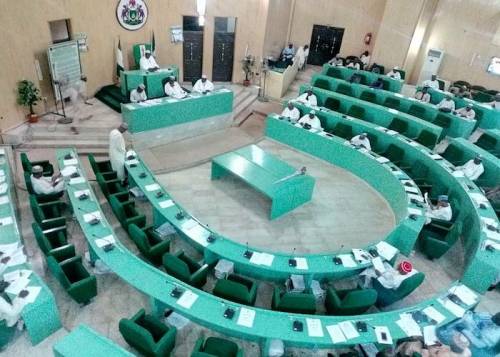


The Kano State House of Assembly has passed the Kano State Private and Voluntary Institutions Board (Amendment) Bill, 2026, introducing new measures to regulate private school fees and curb arbitrary tuition increases across the state.



The bill, which was passed after its third reading during plenary on Tuesday, now awaits the assent of Governor Abba Kabir Yusuf before it becomes law.

Key Provisions of the Bill
Under the proposed law, private schools will be required to consult their Parent-Teacher Associations (PTAs) before increasing tuition fees. Any approved fee increase must not exceed 10 per cent, a move aimed at protecting parents from sudden and excessive charges.

The legislation also seeks to regulate examination-related fees. Private schools will no longer be allowed to charge students more than 10 per cent above the official registration fees fixed by examination bodies such as the West African Examinations Council (WAEC), the National Examinations Council (NECO) and the National Business and Technical Examinations Board (NABTEB).
In addition, the bill reduces the statutory charges payable by private schools to the state’s Private and Voluntary Institutions Board from 15 per cent to 5 per cent.
Education Leadership Requirement

The amendment further provides that the Executive Secretary of the Private and Voluntary Institutions Board must be a retired or experienced educationist who attained at least Grade Level 14 in the public service.
Lawmakers said the requirement is intended to ensure that the board is led by professionals with adequate experience in educational administration.

Why It Matters
If signed into law, the amendment could significantly affect how private schools determine tuition and examination charges in Kano State. It is expected to improve transparency in fee adjustments, strengthen the role of PTAs in school governance, and provide greater financial protection for parents.
The bill also reflects growing efforts by state governments to balance the financial sustainability of private schools with the need to keep quality education affordable for families.
Education stakeholders will be watching closely to see how the new provisions are implemented if the governor gives his assent.












 EduTimes Africa, a product of Education Times Africa, is a magazine publication that aims to lend its support to close the yawning gap in Africa's educational development.