





















Six months after its last major review, the Federal Government has taken another look at its education reform efforts, with officials being urged to move beyond plans and ensure that ongoing commitments produce measurable results.



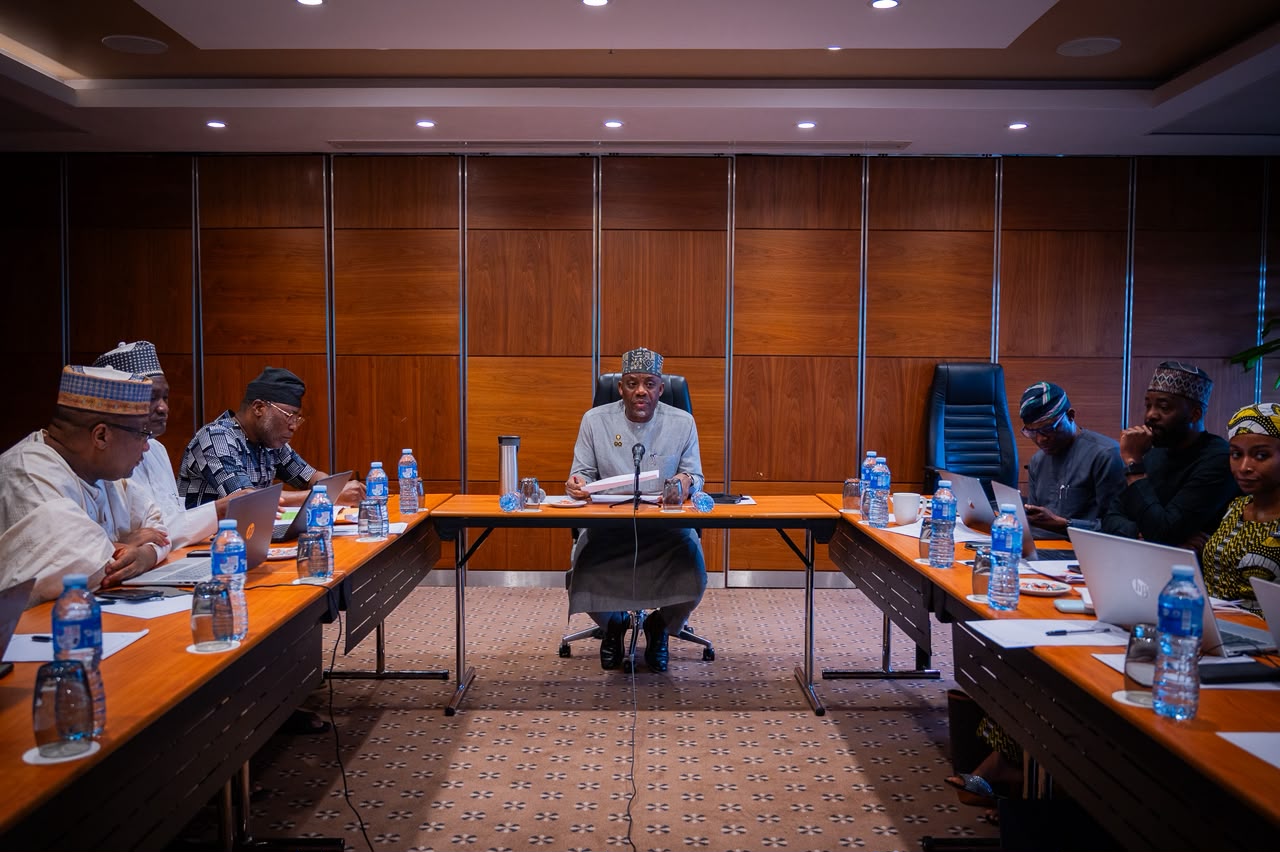
The Minister of Education, Dr. Maruf Tunji Alausa, CON, gave the charge on Friday, August 7, 2026, during the Ministerial Deliverables Meeting on the Nigeria Education Sector Renewal Initiative (NESRI) in Abuja.

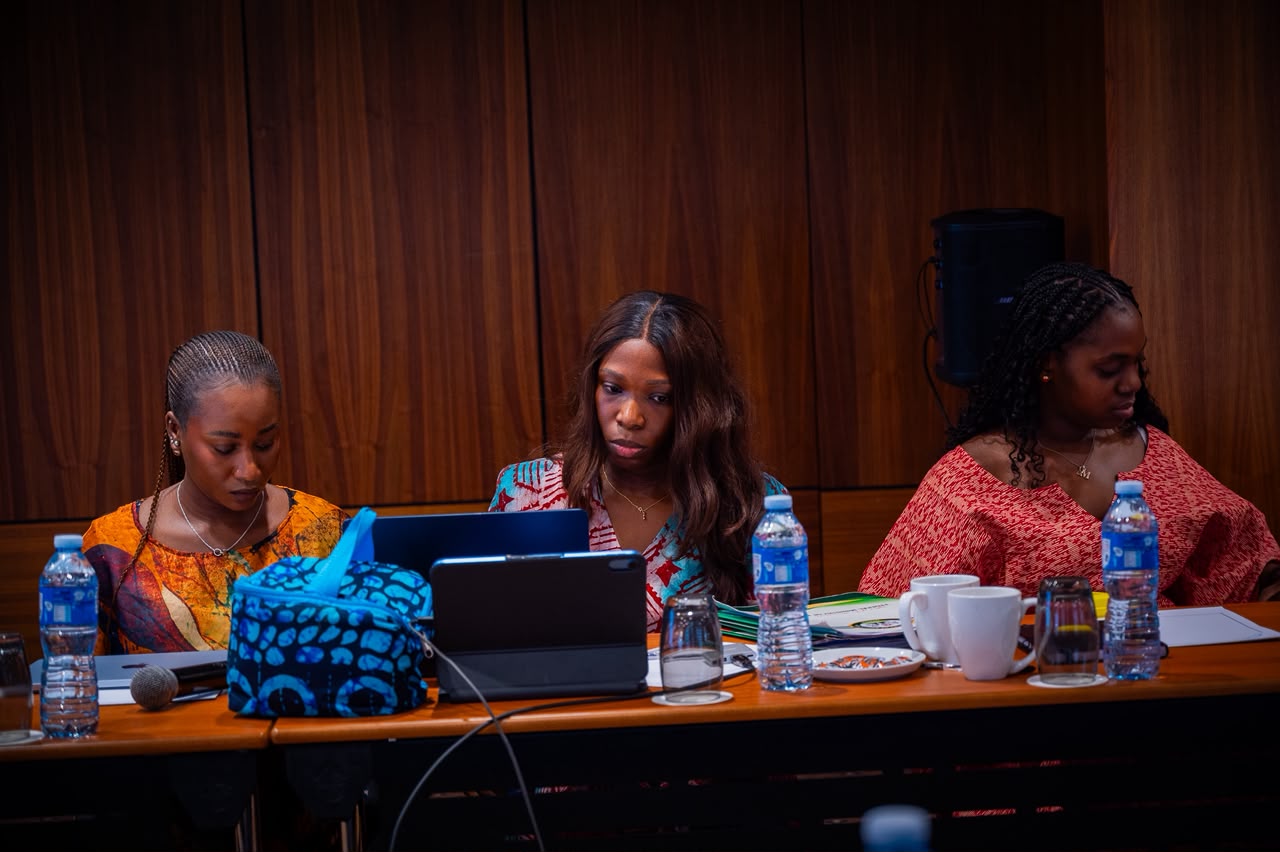
The meeting reviewed progress since the last NESRI retreat held in February and focused on what has been achieved, what remains outstanding and what needs to be done to move the reforms forward.
Officials reviewed deliverables reported as completed to determine whether they had actually met their full objectives.

The exercise was also aimed at preventing activities from being marked as completed simply because work had started or some milestones had been achieved.
Pending tasks were equally examined, with programme coordinators and responsible officials expected to identify the challenges delaying them and develop practical solutions.
New timelines were also to be established for outstanding deliverables, with officials responsible for each assignment expected to take full ownership and remain accountable for agreed targets.
Speaking at the meeting, Alausa said the review was not an opportunity to celebrate achievements but a chance to honestly assess the work that still needed to be done.
“Today is not about celebrating what we have done and going home. It is about looking at what we have done, what remains to be done and how we can finish what we have started,” he said.
The Minister commended officials for their efforts in advancing the education sector renewal agenda, while noting that President Bola Ahmed Tinubu had demonstrated strong political commitment to education and provided support for reforms aimed at improving access, quality and relevance.
He said the mandate given to him and the Minister of State for Education was to ensure that every Nigerian child has access to quality education that provides the knowledge, skills and opportunities needed to succeed.
However, Alausa warned officials against becoming complacent because of the progress already recorded.
He stressed that every achievement should create momentum for the next stage of implementation.

The NESRI agenda covers several areas of Nigeria’s education system, including Technical and Vocational Education and Training (TVET), Science, Technology, Engineering and Mathematics (STEM), out-of-school children, girl-child education, quality assurance, data and digitalisation, among other priorities.
According to the Minister, the real measure of success should not be the number of programmes launched, meetings held or activities completed.
Rather, it should be seen in the tangible improvements experienced by students, teachers and communities across the country’s education system.
He therefore urged programme coordinators, directors and other officials to strengthen collaboration, take clear ownership of their responsibilities and remain focused on measurable outcomes.
The Minister assured Nigerians that the Ministry would continue implementing the President’s education agenda, strengthening existing reforms and responding to emerging challenges.
Ultimately, the goal, he said, is to build an education system that gives every Nigerian child a genuine opportunity to learn, acquire relevant skills and fulfil their potential






 EduTimes Africa, a product of Education Times Africa, is a magazine publication that aims to lend its support to close the yawning gap in Africa's educational development.