






















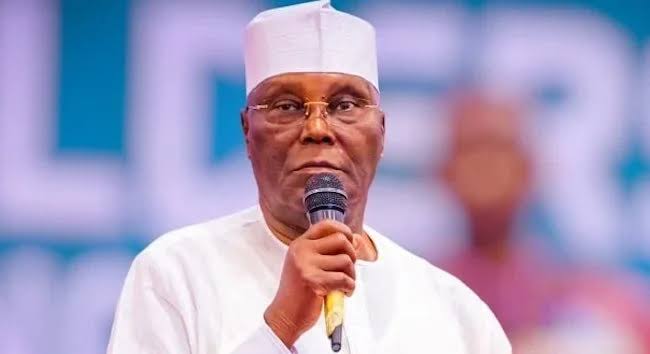


Former Vice President Atiku Abubakar has questioned how funds saved from the removal of fuel subsidy are being spent, following the renewed threat of industrial action by the Academic Staff Union of Universities (ASUU).
Atiku, the presidential candidate of the African Democratic Congress (ADC), said the Federal Government had justified subsidy removal by promising that the resources freed would be channelled into education, healthcare, infrastructure and other essential services.

But with public universities still facing funding challenges and unresolved issues with lecturers, he is asking why Nigerians have not seen greater improvements in the education sector.
What Is Atiku Questioning?

Atiku said Nigerians had endured higher fuel, transport and food costs since the subsidy was removed, while public universities continued to struggle with inadequate infrastructure and other challenges.
“If the subsidy is gone and Nigerians have paid for that decision through unprecedented hardship, then President Tinubu owes the country a simple answer: where is the money?” Atiku said in a statement issued by his Senior Special Assistant on Public Communication, Phrank Shaibu.
How Does ASUU Feature in the Debate?
Atiku’s comments came after ASUU warned that it could resume its suspended nationwide strike over unresolved issues between the union and the Federal Government.
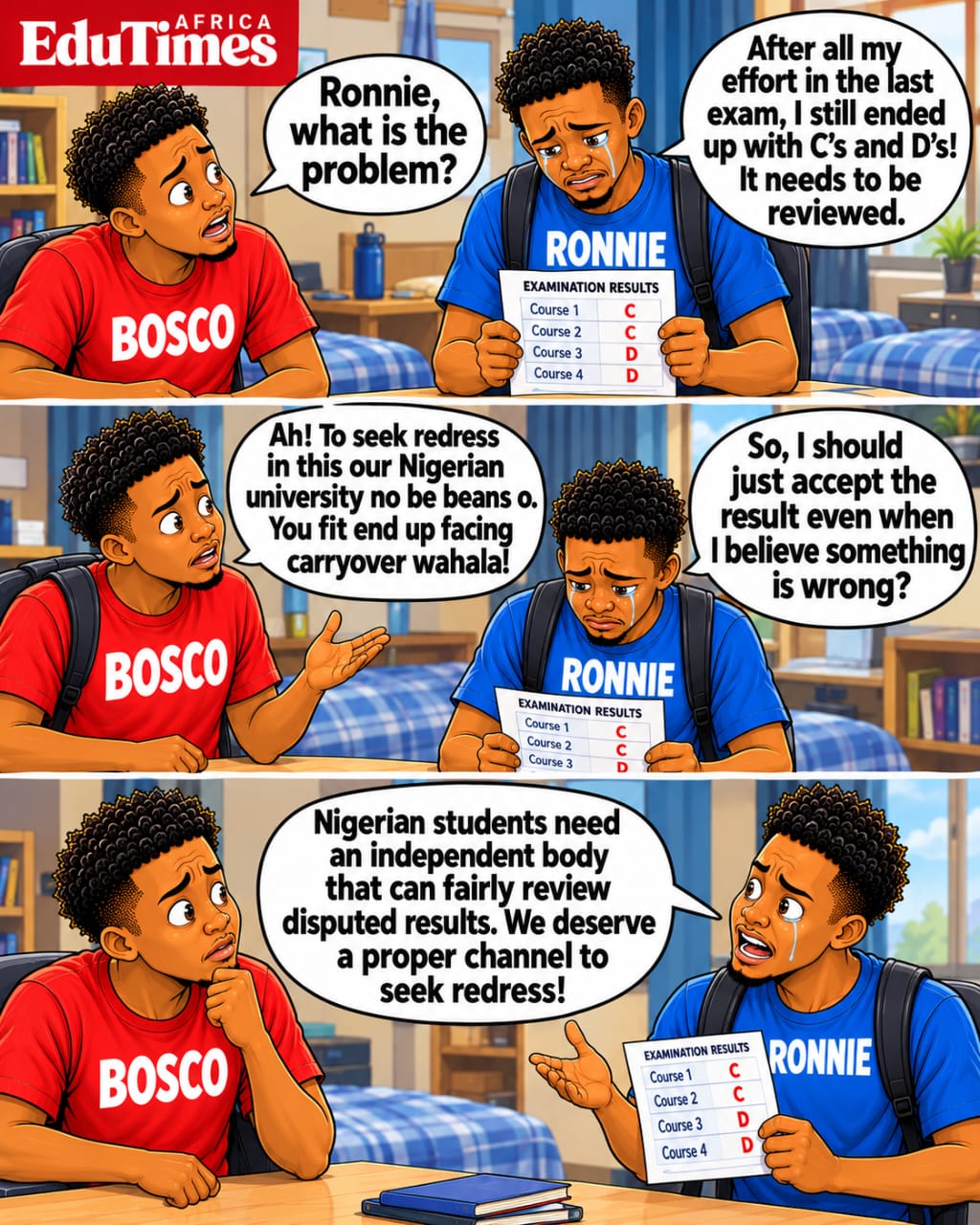
The union has raised concerns over unpaid salaries, unremitted deductions and incomplete implementation of agreements reached with government.
Atiku said the continued disputes showed that public universities were yet to receive the level of support Nigerians expected after the removal of subsidy.
“More than three years later, lecturers are still raising concerns about unpaid salaries and unresolved agreements. ASUU is again warning of industrial action,” he said.
What About State Universities?

Atiku also questioned the condition of state-owned universities, arguing that increased allocations to state governments should have translated into better funding and infrastructure.
He said many universities still faced shortages of classrooms, laboratories, hostels and other facilities, while admission capacity remained limited.
“If substantially more money is supposedly flowing to the states, why has the condition of public education not improved accordingly?” he asked.
Where Does NELFUND Come In?
Atiku also criticised the Federal Government’s student loan programme, operated through the Nigeria Education Loan Fund (NELFUND).
The scheme was established to provide financial support to eligible students pursuing tertiary education.
However, Atiku argued that families already struggling with higher living costs should not have to rely on loans to finance education.
“What kind of reform first empties a family’s pocket and then offers the child a loan to survive the hardship government helped create?” he asked.
What Is Atiku Calling For?
The former vice president called on the Tinubu administration to account for the funds it said became available after the removal of fuel subsidy.
He also urged the government to resolve outstanding agreements with university lecturers and increase investment in public universities to prevent further disruption of academic activities.
For Atiku, the broader issue is whether the financial gains associated with subsidy removal are translating into meaningful improvements in the lives of Nigerians, particularly in education.
“The sacrifice has been collected from Nigerians in full. The promised benefits have not been delivered in full,” he said









 EduTimes Africa, a product of Education Times Africa, is a magazine publication that aims to lend its support to close the yawning gap in Africa's educational development.