



























Babcock University has launched a two-week digital skills training programme for more than 250 staff members as part of efforts to strengthen workforce capacity and accelerate digital transformation across the institution.



The training, organised by the University’s Department of Employee Growth and Well-Being, is described as one of the largest staff development initiatives undertaken by the institution in recent years.

Speaking at the launch, Dr. Abiola Makinde, Associate Vice President for the GROW Department, said the programme aligns with the University’s commitment to continuous learning and staff development.
“We cannot remain relevant without continuous growth. Technology is changing the way we work, and our people must grow with those changes,” she said.

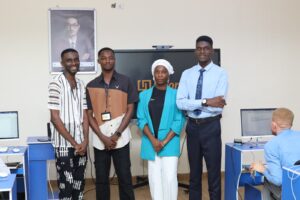
The training is facilitated by LtForce Technologies, a digital innovation company, and is designed to equip participants with practical skills in digital tools, paperless communication, workflow automation and technology-driven workplace practices.
Team Lead of LtForce Technologies, Praise Adeyemi, said the partnership aims to help staff build confidence in using technology to improve productivity and adapt to the changing demands of the modern workplace.

Participants are expected to apply the newly acquired digital skills in their daily responsibilities while promoting a culture of continuous learning and innovation across the University.

One of the participants, Mr. Olugbenga Olajobi, described the training as timely, noting that professionals must continually “unlearn and relearn” to remain relevant in an evolving digital environment.
Babcock University said the initiative reflects its commitment to educational excellence by investing in staff development and preparing its workforce to thrive in an increasingly technology-driven higher education landscape.













 EduTimes Africa, a product of Education Times Africa, is a magazine publication that aims to lend its support to close the yawning gap in Africa's educational development.