

























In my previous article, “WHO WILL TEACH OUR CHILDREN? The Alarming Exodus of Nigeria’s Best Teachers,” I raised concerns about the growing number of Nigerian teachers leaving the country, moving into online teaching, or seeking better opportunities elsewhere. I argued that this is more than a story of people pursuing greener pastures. It is a warning about what happens when a country gradually loses the experienced and capable teachers its children need most.
As I explained in that article, the problem is not simply that teachers want better salaries. Many are also searching for better working conditions, professional growth, recognition, and a more secure future. Technology has widened their options, making it possible to teach students across borders without necessarily leaving home. Even Private schools, face the same challenge of retaining experienced teachers when their financial constraints prevent them from offering competitive salaries. The consequences extend beyond the teachers themselves. When experienced educators leave, schools lose valuable knowledge and mentorship, other teachers face heavier workloads, and children risk receiving a poorer quality of education.
But identifying the problem is only the first step. We must now ask what can be done to reverse this trend, strengthen the teaching profession, and make Nigeria a place where talented teachers can build fulfilling and sustainable careers. This responsibility cannot rest on the government alone. Federal and state governments must lead through policy reform, better regulation, professional development, and improved welfare. Private school owners must also treat teachers as valuable professionals, while teachers, parents, communities, businesses, and Nigerians in the diaspora all have roles to play.

This article is therefore a continuation of my earlier piece, but with a shift in focus from the problem to possible solutions. The recommendations that follow are intended to address the conditions driving teachers away, attract capable people into the profession, improve the quality of teaching, and ensure that those who choose to remain in Nigeria have good reasons to do so.
Ultimately, the question is no longer just who will teach our children if our best teachers continue to leave? It is also what we, as a country and as a society, are willing to do to retain, support, and value the people entrusted with educating the next generation.

Here are some of my thoughts on what we can do to save Nigeria’s teaching profession:
1. Restoring the Dignity and Worth of Teaching
Teaching deserves more than verbal praise; it requires genuine respect, fair pay, and professional dignity. Nigeria must change how society perceives teachers through public campaigns that highlight their role in shaping minds, building character, and securing the nation’s future. Outstanding educators should receive meaningful awards and recognition at federal, state, and local government levels. Such recognition must reflect a genuine commitment to valuing teachers, making the profession one that talented Nigerians can aspire to join.
2. Securing Teachers’ Welfare and Their Future
No teacher should worry about unpaid salaries, rising living costs, or an uncertain retirement. Governments and other employers must ensure timely salary payments through reliable payroll systems and provide access to affordable housing, low-interest loans, healthcare, and life insurance. Pension administration must also be strengthened to ensure retirees receive their entitlements promptly, with a target of processing and paying retirement benefits within 30 days where practicable. These measures would give teachers greater financial security and the peace of mind to focus on their work.
3. Building Better Teachers Through Quality Training
Nigeria must invest in preparing capable, confident, and committed teachers. Teacher education programmes should reflect modern teaching methods, technology, and specialised areas of learning, supported by postgraduate studies and professional development. The National Teachers’ Institute (NTI) should emphasise practical training and classroom assessment, while the Teachers Registration Council of Nigeria (TRCN) upholds professional standards, registration, and discipline. Every prospective teacher should complete a fully funded, supervised one-year teaching internship before obtaining a full licence. Local Government Education Authorities should also help recruit teachers who understand their communities’ languages, cultures, and educational needs.
4. Creating Clear Pathways for Career Growth
Teaching should offer clear opportunities for advancement, whether into school leadership or specialised classroom instruction, based on teachers’ skills, experience, and performance. Scholarships for advanced degrees and research grants should encourage further learning and innovative teaching practices. Experienced and retired educators should mentor younger colleagues, while regular subject-based meetings at the local government level should promote collaboration and knowledge-sharing. Nigeria should also engage educators in the diaspora through virtual teaching, exchange programmes, and research partnerships, creating opportunities to benefit from their expertise.
5. Creating Safer, Healthier, and More Supportive Classrooms
Overcrowded classrooms, excessive paperwork, and security threats undermine teachers’ effectiveness. Nigeria should establish reasonable class-size limits and use digital tools to reduce administrative burdens and simplify lesson preparation and grading. Teachers should have access to counselling and mental health support, while effective security measures must protect staff and pupils in vulnerable areas. School health and feeding programmes should also support pupils’ well-being, helping create an environment where teaching and learning can thrive.
6. Equipping Teachers for Effective Teaching
Teachers need adequate resources to deliver quality lessons. Nigeria should improve access to laptops, tablets, and affordable internet through subsidies or interest-free loans, alongside digital teaching tools and up-to-date learning materials. Small, direct classroom grants should enable teachers to purchase essential stationery and teaching aids without unnecessary delays. Providing these resources would encourage innovation, strengthen classroom instruction, and help teachers respond to pupils’ diverse learning needs.
7. One Standard, One Promise: Quality Education for Every Child
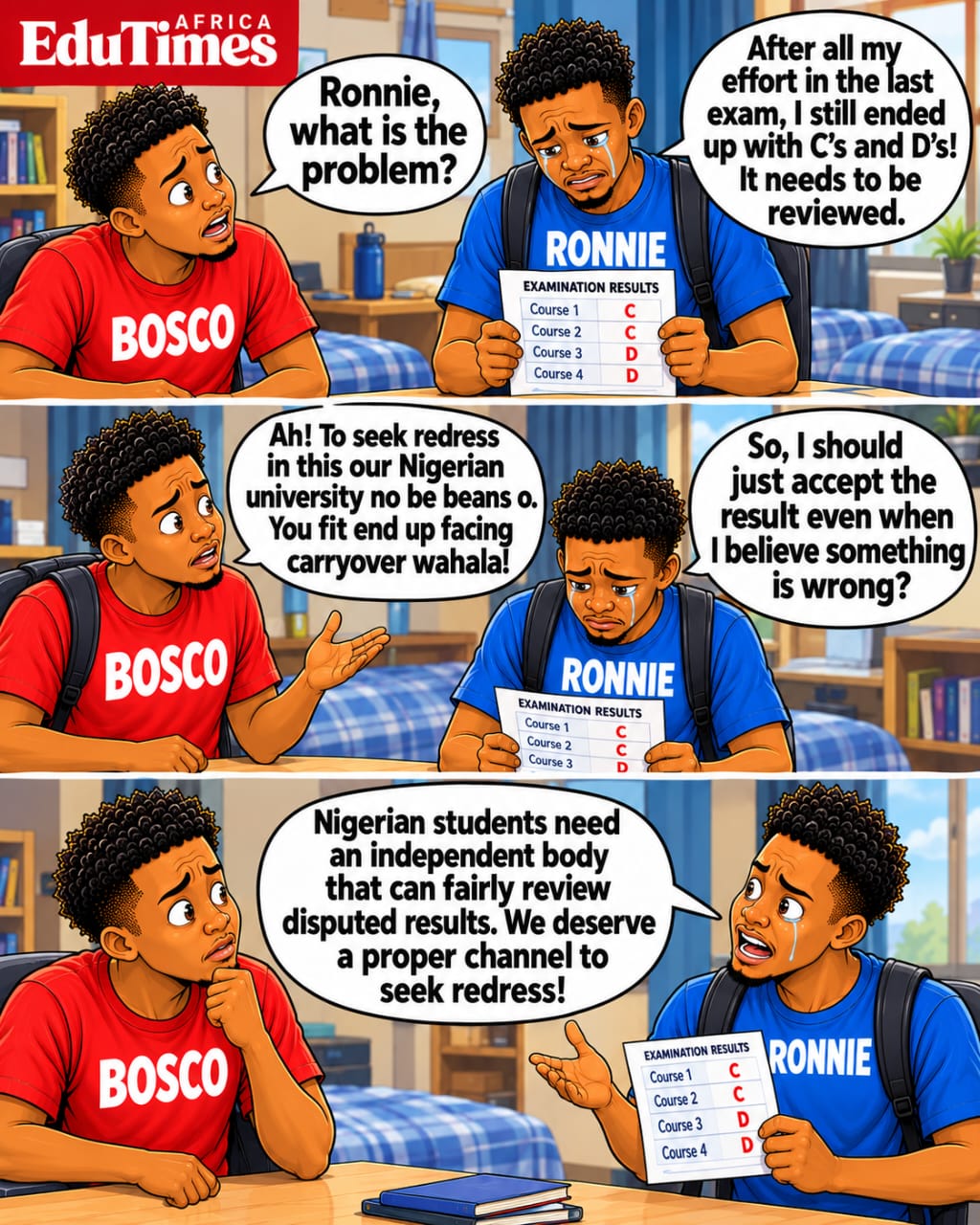
Every Nigerian child deserves a safe school, a qualified teacher, and a fair chance to learn, whether in a public or private institution. Government must enforce minimum standards for school facilities, safety, teacher qualifications, and professional licensing, including appropriate protections and welfare for teachers in private schools. Clear responsibilities, regular inspections, and meaningful consequences for persistent violations should ensure compliance. Strong ethical standards must also address examination malpractice and other forms of dishonesty, promoting integrity and accountability throughout the education system.
8. When Communities Join Hands, No School Is Left Behind
Businesses, NGOs, technology companies, and local communities must complement government efforts through partnerships that support school infrastructure, educational research, and targeted interventions. Teachers serving in rural, remote, and hard-to-reach communities should receive additional financial incentives to reflect the challenges of their postings. Traditional leaders, parents, and Parent-Teacher Associations should also help protect school facilities, promote safety, and support local educational initiatives. Such collaboration can strengthen underserved schools and make difficult postings more attractive to qualified teachers.
When government provides direction, partners contribute resources, and communities take responsibility, we create more than better schools; we build a shared promise that no teacher is forgotten and no Nigerian child is left behind.

————————–

Oluwatosin Osemeobo is an educator, writer, speaker, and School Sustainability Strategist with decades of experience across education, sustainability, leadership, and human development. An AFS Global Up–certified educator, Tosin combines expertise in intercultural learning, global competence, future skills, and sustainable development to help schools and educators turn ambition into lasting impact. With a Bachelor of Education from Obafemi Awolowo University and advanced training from the Open University (UK), University of Cambridge, and UN Climate Change platform, he brings both academic depth and practical experience. As a transformational thought leader, coach, speaker, and consultant, Tosin works globally with educators and organizations to build future-ready, sustainable, and human-centered schools. Based in Abuja, Nigeria, he is available for speaking engagements, writing commissions, consulting, and strategic partnerships.
Email: tosemeobo@gmail.com Phone: +234 806 561 1550
Linkedin: www.linkedin.com/in/oluwatosin-osemeobo-9b8a7a12a












 EduTimes Africa, a product of Education Times Africa, is a magazine publication that aims to lend its support to close the yawning gap in Africa's educational development.