


























The Consul-General of China in Lagos, Ms Yan Yuqing, has called for the expansion of Mandarin language education in Nigerian schools, saying greater access to the language would strengthen educational ties and create global opportunities for young Nigerians.
Yuqing made the call during a visit to Grace Schools, Lagos, where she interacted with pupils learning Mandarin as part of the school’s foreign language programme. The school introduced Mandarin 16 years ago.

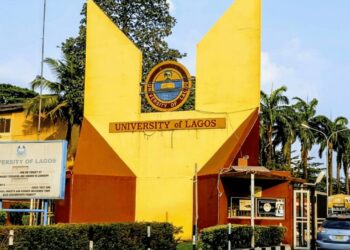
She noted that China already supports Mandarin education in Nigeria through the Confucius Institute at the University of Lagos and Chinese language classrooms in primary and secondary schools.
“I am happy to visit Grace School. I can see that many Nigerian students like the Chinese language, culture, history and people. Children are the hope of every nation, and I am glad to hear many of them say they dream of visiting China,” she said.


The envoy commended the pupils for their proficiency in Mandarin and expressed optimism that more Nigerian students would study and work in China.
“I’m happy that the children are learning Chinese well. I love Nigeria. We have similar attire, and I enjoy moi moi, jollof rice and egusi,” she added.

Yuqing said expanding educational and cultural exchanges would further strengthen relations between Nigeria and China, noting that 2026 had been designated the China-Africa Year of People-to-People Exchange, with education and cultural cooperation playing a central role.
She said China would continue supporting Nigerian students through scholarships, teacher and student exchange programmes, educational donations and other initiatives aimed at deepening mutual understanding.
According to her, the Chinese government provides scholarships through its Ministry of Education to students from African countries, including Nigeria, while educational collaboration continues to grow through the Confucius Institute at the University of Lagos and other exchange programmes.
She also reaffirmed China’s commitment to supporting development initiatives in Nigeria, including food assistance for vulnerable families, healthcare interventions and infrastructure projects.
Earlier, the Chief Executive Officer of Grace Schools, Mrs Olatokunbo Edun, said the school introduced Mandarin in 2010 after recognising China’s growing economic influence and the opportunities it offers young Nigerians.
She said the language is taught from Nursery Two to Senior Secondary School II, with many pupils now able to read, write and communicate fluently in Mandarin.
According to Edun, proficiency in Mandarin gives students a competitive advantage in the global job market.
“Even if you have a degree, you may not get a job. But if you speak Mandarin, the job is yours. We are trying to prepare our children for the global workplace from an early age,” she said.
Edun disclosed that one of the school’s pupils had attained HSK Level 3, an internationally recognised Chinese language proficiency qualification, at the age of six.
She added that the school had invested heavily in the programme through its partnership with the Confucius Institute at the University of Lagos, which has trained several teachers in Mandarin instruction, noting that learning additional languages also enhances children’s cognitive development and promotes cultural understanding.
Also speaking, the Chairman of the Parents-Teachers Association of Grace Schools, Omoruyi Edoigiawerei, said parents were pleased with the initiative, expressing confidence that it would position their children for future opportunities in international business and diplomacy.
He also commended China for promoting trade and educational cooperation with Nigeria.













 EduTimes Africa, a product of Education Times Africa, is a magazine publication that aims to lend its support to close the yawning gap in Africa's educational development.