


















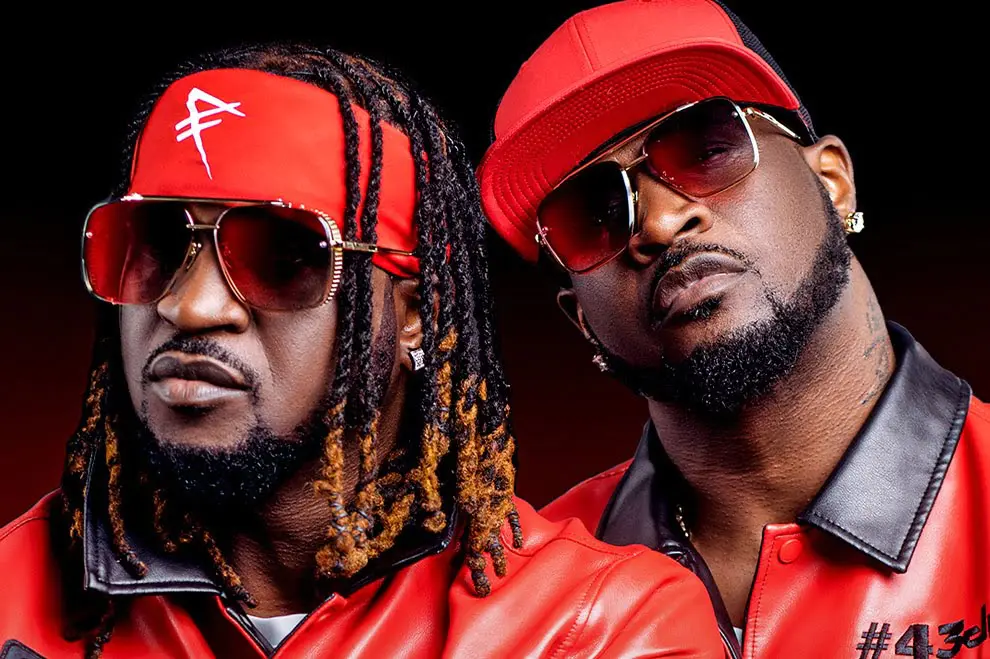


The name P-Square is synonymous with the rise of Afrobeats on the global stage. Comprising identical twin brothers Peter Okoye (Mr P) and Paul Okoye (Rudeboy), the duo became one of Africa’s most successful music acts, selling millions of records and winning numerous awards.



However, alongside their remarkable success has been a long-running family dispute involving the brothers and their elder brother and former manager, Jude Okoye. Recent public statements and legal disagreements have once again brought the family into the spotlight.

Who Are P-Square?
Born on 18 November 1981 in Jos, Plateau State, Peter and Paul Okoye hail from Ifite Dunu in Anambra State. They began performing together in secondary school before officially forming P-Square in the late 1990s.

Their Rise to Stardom
P-Square became household names across Africa with hit songs such as:
– Bizzy Body
– Do Me
– No One Like You
– Personally
– Alingo
– Beautiful Onyinye
– Chop My Money
Their energetic performances, dance routines and polished music videos helped redefine African pop music and opened international doors for Afrobeats artists.
Awards and Achievements
Over the years, P-Square won numerous honours, including:
– MTV Africa Music Awards
– Channel O Music Video Awards
– The Headies
– Nigeria Entertainment Awards
– KORA Awards
They also toured Europe, North America, Asia and Africa, becoming one of Nigeria’s biggest music exports.
Why Did P-Square Split?
The group’s first major breakup became public in 2017, with reports of disagreements over management, finances and creative direction. Their elder brother, Jude Okoye, who managed the group for many years, was also at the centre of the dispute.
Peter and Paul subsequently pursued solo careers under the names Mr P and Rudeboy.
The Reunion
In 2021, the twins reconciled and reunited, delighting fans across the world. They released new music and embarked on a successful reunion tour, raising hopes that the differences had been resolved permanently.
Why Are They Back in the News?
The family’s internal dispute has resurfaced, with public exchanges involving Peter Okoye, Paul Okoye, Jude Okoye and other family members. The disagreements include allegations and counter-allegations relating to the management of the P-Square brand, royalties and business affairs. Some aspects have also become the subject of legal proceedings. Because these matters are disputed, they remain unresolved.
Despite their personal differences, P-Square’s influence on African music remains enormous. They inspired a generation of Afrobeats stars, demonstrated that African acts could fill major venues worldwide, and helped popularise Nigerian music long before the current global Afrobeats boom.
Their songs continue to enjoy strong streaming numbers, with renewed public interest in their catalogue following the latest developments.
P-Square’s story is one of extraordinary talent, global success, family ties and business challenges. While the current dispute continues to attract public attention, their contribution to Nigerian and African music remains undeniable. Their journey also serves as a reminder of the importance of transparency, trust and effective governance when family and business intersect.













 EduTimes Africa, a product of Education Times Africa, is a magazine publication that aims to lend its support to close the yawning gap in Africa's educational development.