




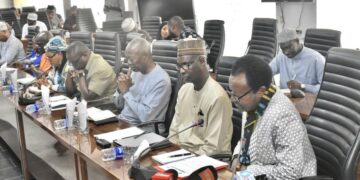





















The Federal Government has urged Public-Private Partnership (PPP) Desk Officers in federal tertiary institutions to prioritise public interest, affordability and improved learning outcomes when developing partnerships with private investors.
The government stressed that the success of education-sector PPP projects should be measured by their social impact rather than profit maximisation.

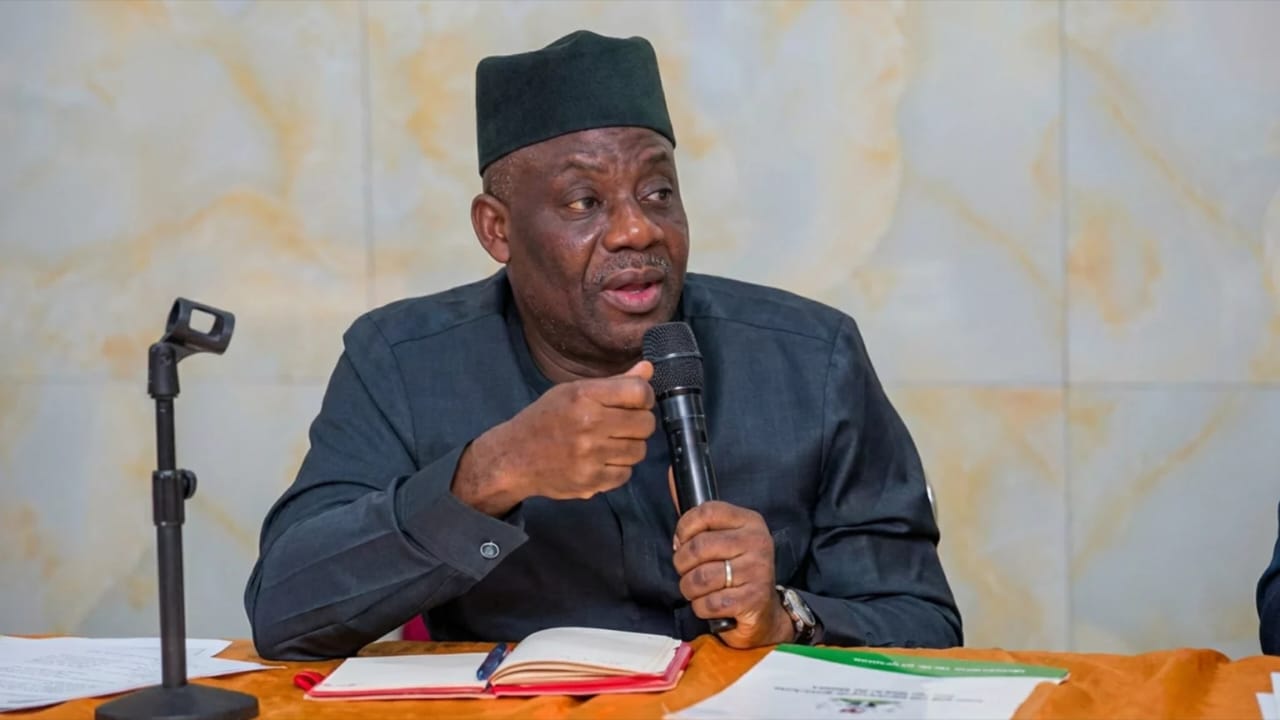
The Director Overseeing the Office of the Permanent Secretary, Federal Ministry of Education, Dr Folake David, made the call at the opening of a two-day annual PPP Forum for Desk Officers in Federal Tertiary Institutions held in Abuja from November 4 to 5, 2026.
The forum, organised by the Federal Ministry of Education in collaboration with the Nigerian Institute of Infrastructure and Public-Private Partnership (NIIP), was themed, “Public-Private Partnership: Bridging the Gap Between Policy, Investment and Sustainable Implementation.”


David noted that although the Federal Government had established the necessary policy framework and the private sector had shown interest in investing in education, translating policies and investment opportunities into viable and sustainable projects remained a major challenge.
She said government alone could not adequately fund the laboratories, student hostels, workshops, high-capacity centres, theatres and other critical infrastructure required by tertiary institutions because of competing national priorities and limited public resources.
She therefore called for increased private-sector participation to mobilise capital, technical expertise, innovation and management capacity to complement government investment in the education sector.
According to her, PPP Desk Officers must move beyond administrative responsibilities to become project facilitators, investment scouts and guardians of public interest.
“Projects students cannot afford cannot be considered successful,” she said, urging participants to identify viable investment opportunities, develop bankable proposals and engage credible investors.
David expressed the expectation that the forum would produce a pipeline of sustainable projects aligned with educational needs rather than end with the issuance of a communiqué.
Representing the Director-General of the Infrastructure Concession Regulatory Commission (ICRC), Dr Jobson Oseodion Ewalefoh, Mr Akwu Okolo disclosed that the commission had improved its PPP project review and certification processes.
He said procedures that previously took approximately 60 days could now be completed within seven days.
Okolo also disclosed that the commission had issued 13 PPP guidelines to support the implementation of presidentially approved project approval thresholds.
He encouraged participants to identify investment opportunities specific to tertiary education and develop credible project pipelines, noting that social infrastructure remained essential to the government’s responsibility to citizens, even when such projects were not financially self-sustaining.
In his welcome address, the Director of Special Duties Department, Federal Ministry of Education, Mr Murtala Alhaji Tanko, described the forum as a strategic platform for strengthening institutional capacity and translating government policies into viable investment opportunities.
He identified inadequate infrastructure, overcrowded classrooms, insufficient teaching and learning facilities and limited access to modern technology as persistent challenges confronting tertiary institutions.

Tanko urged participants to develop practical recommendations with clear priorities, responsibilities and implementation mechanisms. He also charged them to facilitate project identification and preparation, ensure regulatory compliance, promote stakeholder engagement and monitor implementation.
Similarly, the Deputy Director in the Colleges of Education Department, Mrs Vivian Oluwatobi Luke, who delivered a goodwill message on behalf of the department’s director, Dr Uchenna Uba, highlighted the potential of PPPs to modernise lecture halls, hostels, laboratories, workshops, ICT facilities and renewable energy infrastructure.
She emphasised the importance of sound project preparation, transparency, accountability and effective monitoring in ensuring sustainable partnerships that would improve teaching, learning and skills development.
The Director of Polytechnic Education and Allied Institutions Department, Mrs Igwe Amy, also underscored the importance of private-sector collaboration in advancing Technical and Vocational Education and Training (TVET).
She said strong industry linkages and private-sector participation were essential to improving technical education and skills acquisition, urging PPP Desk Officers to understand the regulatory framework and develop transparent, mutually beneficial and bankable projects.
Reaffirming the ministry’s commitment, David said the Federal Ministry of Education would continue to promote transparent, accountable and value-driven partnerships under the leadership of the Minister of Education, Dr Maruf Tunji Alausa, and the Minister of State for Education, Prof. Suwaiba Sa’id Ahmad.
She said the partnerships would complement ongoing education reforms and support President Bola Ahmed Tinubu’s Renewed Hope Agenda.










 EduTimes Africa, a product of Education Times Africa, is a magazine publication that aims to lend its support to close the yawning gap in Africa's educational development.