
























The PUNCH Editorial Board has called on President Bola Tinubu to stop the proposed N4,000 result verification fee introduced by the West African Examinations Council (WAEC) and the National Examinations Council (NECO).
The newspaper, in an editorial published on Wednesday, September 9, described the fee as an additional financial burden on students seeking admission into tertiary institutions.

WAEC and NECO recently announced the one-off N4,000 charge for candidates who need to verify their O’Level results for admission purposes. The examination bodies said the arrangement was designed to make the verification process more efficient by ensuring that candidates who have already verified their results would not have to repeat the exercise.
However, PUNCH argued that the policy would place further pressure on families already struggling with the rising cost of education and living expenses.

According to the editorial, 1,959,668 candidates sat for the May/June 2026 West African Senior School Certificate Examination (WASSCE). At N4,000 per candidate, the newspaper estimated that the verification charge could generate about N7.84 billion if applied across the entire cohort.
PUNCH also compared the proposed charge with the operations of the Joint Admissions and Matriculation Board (JAMB), citing the agency’s previous reduction of the Unified Tertiary Matriculation Examination (UTME) fee under former Registrar, Professor Ishaq Oloyede.
The editorial argued that WAEC and NECO should prioritise affordable access to education and the efficient certification of students rather than imposing additional charges on young Nigerians.
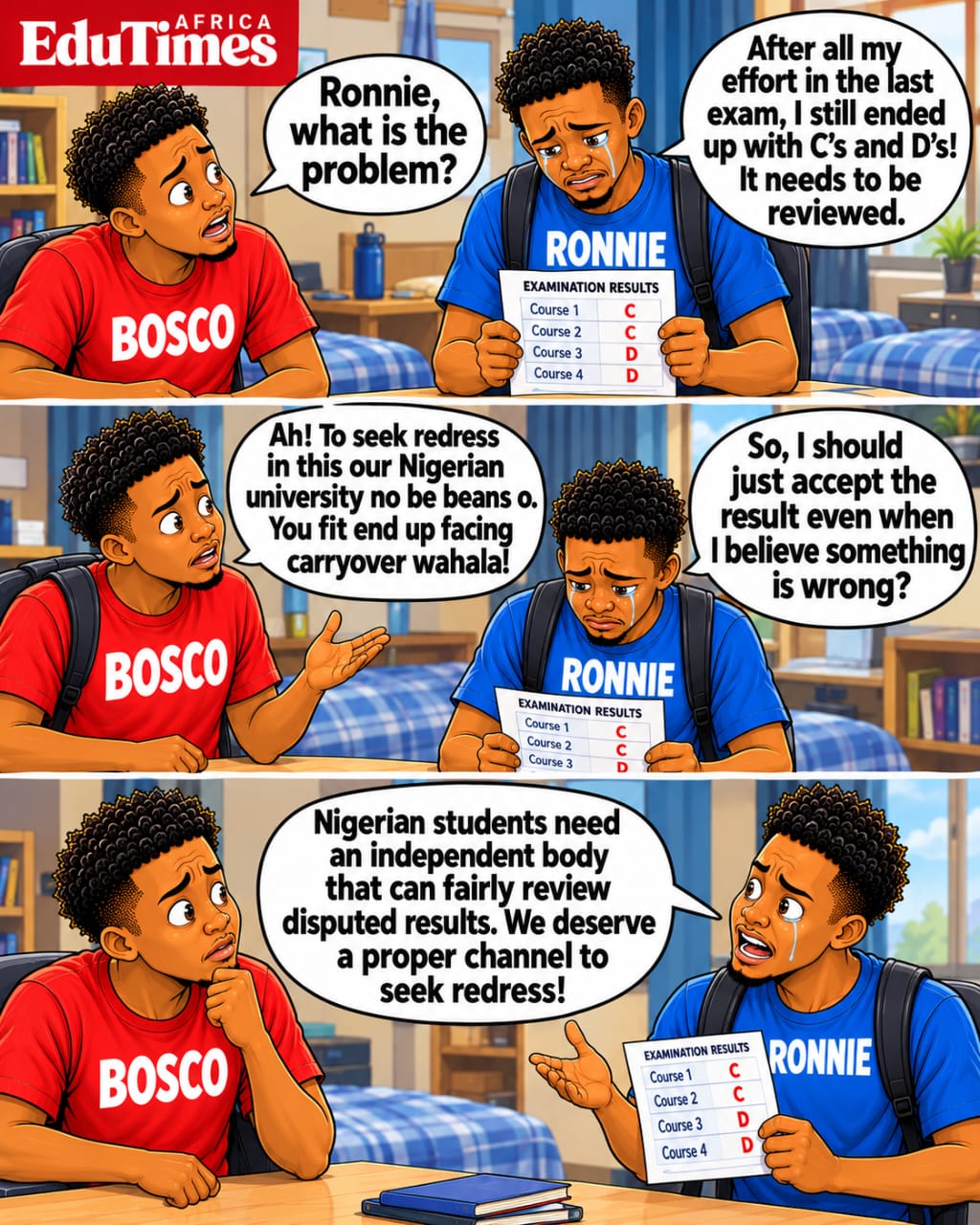
It also criticised the earlier proposal by WAEC and NECO to increase school certificate examination registration fees from N27,000 to N50,000, which was subsequently suspended following intervention by the Federal Ministry of Education.
PUNCH urged the Federal Government to consider a broader approach to education financing, including greater government support for WAEC and NECO examination fees.
It cited Ghana and Sierra Leone as examples of countries where governments provide support towards school certificate examination costs, while The Gambia provides partial assistance.
The editorial further called on state governments to increase their investment in education, restore scholarship and bursary schemes, and address outstanding debts owed to NECO.
It said the Nigeria Governors’ Forum should encourage indebted states to settle their obligations to the examination body, noting that some states reportedly owe NECO billions of naira.

While acknowledging that digital verification can help reduce administrative delays and improve the security of academic records, PUNCH questioned whether the cost of implementing such technology should be transferred directly to students.
The newspaper also called for greater transparency regarding the actual cost of the verification system and the basis for the N4,000 charge.
It urged the Federal Government to prevent the proposed fee from taking effect, arguing that additional charges could make access to tertiary education more difficult for economically disadvantaged students.
The editorial concluded that Nigeria’s education policy should treat education as a national investment rather than as a source of revenue, particularly as the country continues to grapple with poverty, insecurity and a large out-of-school population.












 EduTimes Africa, a product of Education Times Africa, is a magazine publication that aims to lend its support to close the yawning gap in Africa's educational development.