

























The Federal Government of Nigeria has reaffirmed its commitment to strengthening education reforms, expanding opportunities for young people, and deepening cooperation with member states of the Commonwealth of Nations.



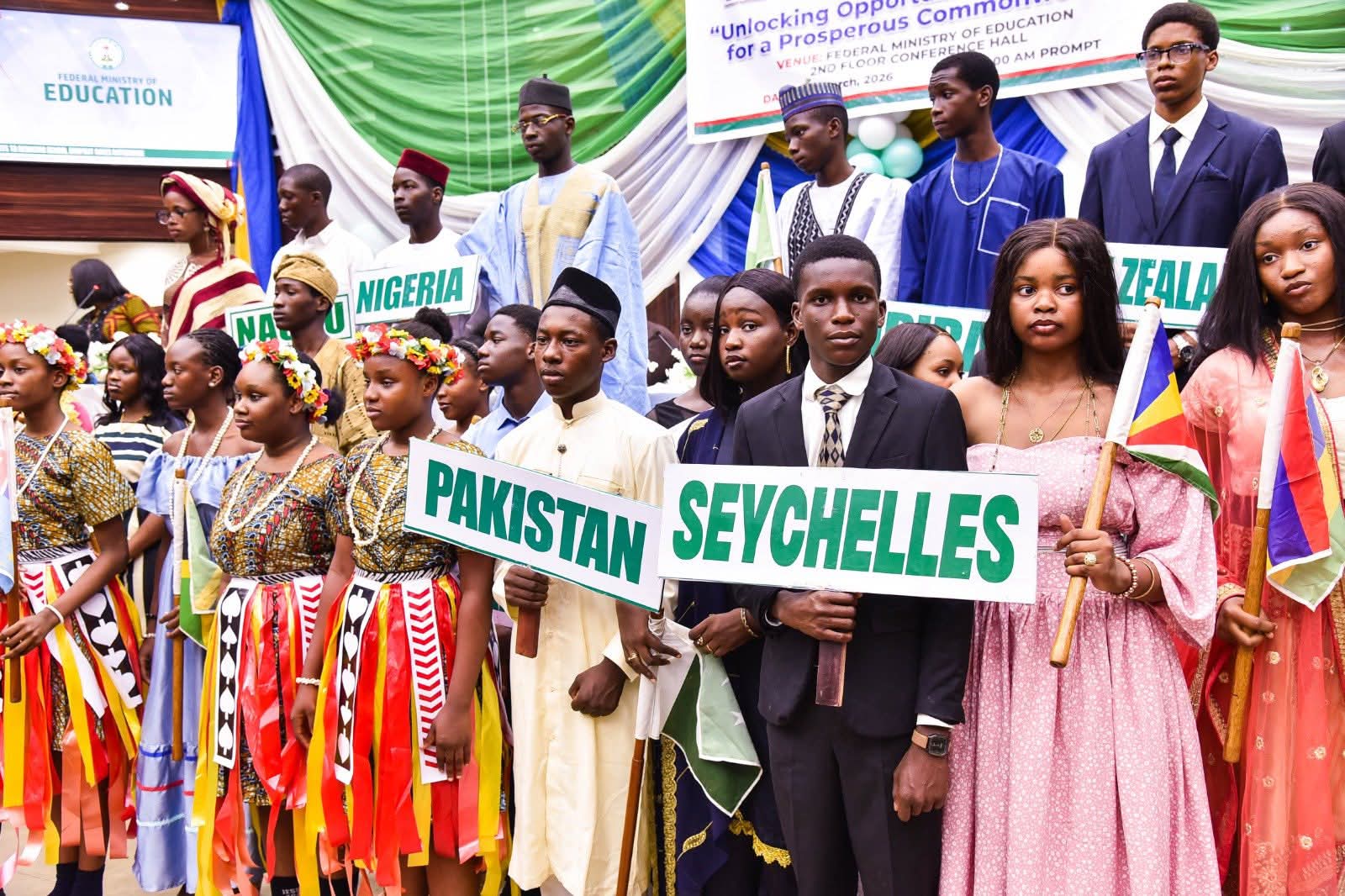
This commitment was reiterated during the celebration of Commonwealth Day 2026, held at the headquarters of the Federal Ministry of Education Nigeria in Abuja. The event brought together education stakeholders to discuss the role of learning in building a prosperous and sustainable future.

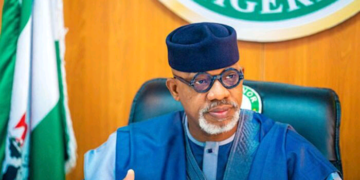
Nigeria’s Minister of Education, Maruf Tunji Alausa, said the 2026 theme, “Unlocking Opportunities Together for a Prosperous Commonwealth,” aligns with the policy direction of President Bola Ahmed Tinubu under the Renewed Hope Agenda.

According to the minister, the administration is prioritizing education reform, innovation, human capital development, and inclusive economic growth as key pillars for national progress.


Alausa also emphasized the government’s growing investment in Technical and Vocational Education and Training (TVET), describing it as a critical tool for national development and workforce preparation. He revealed that approximately 250,000 Nigerians are currently enrolled in technical colleges, skills centres, and accredited vocational institutions across the country, where they are gaining practical, industry-relevant skills.
Meanwhile, the Permanent Secretary of the ministry, Abel Enitan, described education as one of the most powerful instruments for unlocking opportunities, reducing inequality, and driving national development.
He added that Nigeria will continue to strengthen partnerships within the Commonwealth to enhance learning systems, expand research collaboration, and promote youth empowerment initiatives.













 EduTimes Africa, a product of Education Times Africa, is a magazine publication that aims to lend its support to close the yawning gap in Africa's educational development.