






















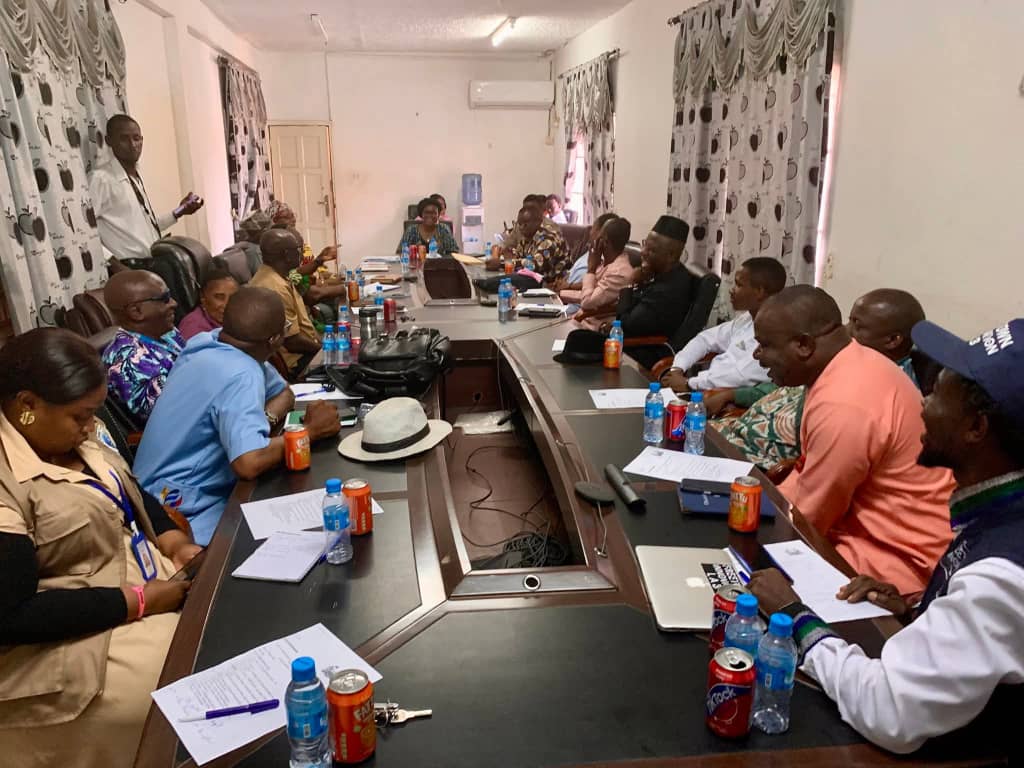


The Ministry of Technical and Higher Education (MTHE) has certified four graduates and four institutions following the successful completion of a six-month industry immersion programme under the ECOWAS Nnamdi Azikiwe Academic Mobility Scheme (ENAMS).



The certified graduates are Fatmata Bintu Bangura, Eliakim Joe Brian Shaka, Janet Agnes Lisa and Emmanuel Sesay. The participating institutions include Freetown Innovation Hub, eWomen SL, Community Support for Agriculture and Livelihoods Venture in Sierra Leone, and the Centre of Excellence for Automotive Training.

The certification ceremony aims to bridge the gap between academic training and industry demands.
Minister of Technical and Higher Education, Dr. Haja Ramatulai Wurie, described the programme as a significant milestone in efforts to reform the country’s skills development landscape.

“This is about equipping young people with the skills they need to drive socio-economic development,” she said. “TVET plays a critical role in building the middle-level workforce that our country needs.”
She emphasized the Ministry’s commitment to aligning training with labour market demands and expanding collaboration with the private sector. According to the Minister, the pilot programme will serve as a foundation for scaling up similar initiatives to benefit more young people.
Dr. Wurie also highlighted ongoing reforms, including the development of a unified national qualifications framework and efforts to integrate both formal and informal skills training systems.
MTHE’s Permanent Secretary, Mohamed Sheick Kargbo, who chaired the programme, commended the graduates and partner institutions for their commitment to the programme, describing the certification as a clear indication of what can be achieved when training is closely aligned with industry needs. He noted that the immersion initiative reflects the Ministry’s broader efforts to strengthen practical skills development and improve graduate employability. He encouraged stakeholders to sustain the momentum by deepening collaboration and expanding opportunities for more young people to benefit from similar programmes.
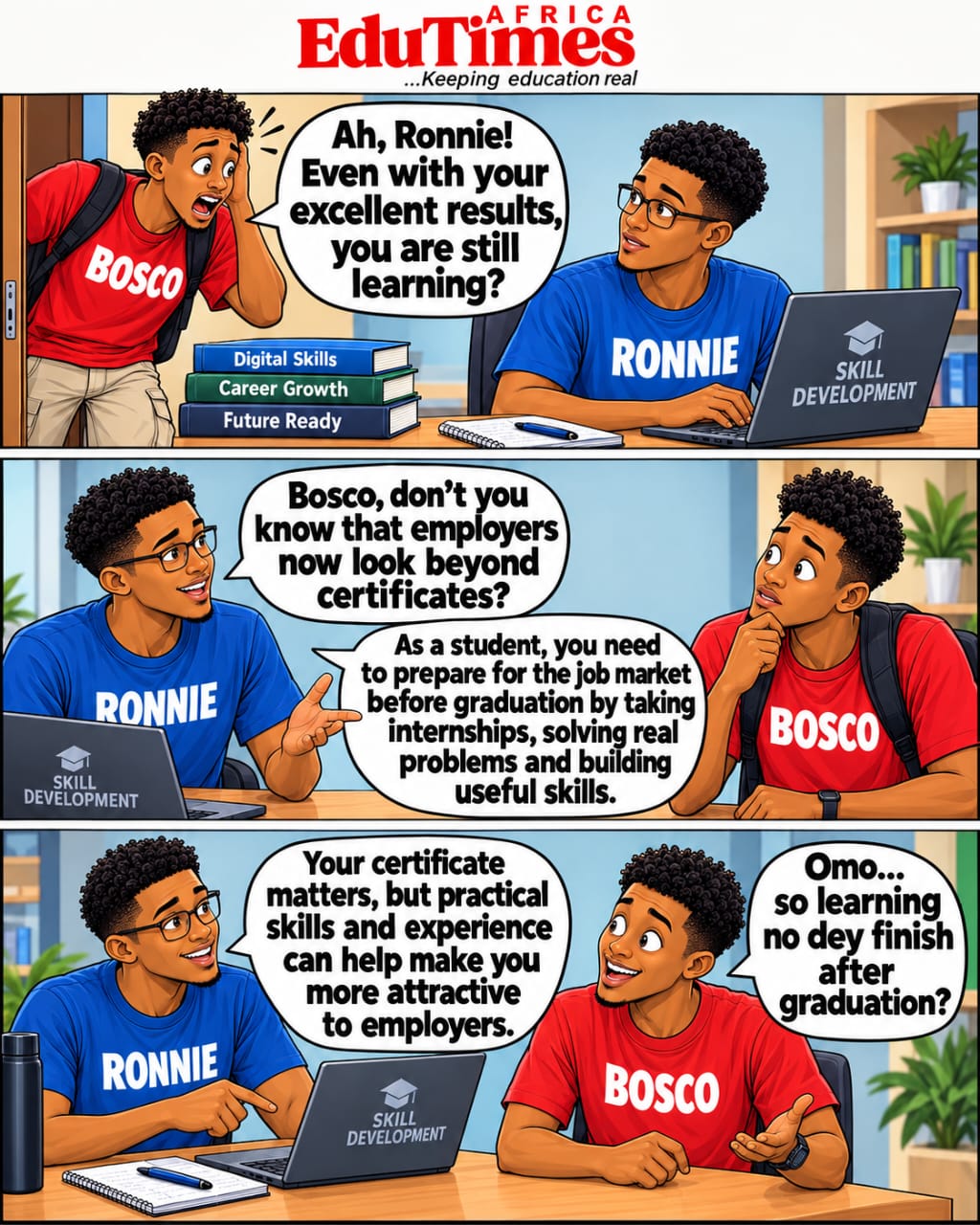
MTHE’s Chief Technical and Higher Education Officer, Dr. Josephus Brimah, said the programme reflects a shift in approach to technical and vocational education and training (TVET) in Sierra Leone.
“We are no longer training for industry, but with industry,” he said, emphasizing the importance of strengthening public-private partnerships to improve the relevance and quality of skills training.
Acting Deputy Chief Technical and Higher Education Officer, Sia Fasuluku, noted that the programme was designed in response to concerns across ECOWAS member states about graduates lacking practical, job-ready skills.

She said Sierra Leone identified key sectors for the pilot, including ICT, agriculture, waste management, and manufacturing and engineering. The four selected graduates were placed in institutions across the country, where they gained hands-on experience.
Fasuluku highlighted early successes, noting that some participants have already secured employment, while others are applying their skills in areas such as sustainable agriculture and community engagement.
Supporting the initiative, Deputy Commissioner of the National Youth Commission, Emerson Kamara, said perceptions around TVET are gradually changing, noting that demand-driven skills training is key to improving youth employability.
Director General of the Sierra Leone Local Content Agency, Fodeba Daboh, described the programme as aligned with national efforts to build a skilled local workforce and reduce reliance on foreign expertise.
“We want to ensure that Sierra Leoneans are equipped with the skills required to take up opportunities within our own economy,” he said.
Also speaking, ECOWAS Technical Adviser at the Ministry of Planning and Economic Development, Dr. Robert Moikowa, commended the government for effectively implementing a regional initiative, describing it as evidence that Sierra Leone is taking concrete steps to strengthen human capital development.
Meanwhile, education stakeholders called for greater inclusion and sustained reforms. Dr. Victor Massaquoi, Principal of the Civil Service Training College, said the programme goes beyond certification to building competencies, while emphasizing the value of micro-credentials.
Dr. Olive Musa, Director of Non-Formal Education at the Ministry of Basic and Senior Secondary Education, stressed the need to extend certification to non-formal learners and create pathways into technical training.
Dr. Samba Moriba, Principal of Freetown Polytechnic, highlighted the programme’s role in addressing gaps in practical and soft skills, while Osman Kabba, Director of the National Council for Technical and Vocational Education, reaffirmed efforts to improve accreditation and certification systems.
Delivering the vote of thanks on behalf of the participants, Fatmata Bintu Bangura expressed appreciation to the Ministry, ECOWAS and partner institutions for the opportunity.
She said the programme had provided valuable practical skills and improved their readiness for the job market.








 EduTimes Africa, a product of Education Times Africa, is a magazine publication that aims to lend its support to close the yawning gap in Africa's educational development.