


























The Federal Government has unveiled a new wave of reforms aimed at repositioning Nigeria’s education system to meet the demands of a rapidly evolving global economy.



The Minister of Education, Dr. Maruf Tunji Alausa, disclosed this at the Renewed Hope Conversations: University of Abuja Edition, where he engaged stakeholders on strategies to drive innovation, skills development, and youth empowerment.

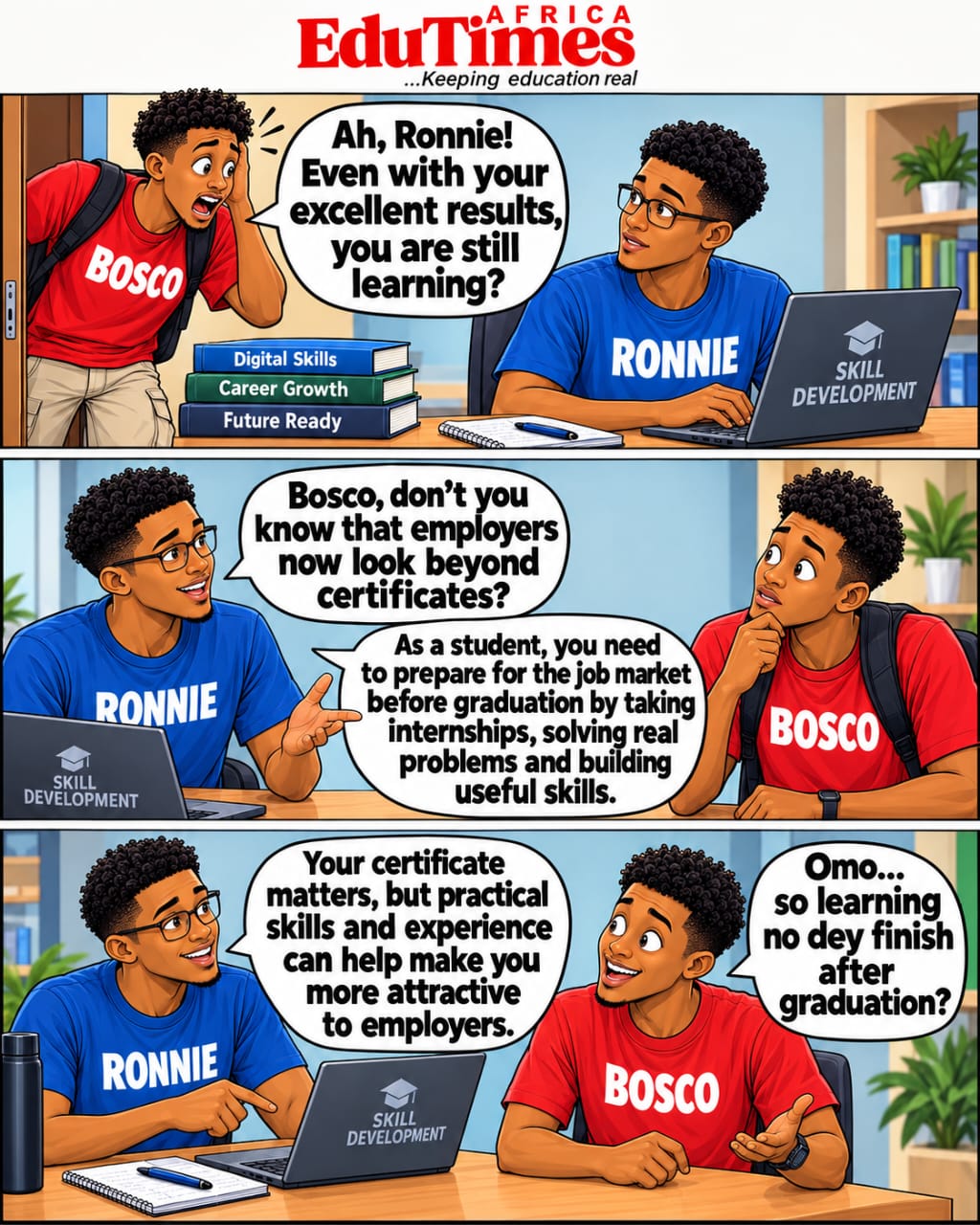
Alausa said the reforms are anchored on a shift from theoretical learning to a more practical, skills-based system powered by technology and innovation. He explained that key areas such as artificial intelligence, data science, and digital literacy are now being embedded into academic curricula across institutions.

He added that entrepreneurship education is being strengthened through initiatives like the Entrepreneurship in Basic and Intermediate Curriculum (EIBC), designed to equip students with the capacity to create jobs rather than rely solely on employment.

Highlighting improvements in infrastructure, the Minister noted that institutions are being supported with enhanced digital facilities, including mini-grid electricity, free internet connectivity, and modern learning management systems. These upgrades, he said, are backed by an ongoing nationwide fibre-optic expansion.
On vocational training, Alausa revealed that more than 160,000 Nigerians have already benefited from the government’s expanded Technical and Vocational Education and Training (TVET) programmes, with participation expected to grow further.
He also pointed to new financing initiatives such as the Student Venture Capital Grant, which supports student-led innovations, and a proposed National Research and Development Fund aimed at boosting research and its commercial application.
According to the Minister, the reforms align with the administration’s broader vision to prepare Nigerian youth for future opportunities in the digital and creative economy.
The dialogue attracted a cross-section of stakeholders, including policymakers, academics, and students, who stressed the importance of sustained collaboration in achieving meaningful and lasting transformation in the education sector.











 EduTimes Africa, a product of Education Times Africa, is a magazine publication that aims to lend its support to close the yawning gap in Africa's educational development.